Dealing with a clogged drain disrupts daily life. Water backs up in sinks. Showers drain slowly. Unpleasant odors fill the home. San Antonio homeowners face unique drainage challenges that make professional help necessary.
This page connects property owners with experienced local contractors. These professionals understand San Antonio’s specific plumbing issues. They respond quickly to emergencies.
Service is available around the clock. Contractors reach homes in Alamo Heights, Stone Oak, and surrounding areas. They bring specialized equipment and local expertise.
Emergency Drain Cleaning Available 24/7 in San Antonio

Drain emergencies happen without warning. A main sewer line backs up at midnight. A kitchen sink clogs during holiday dinner preparation. Tree roots break through pipes on Sunday morning.
Emergency response teams operate continuously. They answer calls day and night. Contractors arrive prepared with diagnostic equipment. They assess problems quickly.
Most emergency calls involve complete blockages. Water cannot drain at all. Multiple fixtures back up simultaneously. These situations require immediate attention.
Common Emergency Drain Situations
Severe Blockages
Complete stoppages prevent any water flow. Multiple drains back up at once. Raw sewage may enter the home. These require immediate professional response.
- Main sewer line clogs
- Multiple fixture backups
- Sewage overflow situations
- Storm drain connections blocked
Urgent Drainage Issues
Slower emergencies still need quick attention. Water drains very slowly from all fixtures. Gurgling sounds come from multiple drains. Bad odors spread through rooms.
- Whole-house slow drainage
- Persistent gurgling noises
- Recurring clogs in same location
- Foul sewer gas smells
What Emergency Service Includes
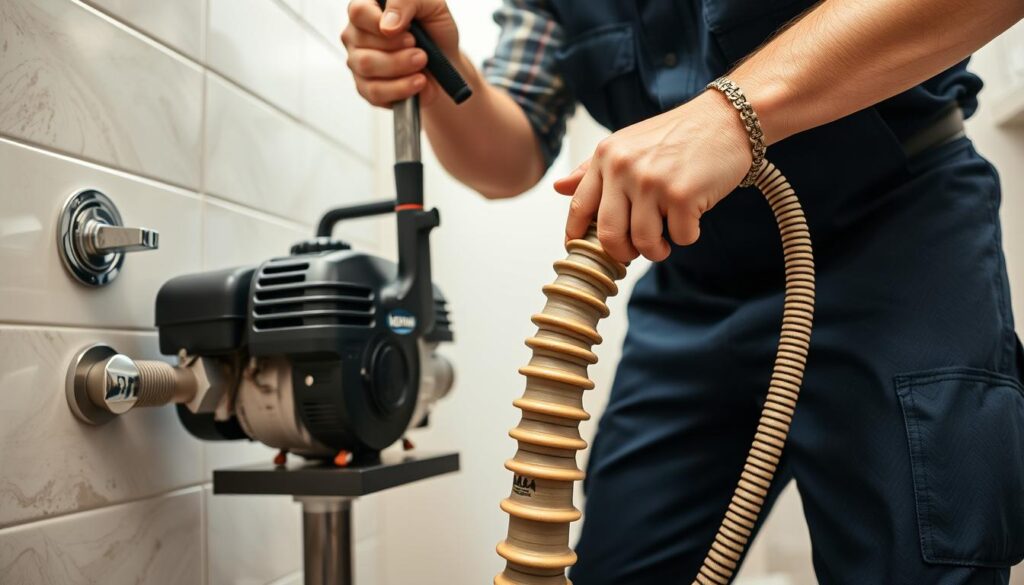
Emergency contractors bring complete diagnostic capabilities. They use camera inspection systems. These show exactly what blocks the line. The inspection reveals the location and cause of problems.
Service begins with assessment. Technicians determine the severity of blockage. They identify whether tree roots, debris, or pipe damage causes the issue. This information guides the repair approach.
Multiple clearing methods are available. Cable machines break through most clogs. Hydro jetting removes stubborn buildup. Each situation receives appropriate treatment based on the specific blockage type.
Response Time Matters: Emergency drain cleaning prevents water damage to homes. Quick response protects floors, walls, and belongings from contamination. San Antonio contractors understand local urgency and respond fast.
Need Emergency Drain Cleaning Right Now?
Local San Antonio contractors respond 24/7 to drain emergencies. They bring professional equipment and solve problems fast.
Clogged Drain Problems San Antonio Homeowners Face
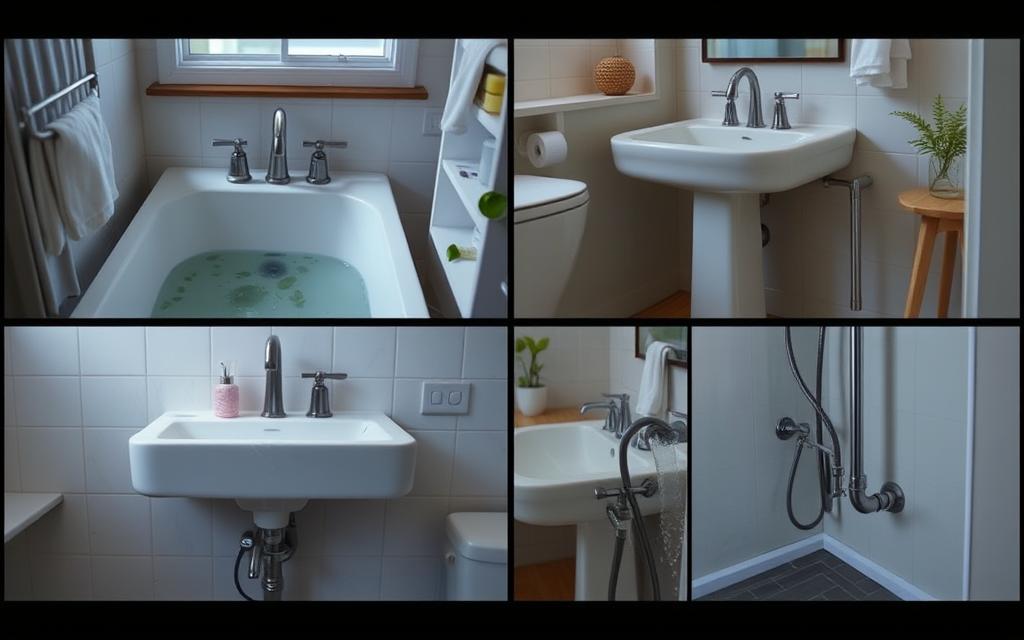
San Antonio properties experience distinct drainage patterns. Local conditions create specific problems. Understanding these issues helps homeowners recognize when professional help becomes necessary.
Kitchen drains clog frequently. Grease accumulates in pipes over time. Food particles combine with mineral deposits. The buildup gradually restricts water flow through the system.
Bathroom drains develop different problems. Hair combines with soap residue. This creates dense clogs near the drain opening. Toothpaste and other products add to accumulation.
Kitchen Drain Issues
Kitchen plumbing handles substantial debris. Cooking oils solidify inside pipes. Coffee grounds accumulate despite appearing harmless. Small food particles stick to existing buildup.
- Grease coating pipe walls reduces diameter
- Food disposal connections trap debris
- Hard water minerals bond with organic matter
- P-trap locations collect sediment over time
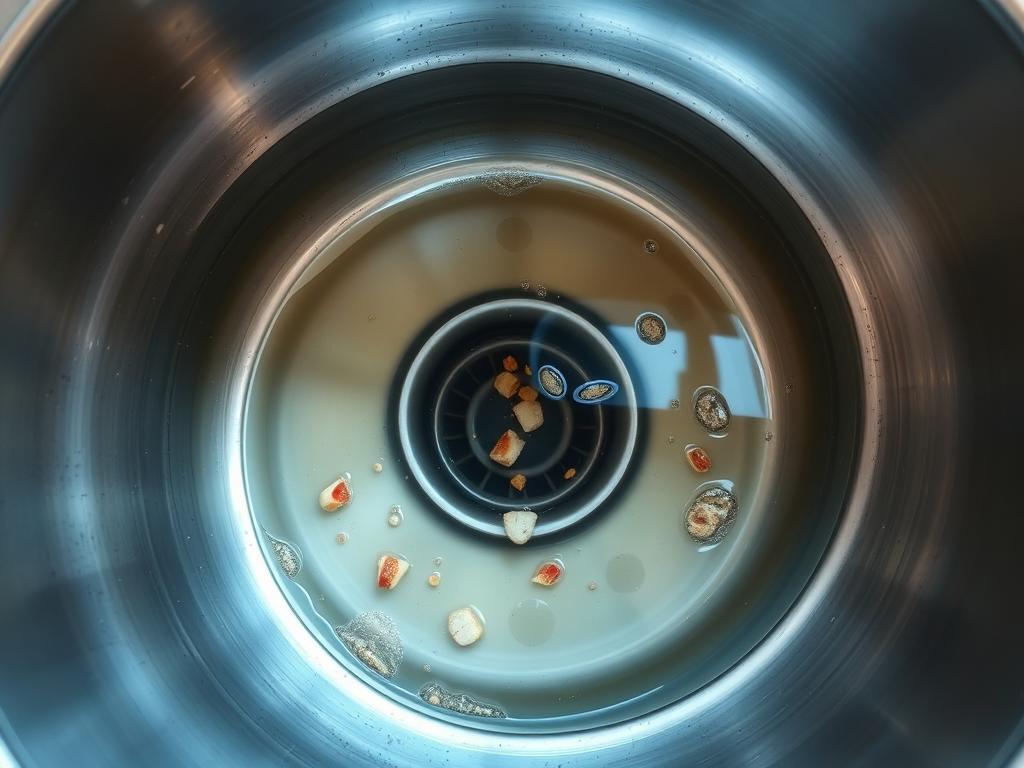
Bathroom Drainage Concerns
Bathroom fixtures develop clogs in predictable patterns. Shower drains catch hair daily. This hair binds with soap and shampoo residue. The combination creates firm blockages.
Toilet clogs often result from excessive paper products. Some homeowners flush inappropriate items. Older toilets with lower water pressure struggle with modern usage patterns.
Shower and Tub Clogs
- Hair accumulation in drain traps
- Soap scum coating pipe interiors
- Shampoo residue binding materials
- Body oil contributing to buildup
Toilet Drainage Problems
- Paper product overuse
- Flushing inappropriate items
- Low-flow toilet limitations
- Partial blockages in drain line
Main Sewer Line Blockages
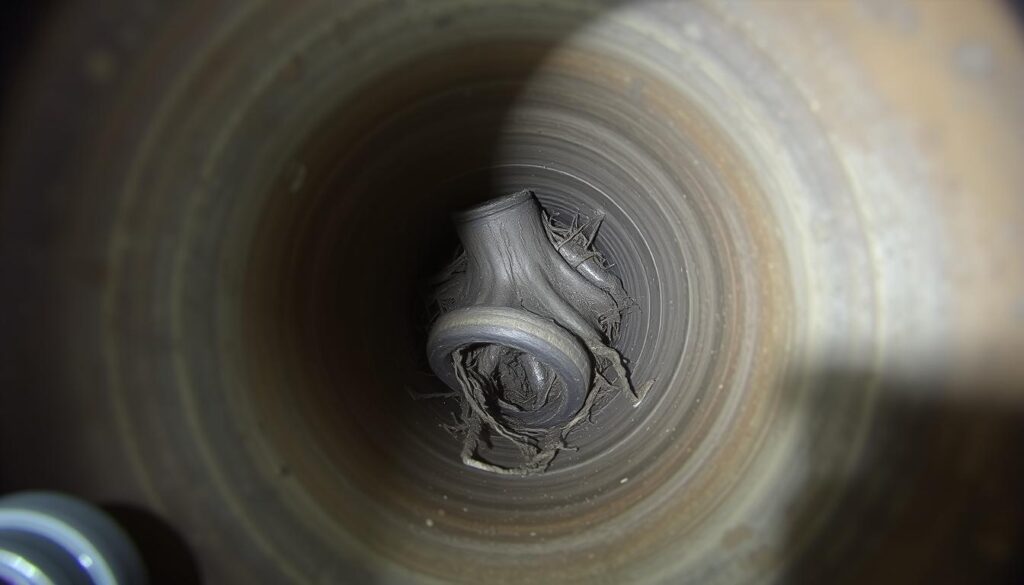
The main sewer line carries waste from all fixtures. When this line clogs, entire plumbing systems fail. Multiple drains back up simultaneously. This indicates a serious blockage downstream.
Tree roots invade sewer lines seeking moisture. They penetrate through pipe joints and cracks. Root growth inside pipes creates severe blockages. These require professional equipment to remove.
Older neighborhoods near downtown face additional challenges. Many properties have aging galvanized steel pipes. These corrode over decades of use. Interior corrosion narrows the pipe diameter. Rust and mineral buildup restrict flow capacity.
Warning Signs of Main Line Problems: When toilets gurgle during sink drainage, the main line may be blocked. Water backing up into basement floor drains signals main sewer issues. Multiple slow drains throughout the house indicate downstream problems.
Laundry and Utility Drain Clogs
Laundry drains handle large water volumes. Washing machines discharge rapidly. Lint from clothes accumulates in pipes. Detergent residue coats drainage lines over time.
Utility sinks collect various debris. Homeowners rinse paint brushes and tools. Dirt from gardening activities enters drains. These materials create unique clog compositions that resist simple clearing methods.
Texas Black Clay Soil Effects on San Antonio Drain Pipes
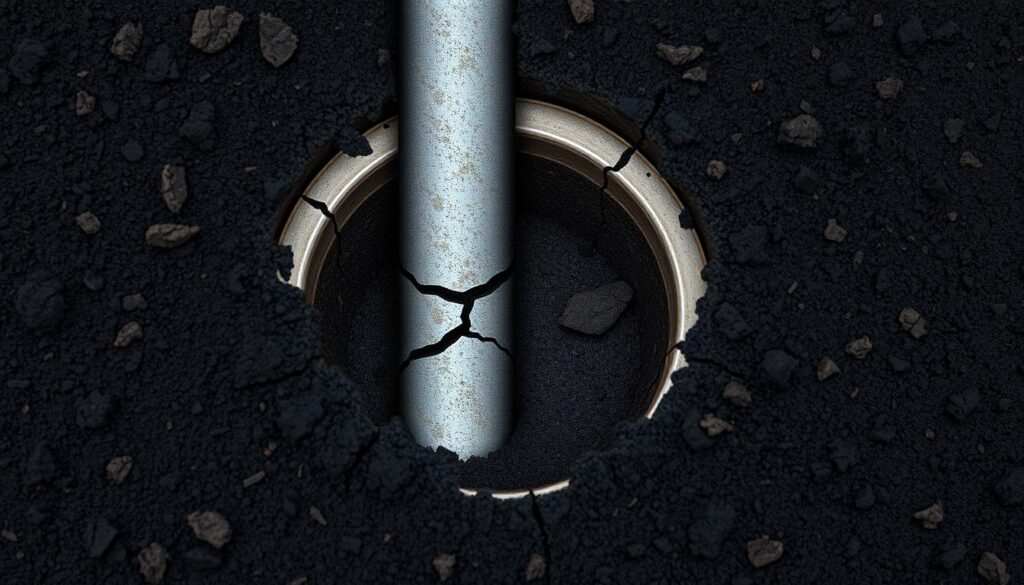
San Antonio sits on expansive clay soil. This soil type creates unique challenges for underground plumbing. The black clay expands when wet. It shrinks dramatically during dry periods.
These volume changes exert tremendous pressure on buried pipes. Drain lines shift position with soil movement. Joints separate as ground moves. Cracks develop in rigid pipe materials.
The cycle repeats with seasons. Spring rains saturate the ground. Soil swells and pushes against pipes. Summer drought follows quickly. Clay contracts and leaves pipes unsupported. This constant movement damages drain systems over years.
How Soil Expansion Damages Drains
Clay soil can swell up to thirty percent of its dry volume. This expansion creates tremendous upward pressure. Drain pipes installed at consistent depth experience lifting forces. The soil literally pushes pipes upward.
Joints between pipe sections become stress points. Modern PVC pipes connect with rubber gaskets. Soil movement pulls these connections apart. Older clay pipe joints separate completely under pressure.
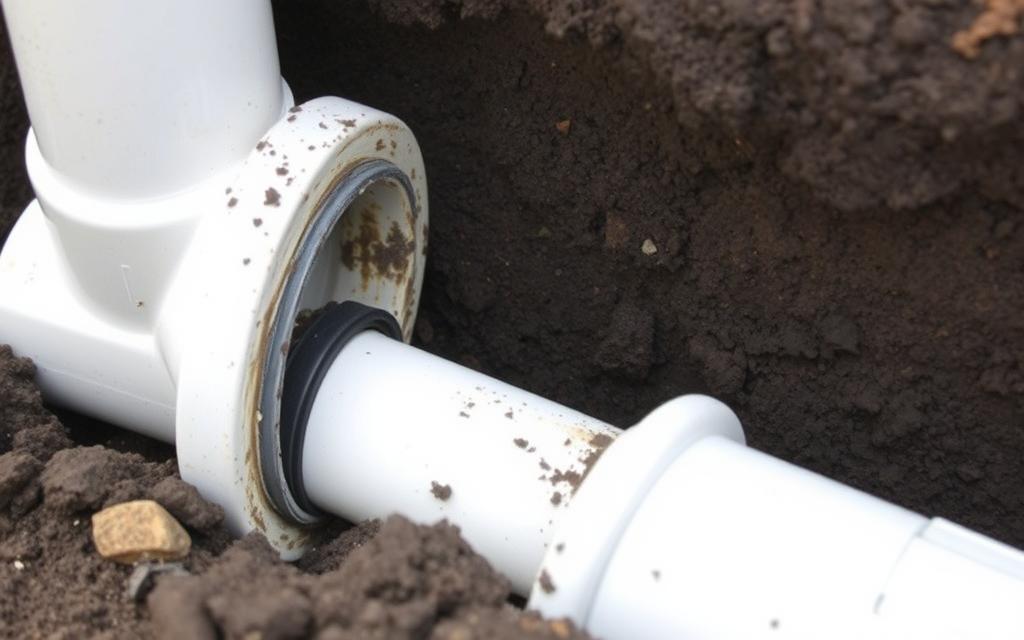
- Upward soil pressure lifts pipe sections unevenly
- Lateral movement shifts entire pipe runs off alignment
- Differential settlement creates low spots that trap debris
- Repeated cycles weaken pipe materials over time
Soil Contraction Creates Different Problems
Summer heat dries clay soil rapidly. Temperatures exceed one hundred degrees for weeks. The clay shrinks and pulls away from pipes. This leaves underground plumbing suspended without proper support.
Unsupported pipes develop sags between support points. These low spots collect water and debris. Drain flow slows in affected areas. Sediment settles in these locations and begins forming clogs.
Soil contraction also opens gaps around pipes. These voids allow easier tree root intrusion. Roots follow moisture and enter through any opening. The seasonal gaps provide perfect entry points for aggressive root systems.
Spring and Summer Effects
Wet season expansion pushes pipes upward. Joints separate under pressure. New cracks form in brittle materials. Existing damage worsens with each cycle.
Fall and Winter Effects
Dry season contraction creates voids. Pipes lose support and sag. Low spots collect debris. Tree roots find entry points more easily.
Neighborhoods Most Affected by Clay Soil

Older neighborhoods face the most severe soil-related damage. Downtown San Antonio properties have aging drain systems. These pipes were installed decades ago in clay soil. Years of expansion and contraction have taken their toll.
Alamo Heights homes sit on similar soil conditions. Many properties feature mature trees with extensive root systems. The combination of soil movement and root intrusion creates frequent drainage problems. Property owners in this area need regular drain inspection.
Terrell Hills and Castle Hills share these challenges. Properties in these established neighborhoods have original plumbing from the 1950s and 1960s. Galvanized steel pipes corrode from inside while soil movement damages them from outside.
Even newer developments face soil issues. Stone Oak and Helotes continue expanding with new construction. Builders install modern materials, but clay soil still exerts pressure. New drain systems experience accelerated aging compared to installations in stable soil regions.
Signs Your Drains Suffer from Soil Movement
Seasonal drainage changes indicate soil-related damage. Drains work fine in winter but slow during spring. This pattern suggests soil expansion affects pipe alignment. The problem often worsens gradually over several years.
Multiple fixtures developing problems simultaneously points to main line issues. When kitchen, bathroom, and laundry drains all slow together, the main sewer line likely shifted. Soil movement damages this critical line that serves all fixtures.
- Drainage performance changes with seasons
- Multiple fixtures slow down at the same time
- Recurring clogs in the same general area
- Gurgling sounds from drains during dry weather
- Wet spots appearing in the yard along drain paths
Clay Soil Reality: San Antonio’s black clay soil will continue moving forever. Professional drain cleaning contractors understand this local condition. They use camera inspection to identify soil damage. Modern repair methods account for ongoing soil movement.
Soil Damage Affecting Your Drains?
Local contractors understand San Antonio clay soil problems. They diagnose soil-related damage and provide lasting solutions for shifting drain lines.
Summer Heat Damage to PVC Drain Pipes in San Antonio
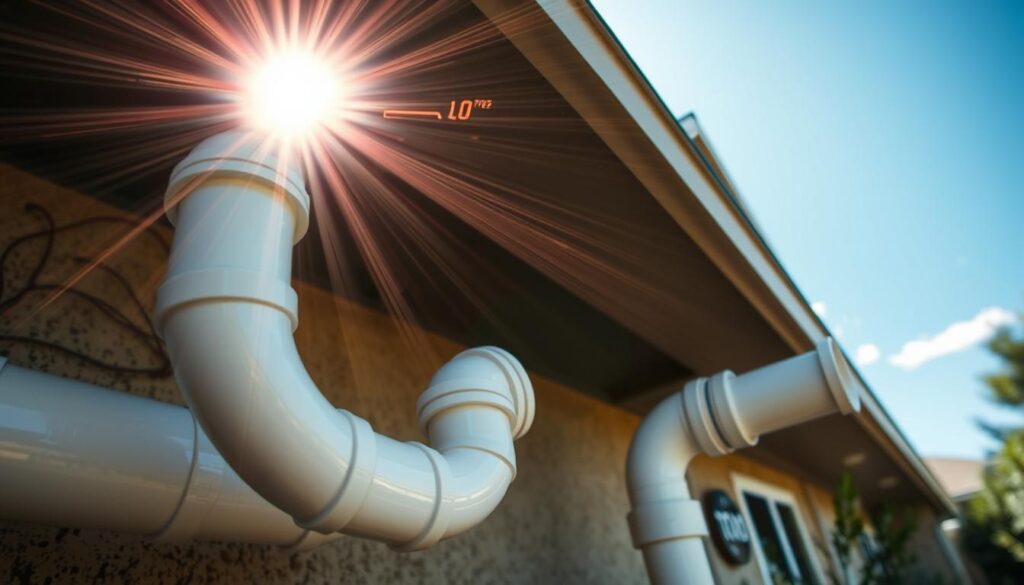
San Antonio summers reach extreme temperatures. The thermometer climbs above one hundred degrees regularly. This intense heat affects outdoor plumbing. PVC drain pipes expand significantly in high temperatures.
Plastic pipe materials react to temperature changes. Heat causes PVC to expand. The expansion is not uniform throughout the system. Pipes exposed to direct sunlight heat more than buried sections. This differential expansion stresses pipe connections.
Night temperatures cool the city somewhat. PVC contracts as air temperature drops. This daily expansion and contraction cycle continues for months. The repeated stress eventually damages pipe joints and connections.
How Heat Affects PVC Pipe Joints
PVC drain pipes connect through several methods. Solvent-welded joints create permanent bonds. Rubber gasket connections allow some movement. Both types face challenges in extreme heat.
Solvent-welded joints become stress points. The joint material itself may be slightly different from the pipe body. Thermal expansion rates vary between these components. Over many heat cycles, microscopic cracks can develop at these junctions.
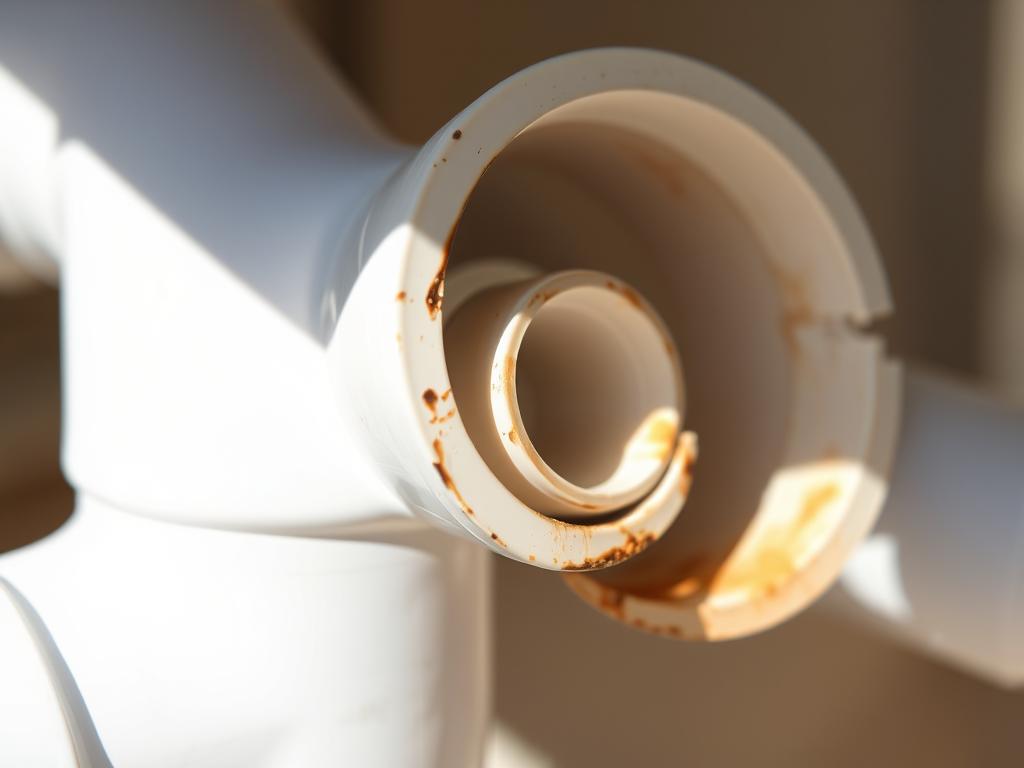
Rubber gasket connections face different problems. Heat makes rubber materials less flexible over time. The gasket hardens and loses its sealing ability. Small gaps develop that allow leaks. These gaps also permit tree roots to enter the drain line.
Outdoor vs Underground Temperature Effects
Above-ground PVC experiences the most severe temperature changes. Vent pipes extend through roofs. These sections heat rapidly in direct sunlight. Surface temperatures on white PVC can exceed one hundred forty degrees.
Cleanout access points also face extreme conditions. Many cleanouts install near home exteriors. The exposed caps and fittings heat intensely. Thermal stress concentrates at these locations.
Exposed Pipe Sections
- Roof vent pipes in direct sun
- Exterior wall-mounted drain lines
- Cleanout access fittings
- Above-ground utility connections
Buried Pipe Sections
- Shallow buried lines heat from ground temperature
- Connections near foundation walls warm significantly
- Transition points between buried and exposed sections
- Lines under concrete absorb and retain heat
Long-Term Heat Exposure Consequences
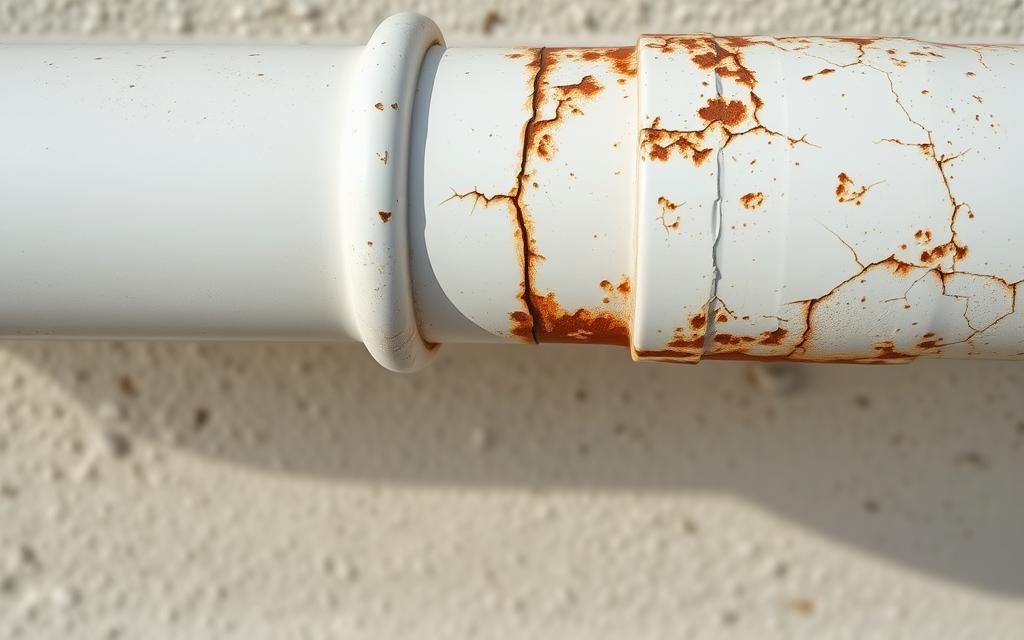
Years of summer heat gradually weaken PVC materials. The plastic becomes more brittle over time. Impact resistance decreases with age and heat exposure. Pipes that once flexed slightly under pressure become rigid and crack-prone.
UV radiation compounds heat damage for exposed pipes. Sunlight breaks down PVC surface molecules. The pipe exterior becomes chalky and discolored. This degradation weakens the material structure. Cracks form more easily in UV-damaged sections.
Professional plumbers recognize these patterns in San Antonio homes. They find predictable failure points based on pipe age and exposure. Drain systems installed in the 1980s and 1990s show significant heat-related wear. Many of these systems need partial or complete replacement.
Preventing Heat Damage to Drain Systems
New installations can incorporate heat-resistant strategies. Insulating sleeves protect exposed pipe sections. Painting PVC with light-colored latex paint reduces surface temperature. Strategic shade planting helps, though trees themselves create root intrusion risks.
Regular inspection identifies developing problems early. Camera inspection reveals internal stress cracks before complete failure. Small repairs prevent major system failures. Professional contractors recommend inspection every three to five years for homes with extensive PVC drainage.
Temperature Warning: When summer temperatures exceed ninety-five degrees for extended periods, PVC drain systems experience maximum stress. This is when joint failures most commonly occur. Listen for unusual gurgling sounds that may indicate air entering through heat-damaged seals.
Stone Oak and Helotes Development Concerns
Newer neighborhoods face accelerated aging of drain systems. Stone Oak developments from the 2000s use PVC throughout. These systems have experienced fifteen to twenty years of extreme summer heat already. Some show premature wear compared to expected lifespans.
Helotes area growth continues rapidly. New construction uses modern PVC formulations. However, the Texas heat still affects these materials. Builders focus on faster installation rather than heat mitigation. This may create problems years down the road.
Property owners in these areas should monitor drain performance. Seasonal issues that appear in late summer suggest heat-related damage. Professional inspection identifies problems before major failures occur during peak usage times.
Hard Water Calcium Buildup in San Antonio Drain Systems
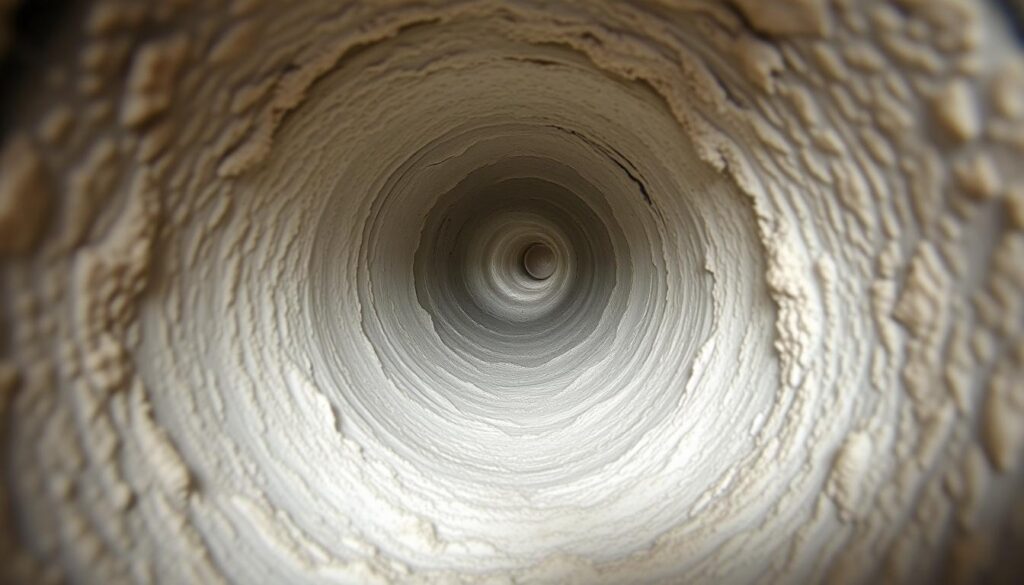
San Antonio has exceptionally hard water. The local water supply contains high mineral concentrations. Calcium and magnesium dissolve from underground limestone formations. These minerals remain in water through the treatment process.
Hard water affects drain systems differently than supply lines. The minerals precipitate out of solution as water evaporates. This leaves behind calcium deposits. Over years, these deposits accumulate inside drain pipes.
The buildup process accelerates in San Antonio compared to most cities. Local water hardness measures significantly higher than national averages. Some areas exceed four hundred parts per million. This extreme hardness creates faster mineral accumulation in plumbing systems.
How Calcium Deposits Form in Drains
Drain water sits in pipes between uses. Kitchen sink drains hold water in P-traps constantly. This standing water evaporates slowly. As water molecules leave, dissolved minerals stay behind. Calcium carbonate crystals form on pipe surfaces.
The crystals start as thin films. Each usage cycle adds another microscopic layer. Years of daily use create substantial buildup. The deposits grow thickest at certain locations within the drain system.
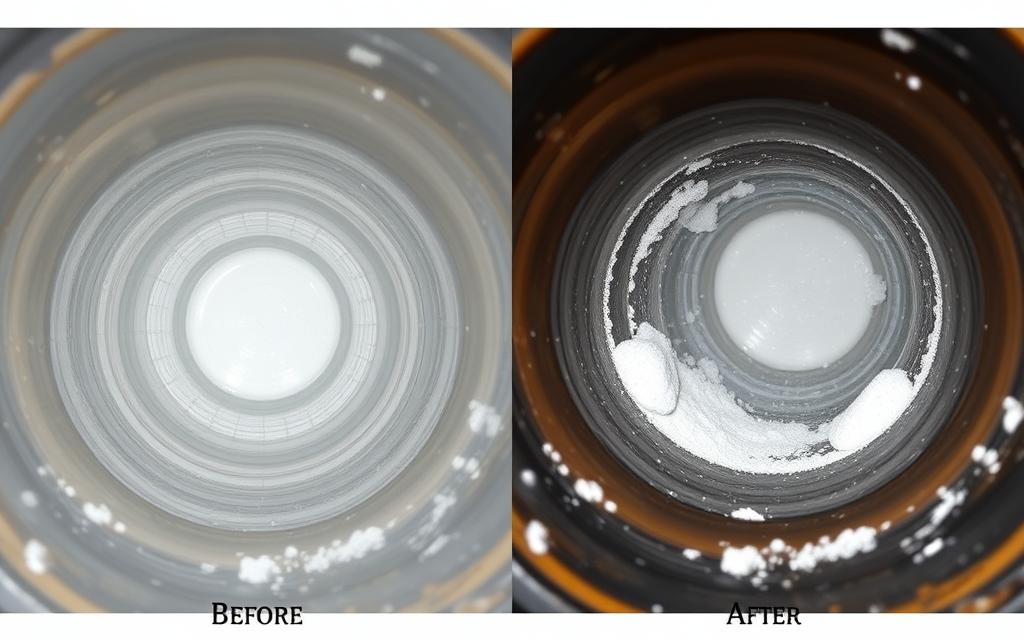
P-traps collect the most mineral buildup. These curved sections remain filled with water always. The water level changes with each use. Evaporation occurs at the air-water interface. Calcium rings form at typical water levels. Multiple rings overlap and thicken over time.
Areas Most Affected by Mineral Buildup
Kitchen drains develop heavy calcium deposits quickly. Hot water accelerates mineral precipitation. Dishwashers discharge very hot water regularly. This heated water enters drains carrying maximum dissolved minerals. The rapid temperature drop in drain pipes causes instant crystallization.
Bathroom fixtures also accumulate significant buildup. Shower drains receive hot water daily. Soap and shampoo residue mix with calcium deposits. This combination creates especially stubborn clogs. The buildup resists simple cable cleaning methods.
- Kitchen sink drains from hot dish water
- Dishwasher discharge lines and connections
- Shower and bathtub drain assemblies
- Bathroom sink overflow drain passages
- Floor drain P-traps in utility areas
Combined Effects with Other Debris

Calcium provides a rough surface inside pipes. Other debris catches on these mineral formations. Hair snags on calcium crystals in bathroom drains. Grease adheres to mineral deposits in kitchen lines. The combination creates clogs more stubborn than either material alone.
Soap scum bonds chemically with calcium. The resulting compound hardens like cement. This buildup proves extremely difficult to remove. Standard cable machines cannot break through thick soap-calcium combinations. Hydro jetting becomes necessary for effective cleaning.
Food particles and cooking oils stick to calcium-coated surfaces. Kitchen drain interiors become increasingly rough over years. Each rough patch catches more debris. The cycle accelerates clog formation throughout the system.
Recognizing Hard Water Drain Problems
Gradual drainage slowdown indicates mineral accumulation. The drain works fine initially. Over months and years, water sits longer before emptying. This progressive restriction suggests growing calcium deposits inside pipes.
Recurring clogs in the same location point to mineral buildup. Standard clearing methods provide temporary relief only. The clog returns within weeks or months. This pattern means deposits remain on pipe walls and continue catching debris.
Early Warning Signs
- Gradually slower drainage over months
- White residue around drain openings
- Mineral stains on fixtures
- Crusty buildup on sink stoppers
Advanced Buildup Symptoms
- Frequent clogs in same drain
- Multiple fixtures draining slowly
- Reduced water pressure at fixtures
- Gurgling sounds from mineral-restricted vents
Why San Antonio Buildup Exceeds Other Cities
Local geology creates San Antonio’s hard water problem. The Edwards Aquifer provides most municipal water. This underground water reservoir sits in limestone formations. Water percolates through limestone for years before pumping. It dissolves massive amounts of calcium during this contact time.
Water treatment plants cannot economically remove all minerals. Softening enough water for the entire city would be prohibitively expensive. Some reduction occurs, but water remains very hard by any standard. Homeowners must deal with the consequences in their plumbing systems.
Neighboring cities draw water from different sources. Their hardness levels are lower. Austin and Houston have softer water supplies. San Antonio homeowners face unique challenges that require specific solutions and more frequent drain maintenance.
Hard Water Reality: San Antonio’s water hardness will not change significantly. The geology determines mineral content. Professional drain cleaning San Antonio TX services understand this local factor. They use methods specifically effective against calcium buildup in drain lines.
Calcium Buildup Slowing Your Drains?
San Antonio’s hard water creates unique drainage challenges. Local contractors have specialized equipment to remove mineral deposits effectively.
Professional Drain Cleaning Methods Used in San Antonio
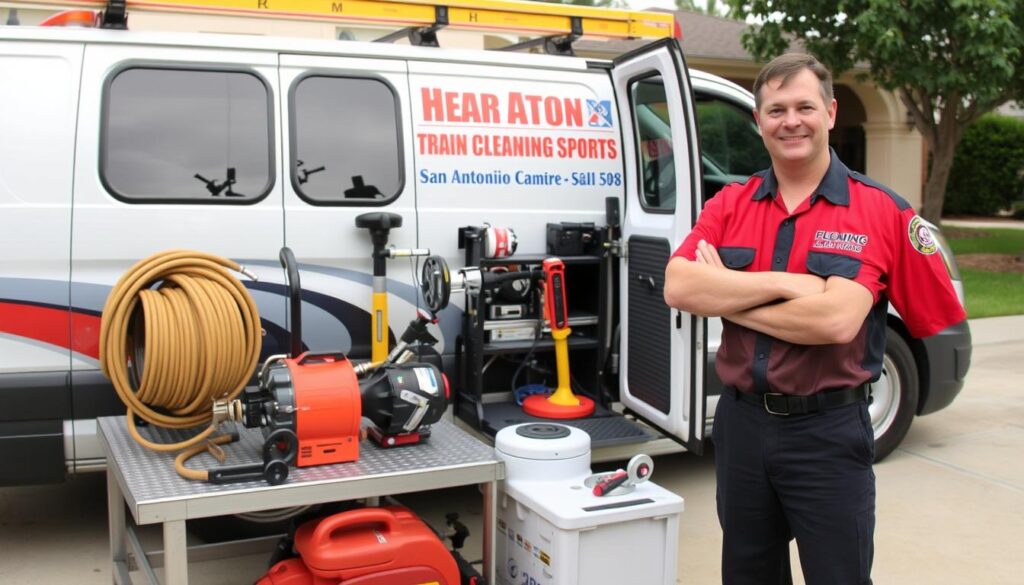
Professional contractors use multiple techniques to clear drain blockages. The method selection depends on clog type and location. Different problems require different solutions. Experienced plumbers assess conditions before choosing an approach.
Basic cable machines work for many common clogs. Hair and soap clogs yield to rotating cables. Kitchen grease buildups often clear with cable action. These machines provide cost-effective solutions for straightforward blockages.
Complex problems need advanced methods. Tree root intrusion requires cutting equipment. Severe mineral buildup demands high-pressure water jetting. Camera inspection identifies which method will work best for each specific situation.
Cable Machine Drain Cleaning
Cable machines send flexible steel cables through drain lines. The cable rotates at high speed. Different cutting heads attach to the cable end. These heads break through various blockage types.
Smaller cables work for branch drains. Kitchen and bathroom sink drains typically use quarter-inch or three-eighths-inch cables. These smaller diameters navigate the bends in P-traps and fixture drains.
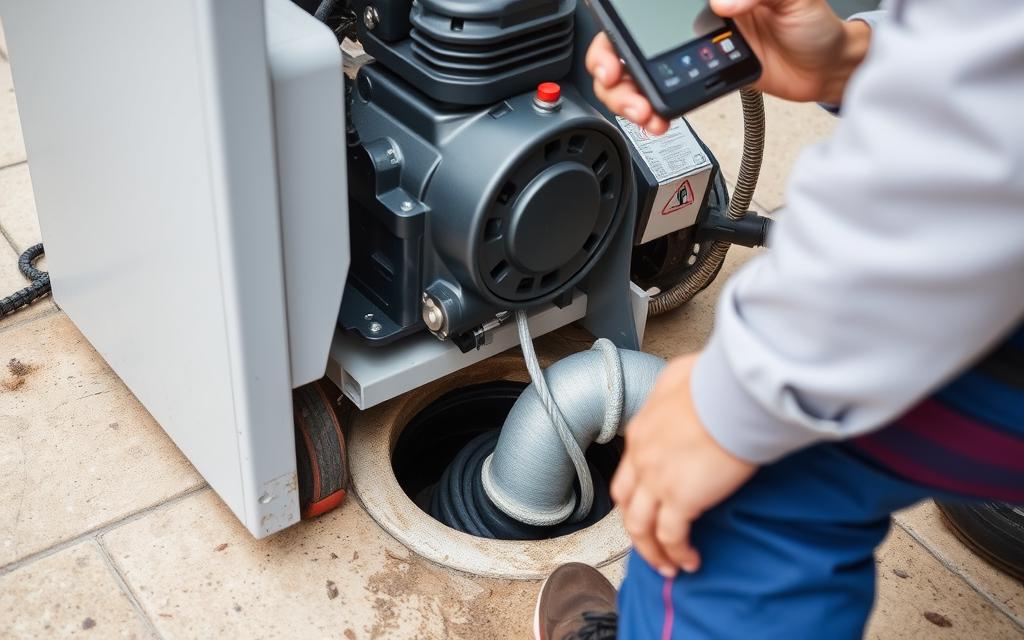
Larger cables clear main sewer lines. These lines need half-inch or three-quarter-inch cables. The heavy-duty construction powers through major blockages. Root-cutting heads mount on these larger cables to slice through tree root masses.
Hydro Jetting for Stubborn Clogs
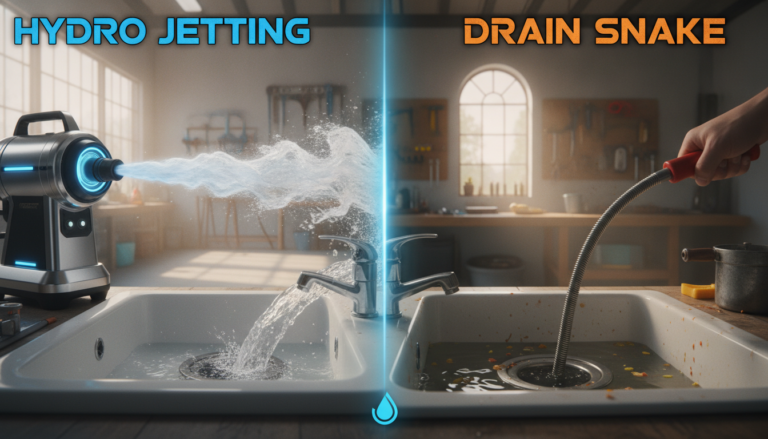
Hydro jetting uses high-pressure water to clean drains. The equipment pumps water at three thousand to four thousand pounds per square inch. This pressure cuts through almost any organic blockage. It also scours pipe walls clean of mineral deposits.
A special nozzle attaches to a high-pressure hose. The nozzle has rear-facing jets that pull the hose through the drain. Forward-facing jets cut through blockages ahead. Side jets clean the pipe walls as the nozzle travels.
Hydro jetting works exceptionally well for San Antonio conditions. It removes calcium deposits that cables cannot clear. The process clears grease buildup completely. Roots get cut away from pipe interiors. The drain emerges truly clean, not just open.
Jetting Advantages: Hydro jetting removes buildup from entire pipe circumference. Cable machines only bore a hole through clogs. Jetting provides longer-lasting results because pipes are genuinely clean. This method proves especially valuable for hard water mineral removal.
Video Camera Drain Inspection
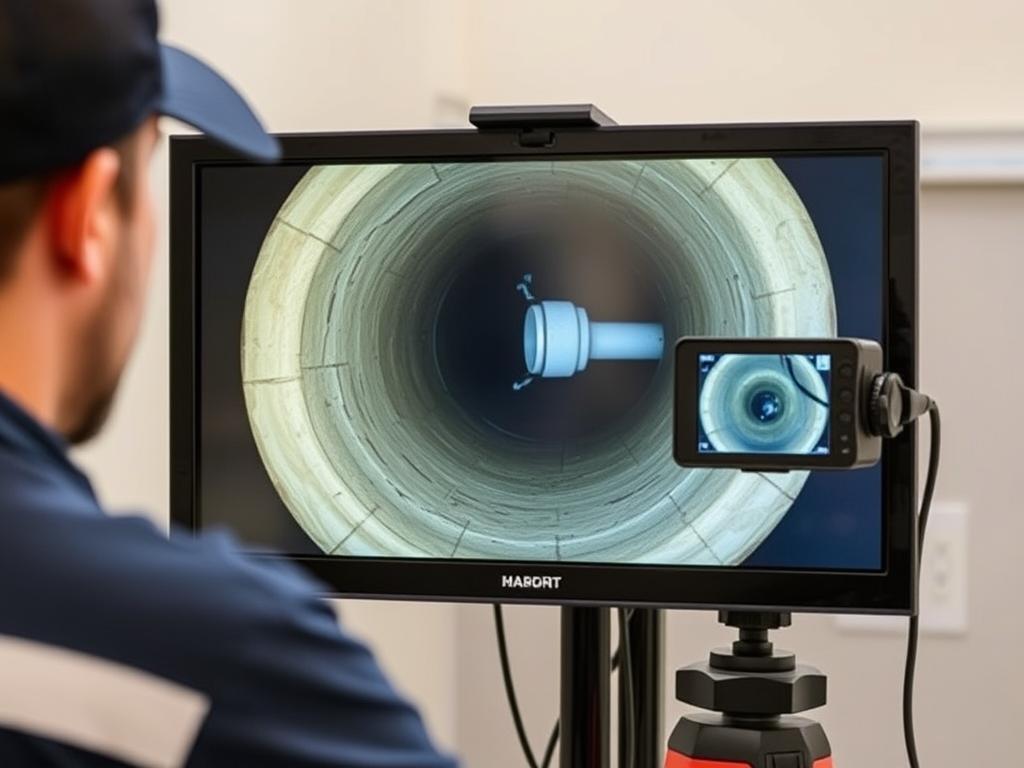
Camera inspection reveals exact drain conditions. A waterproof camera travels through the drain system. It sends live video to a monitor above ground. The technician sees everything inside the pipes.
This inspection identifies problems accurately. Tree root locations become visible. Pipe damage shows clearly on video. The inspection pinpoints where repairs are needed. This information prevents unnecessary digging and exploratory work.
Modern cameras include locating transmitters. These allow technicians to mark exact underground positions. When excavation becomes necessary, crews dig in precisely the right spots. This targeted approach saves time and money.
Root Cutting and Removal
Tree roots invade sewer lines throughout San Antonio. The city’s mature trees have extensive root systems. These roots seek water and nutrients. Sewer lines provide both in abundance.
Specialized cutting heads attach to cable machines for root removal. Blade configurations vary based on root severity. Some heads use sharp blades to slice roots. Others use chain-link cutters for heavy root masses. The rotating action cuts roots flush with pipe interiors.
Root cutting provides temporary to medium-term relief. Roots will eventually regrow into the same areas. Most property owners need root cutting every one to three years. The service maintains drain function without requiring immediate pipe replacement.
Mechanical Cleaning Methods
- Cable machines with various cutting heads
- Root saws for heavy root masses
- Scraping tools for mineral removal
- Augers for compacted debris
Advanced Cleaning Technology
- High-pressure hydro jetting systems
- Robotic pipe cutters for precision work
- Chemical root treatments for prevention
- Trenchless pipe rehabilitation methods
Chemical Drain Treatment
Professional-grade chemicals differ from store products. Contractors use stronger formulations for specific problems. These chemicals work where mechanical methods prove difficult.
Root-killing foams prevent regrowth after cutting. The foam coats roots and pipe interiors. It kills remaining root material and delays new growth. This treatment extends time between cable cleaning services.
Enzyme treatments digest organic buildup. These biological products break down grease and soap. They work slowly over several hours. Enzyme treatments work best for maintenance rather than emergency clearing.
Choosing the Right Method
Experienced contractors match methods to problems. Simple clogs need only basic cable work. Complex situations require multiple approaches. The initial assessment determines the most effective and economical solution.
Camera inspection usually comes first for major issues. Seeing the actual problem guides method selection. This diagnostic step prevents wasted effort on ineffective approaches. It also reveals whether repair or replacement is actually needed rather than cleaning.
Drain Cleaning Service Areas Throughout San Antonio
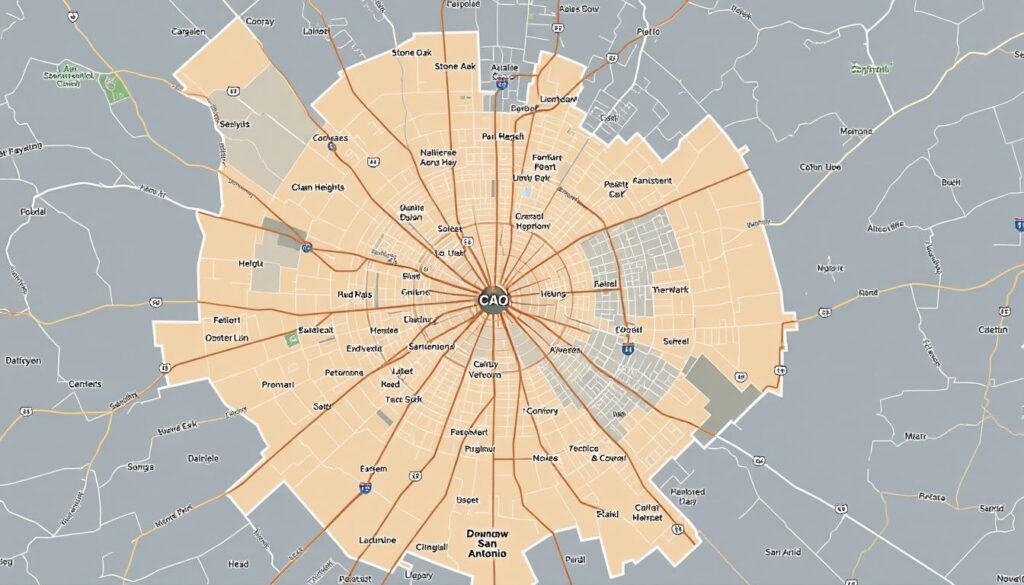
Professional drain cleaning contractors serve all San Antonio neighborhoods. Service availability extends throughout Bexar County. Technicians respond to calls from established neighborhoods and new developments alike.
Different areas face distinct drainage challenges. Older neighborhoods near downtown have aging infrastructure. New developments in outer areas have modern systems but different problems. Local contractors understand these regional differences.
Central San Antonio and Downtown Area
Downtown San Antonio properties have the oldest plumbing systems. Many buildings date from the 1950s or earlier. Original drain pipes remain in service after seventy years. These systems show their age in various ways.
Galvanized steel pipes dominate older downtown buildings. These metal pipes corrode from inside over decades. The interior surface roughens as rust develops. This rough surface catches debris easily. Clogs form faster in corroded pipes than in smooth modern materials.
ZIP code 78201 covers much of central downtown. Properties in this area need frequent drain maintenance. The combination of old pipes and mature tree roots creates ongoing challenges. Commercial buildings especially face high usage demands on aging systems.
Alamo Heights and Terrell Hills
Alamo Heights represents established San Antonio neighborhoods. Homes here feature mature landscaping and substantial trees. These older trees have root systems extending far underground. Sewer line intrusion is extremely common.
ZIP code 78209 includes most of Alamo Heights. Properties in this area typically have drain systems from the 1950s through 1980s. Many homeowners have replaced sections over the years. Others still operate with original pipes showing their age.
Terrell Hills faces similar challenges. The neighborhood developed during the same era as Alamo Heights. Property owners deal with comparable issues involving aging pipes and tree roots. Regular maintenance prevents major failures in these established areas.
Stone Oak and North San Antonio

Stone Oak represents newer San Antonio development. Most construction occurred from 1990 onward. Homes feature modern PVC drain systems throughout. However, rapid development created its own set of challenges.
ZIP code 78258 covers much of Stone Oak. The area continues growing with new subdivisions. Drain systems here handle heavy loads from the start. Multiple homes share main sewer lines in these developments. High usage patterns stress even new infrastructure.
Builders focused on speed during Stone Oak’s boom years. Some installations lack ideal workmanship. Drain systems may have improper slopes or inadequate cleanout access. These issues emerge as homes age past their warranty periods.
Helotes and West San Antonio
Helotes sits west of central San Antonio. The area features both established ranches and new subdivisions. This mix creates interesting drainage situations. Old properties have ancient septic systems. New developments connect to municipal sewer lines.
ZIP code 78023 covers the Helotes area. Property owners here deal with unique challenges. Rocky Hill Country soil conditions affect drain installation. Some properties sit on sloped lots where gravity drainage proves difficult.
New construction continues rapidly in Helotes. The area attracts families seeking suburban living. Drain systems in these new homes face immediate heavy use. Multiple children and active households stress plumbing from day one of occupancy.
Castle Hills and Leon Valley
Castle Hills developed as an affluent suburb in the 1950s. Homes feature substantial construction including robust plumbing. However, these systems now show their age after seventy years. Original galvanized drains need attention or replacement.
Leon Valley sits west of downtown along Bandera Road. The area includes both residential and commercial properties. Mixed usage creates varied drainage demands. Restaurants and shops produce different wastewater than residential homes.
Older Established Neighborhoods
- Downtown San Antonio (78201)
- Alamo Heights (78209)
- Terrell Hills (ZIP 78209)
- Castle Hills (ZIP 78213)
Newer Development Areas
- Stone Oak (78258)
- Helotes (78023)
- Shavano Park (78230, 78231)
- Far North San Antonio (78238)
Shavano Park and Medical Center Area

Shavano Park features upscale homes on larger lots. Many properties have extensive landscaping with mature trees. These beautiful established yards hide underground challenges. Root systems permeate the soil seeking water sources.
The Medical Center area includes ZIP codes 78230 and surrounding zones. Both residential and medical facilities operate here. Commercial properties generate different drain demands than homes. Hospitals and clinics require reliable drain function at all times.
Outer San Antonio and Growing Areas
San Antonio continues expanding outward. New ZIP codes emerge as development pushes further from downtown. These areas feature the newest construction and latest plumbing materials. However, rapid growth creates infrastructure stress.
ZIP code 78238 covers areas far north of downtown. Development here is very recent. Homes may be less than five years old. Despite this youth, drain problems still occur. Construction defects emerge. High usage from multiple family members stresses new systems.
Contractors serving these outer areas need different expertise. They troubleshoot modern systems rather than ancient pipes. Issues involve installation quality rather than age-related deterioration. Camera inspection reveals workmanship problems that need correction.
Signs You Need Professional Drain Cleaning Service
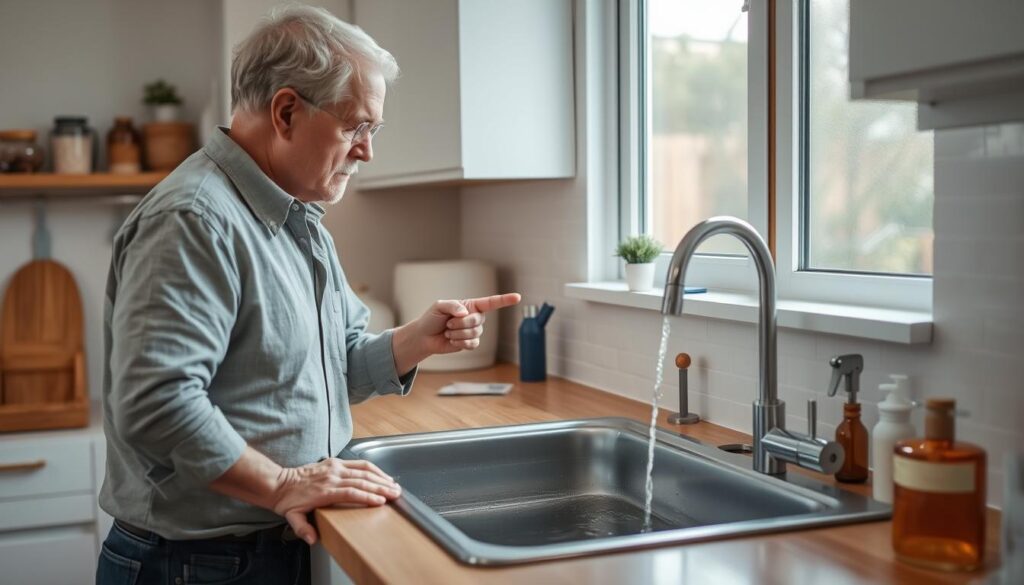
Recognizing drain problems early prevents major issues. Small clogs grow into complete blockages. Minor slowdowns indicate developing restrictions. Homeowners who act quickly avoid emergency situations and water damage.
Several warning signs indicate professional help is needed. These symptoms suggest problems beyond simple surface clogs. Ignoring these signs leads to more expensive repairs later.
Slow Drainage Throughout the House
Water draining slowly from multiple fixtures signals main line problems. The kitchen sink empties sluggishly. The bathroom tub takes minutes to drain. Toilets flush weakly with poor clearing action.
This pattern indicates blockage in the main sewer line. All household drains connect to this single pipe eventually. When it restricts, every fixture experiences problems. The issue worsens gradually as blockage increases.
- Multiple sinks draining slowly at the same time
- Bathtub water sitting for extended periods
- Toilets requiring multiple flushes to clear
- Washing machine backup into utility sink
Recurring Clogs in Same Location
A drain that clogs repeatedly needs professional attention. Store-bought drain cleaners provide temporary relief only. The problem returns within days or weeks. This pattern means the actual blockage remains in place.
Recurring clogs suggest several possible problems. Mineral buildup coats pipe walls and continues catching debris. Tree roots invade through cracks and regrow quickly. Pipe damage creates rough spots that snag passing materials. Professional inspection identifies the underlying cause.

Gurgling Sounds from Drains
Unusual noises indicate air movement in drain lines. Gurgling sounds come from drains when fixtures elsewhere discharge. The kitchen sink gurgles when the washing machine empties. The toilet bubbles when the shower runs.
These sounds mean the drain system cannot move air properly. Blockages restrict airflow through vent pipes. Air pushes back through drain traps instead. This symptom often precedes complete blockage by days or weeks.
Foul Odors from Drains
Sewer gas smells indicate serious problems. Properly functioning drain systems prevent these odors. P-traps hold water that seals gases underground. When sewer smells enter living spaces, something has failed.
Dry P-traps cause some odor problems. Infrequently used drains lose their water seals through evaporation. This happens with guest bathroom sinks and basement floor drains. Running water refills these traps and solves the issue.
Persistent sewer odors despite trap refilling suggest bigger problems. Cracked pipes allow gases to escape. Blocked vent systems force gases through drain traps. Main sewer line backups push odors throughout the house. These situations need immediate professional diagnosis.
Odor Warning: Sewer gas contains harmful components including methane and hydrogen sulfide. Strong sewer smells pose health risks beyond mere unpleasantness. Professional inspection and repair protect household safety as well as comfort.
Water Backup into Other Fixtures
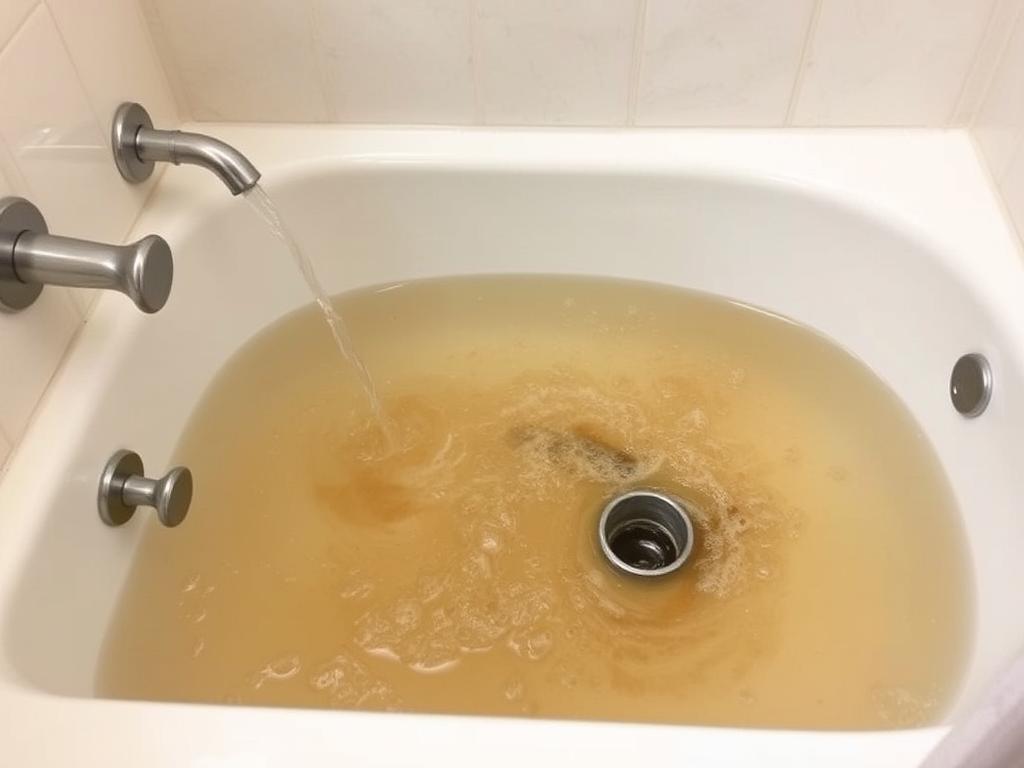
Water appearing in unexpected locations signals severe blockage. The bathtub fills when the toilet flushes. The washing machine discharges into the kitchen sink. These crossovers indicate main line problems.
Backup patterns reveal blockage locations. Water takes the path of least resistance. It backs up into the lowest or closest fixtures first. Floor drains and bathtubs typically show backup before sinks because they sit lower.
This symptom demands immediate professional response. Main sewer line blockages worsen rapidly. Complete backup can flood homes with wastewater. Emergency service prevents this health hazard and expensive damage.
Multiple Clogged Fixtures Simultaneously
When several drains clog at once, think main line problem. The kitchen, bathroom, and laundry drains all slow together. This simultaneous failure points to a single shared blockage downstream from all fixtures.
Branch line clogs affect only connected fixtures. A bathroom drain clog impacts only that bathroom. Kitchen clogs stay in the kitchen. Main line clogs affect everything in the house. The scope of the problem reveals its location.
Visible Water Damage or Leaks
Water stains on ceilings or walls indicate serious issues. Drain pipes may be cracking or separating. Slow leaks occur over time before becoming visible. Once water damage appears, the problem has existed for weeks or months.
Basement water accumulation can come from drain line leaks. Cracks in underground pipes allow water to escape. This water seeps into basements during and after heavy rains. The leak provides a path for groundwater entry.
Immediate Professional Help Needed
- Raw sewage backup into living areas
- Multiple fixtures backing up simultaneously
- Water damage to floors or walls
- Strong sewer gas odors throughout house
Schedule Service Soon
- Recurring clogs in same drain
- Gradually slowing drainage over time
- Gurgling sounds from multiple drains
- Weak flush action in toilets
Seasonal Drainage Changes
Drains that work fine in winter but clog in spring indicate soil-related issues. San Antonio’s clay soil expansion affects underground pipes. This seasonal pattern suggests main line damage from soil movement.
Summer heat can also create seasonal patterns. PVC joints separate from thermal expansion. Drains work normally in cooler months but develop problems during hot weather. This timing points to heat-related damage needing repair.
How to Connect with Local San Antonio Drain Cleaning Specialists

Finding qualified drain cleaning contractors requires some research. San Antonio has many plumbing companies offering drain services. The challenge is identifying experienced professionals who understand local conditions.
This service connects homeowners with pre-screened local contractors. The professionals in this network have proven experience with San Antonio drainage issues. They understand clay soil problems. They recognize heat damage patterns. They know how to handle hard water buildup.
What to Expect When You Call
The initial call begins the service process. A representative asks about the drainage problem. They want to know which fixtures are affected. They ask about symptom duration and any patterns noticed.
This information helps match homeowners with appropriate contractors. Different companies specialize in different service types. Some focus on emergency response. Others excel at complex diagnostics. The matching process connects each homeowner with the best fit for their situation.
Ready to Solve Your Drain Problems?
Connect with experienced San Antonio drain cleaning contractors now. Local professionals understand your specific drainage challenges and respond quickly.
Service Response Time
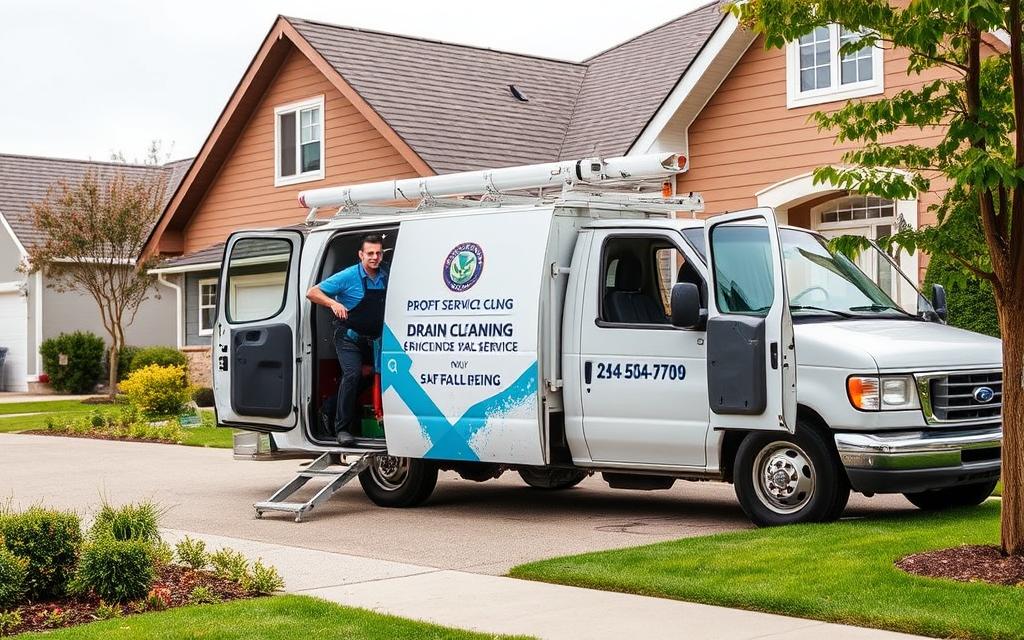
Emergency calls receive priority response. Contractors understand that sewer backups cannot wait. Most emergency situations get same-day service. Technicians arrive within hours of the initial call.
Non-emergency service scheduling offers flexibility. Homeowners choose appointment times that fit their schedules. Same-day service may be available for urgent but not emergency situations. Next-day appointments work for less critical problems.
Response time varies by location and time of day. Stone Oak and Alamo Heights typically get fastest response due to contractor density. Outer areas like Helotes may have slightly longer wait times. The service coordinates to minimize delays for all areas.
What Contractors Bring to Each Job
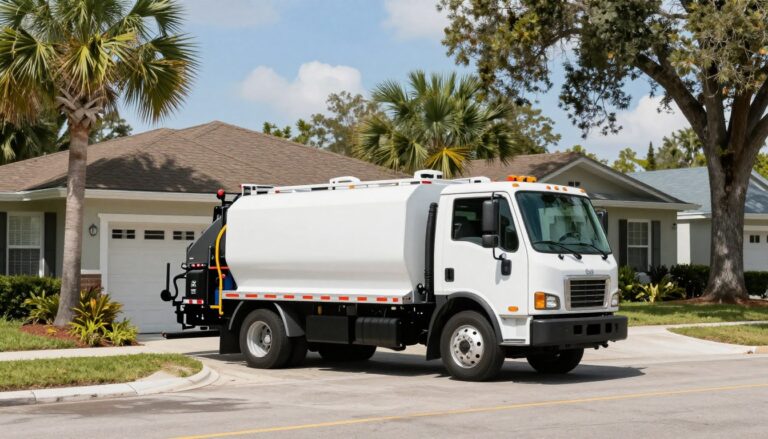
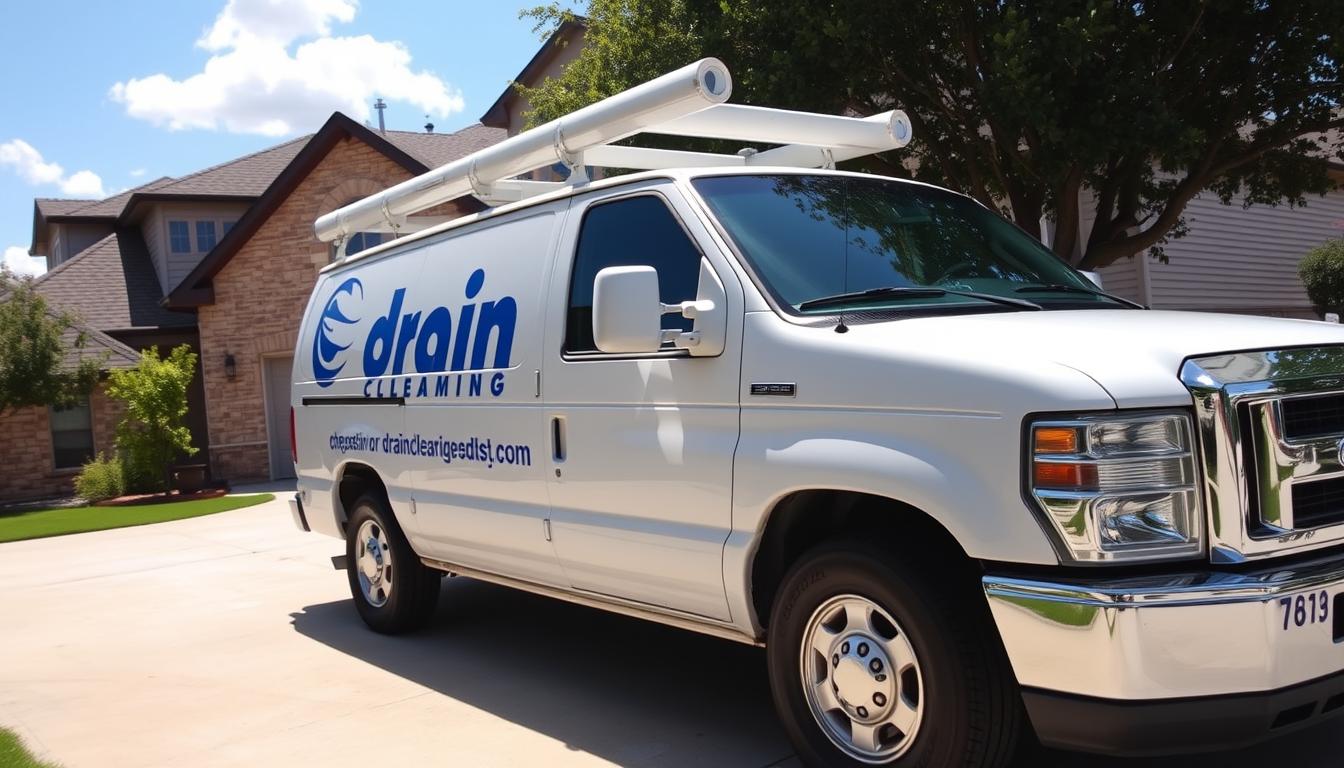
Professional drain specialists arrive with complete equipment. Service vehicles carry cable machines in multiple sizes. Hydro jetting equipment stands ready for tough clogs. Video inspection cameras allow immediate diagnostic work.
Technicians bring various cutting heads and tools. Root cutters handle tree intrusion. Grease cutters work on kitchen line buildup. The right tool for each situation is on the truck. This preparation prevents return trips for additional equipment.
- Cable machines from small to large diameter
- High-pressure hydro jetting systems
- Video inspection cameras with locating capability
- Various cutting heads for different blockage types
- Safety equipment and cleanup materials
Initial Inspection and Diagnosis
Service begins with problem assessment. The technician asks detailed questions about symptoms. They want to know drainage patterns and any recent changes. This conversation provides important diagnostic clues.
Physical inspection follows the interview. The technician checks accessible cleanouts. They may test multiple fixtures to observe drainage patterns. This hands-on assessment narrows down problem location and likely causes.
Camera inspection occurs for complex situations. The video camera travels through the drain system. The technician watches the monitor and identifies exact problems. Root locations, pipe damage, and buildup severity all become visible. This information guides the repair approach.

Service Options and Pricing
Contractors explain findings and recommend solutions. They describe what they found and why it causes problems. Multiple service options may be available depending on the situation.
Basic cable cleaning costs less than hydro jetting. Simple clogs near fixtures are least expensive to clear. Main line work costs more due to equipment size and time required. Root cutting and removal typically falls in the mid-price range.
Pricing depends on several factors. Problem severity affects cost. The amount of pipe requiring cleaning influences price. Emergency service during nights or weekends carries premium rates. Contractors provide clear pricing before beginning work.
Service Guarantees and Follow-Up
Reputable contractors stand behind their work. Most offer service guarantees for specific time periods. If the same clog returns within the guarantee period, they return at no charge. This protection gives homeowners confidence in the service quality.
Follow-up recommendations help prevent future problems. The technician may suggest regular maintenance schedules. They explain what homeowners can do to minimize clogs. This guidance extends the time between service calls.
Some contractors offer maintenance programs. Regular scheduled cleaning prevents emergency situations. Annual or semi-annual service keeps drains flowing freely. These programs cost less than emergency calls and prevent major problems.
Service Matching Benefit: This connection service is completely free for homeowners. There are no fees for being matched with contractors. You pay only for the actual drain cleaning work performed. The service simply facilitates the connection between property owners and qualified local professionals.
Questions to Ask Before Service
Homeowners should gather important information before service begins. Understanding the process and costs prevents surprises. Good contractors welcome questions and provide clear answers.
- What specific services does the quoted price include?
- How long will the work take to complete?
- Does the service include video inspection?
- What guarantee or warranty comes with the work?
- Are there payment options or financing available?
- What can I do to prevent future problems?
After Service is Complete

Proper drain function should return immediately after service. Water drains quickly without backing up. Odors disappear once proper flow resumes. Toilets flush normally with good clearing action.
Contractors provide documentation of work performed. This includes description of problems found and methods used. Camera inspection photos or video may be included. This documentation helps with future service if needed.
Maintenance recommendations come with completed service. The technician explains warning signs to watch for. They suggest preventive measures specific to your drain system. Following this guidance extends time between professional cleanings.
Preventive Drain Maintenance for San Antonio Homes
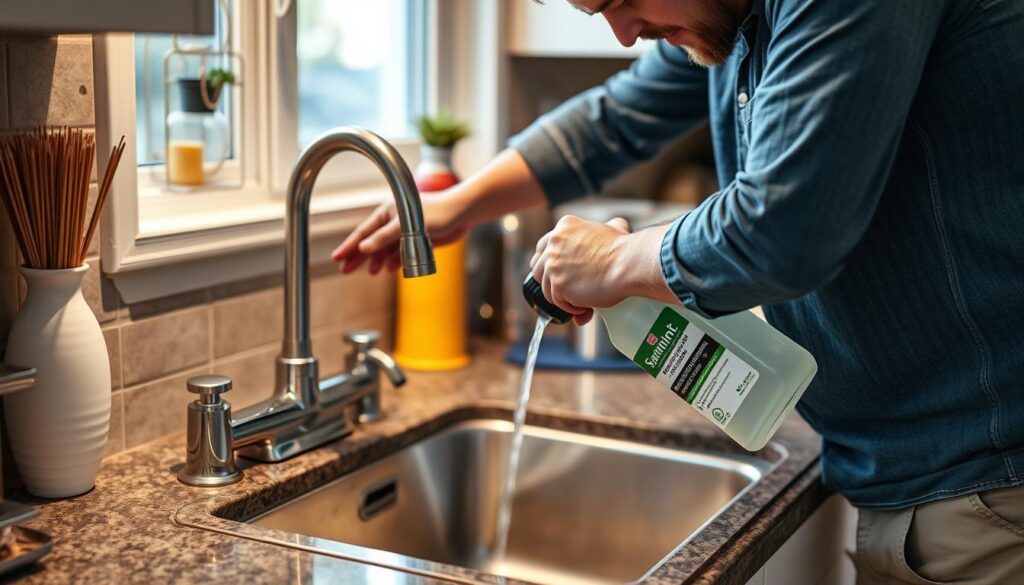
Regular maintenance prevents most drain emergencies. Simple habits protect drain systems. Homeowners who follow basic guidelines experience fewer clogs and backups. Prevention costs far less than emergency repair.
San Antonio conditions require extra attention to maintenance. Hard water demands more frequent care. Clay soil movement affects underground pipes continuously. Summer heat stresses above-ground components. These local factors make preventive maintenance especially important.
Kitchen Drain Care
Kitchen drains handle the most problematic materials. Grease, food particles, and soap all enter kitchen plumbing. Managing these materials prevents most kitchen drain problems.
Grease should never go down drains. It solidifies as it cools inside pipes. This creates accumulating blockages. Pour cooled grease into containers for trash disposal instead. Wipe greasy pans with paper towels before washing.
Food disposal use requires care. Run cold water before, during, and after grinding food. The water flushes particles completely through pipes. Let water run for thirty seconds after grinding stops. This prevents particle accumulation in drain lines.
- Never pour grease or cooking oil down drains
- Run cold water continuously when using garbage disposal
- Scrape food scraps into trash before washing dishes
- Use sink strainers to catch particles
- Run hot water after each use to melt any grease
Bathroom Drain Protection
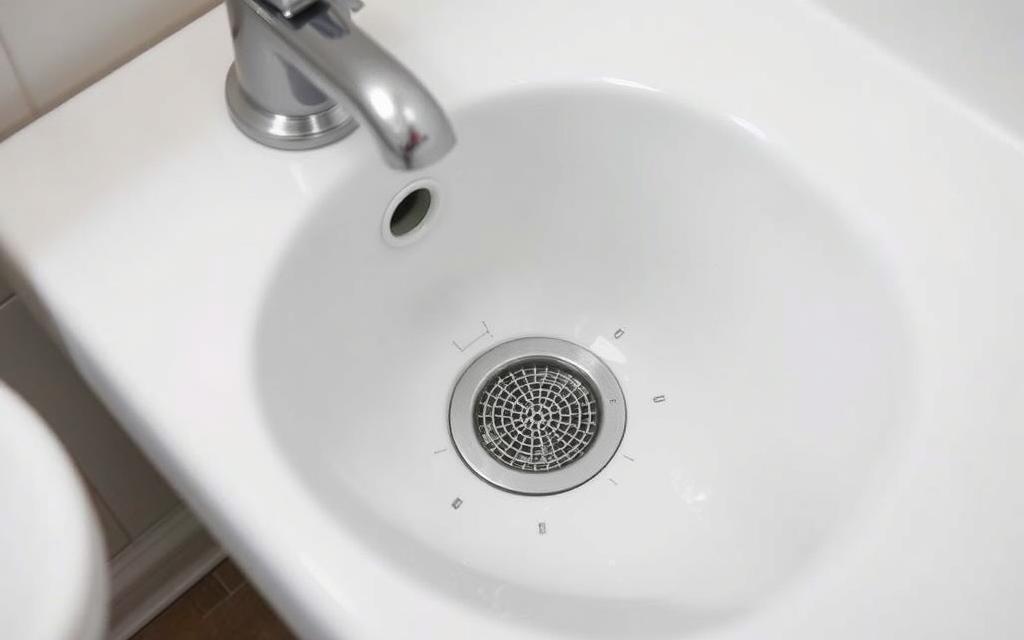
Hair causes most bathroom drain clogs. It binds with soap and creates dense blockages. Simple barriers prevent hair from entering drain pipes.
Drain covers catch hair before it enters pipes. These inexpensive screens fit over drain openings. Empty them regularly to maintain effectiveness. This simple step prevents most bathroom clogs.
Soap selection matters for drain health. Bar soap creates more residue than liquid soap. The residue combines with minerals in hard water. This creates tough deposits inside pipes. Liquid soap products minimize this buildup.
Hot Water Flushing
Regular hot water flushing helps maintain drain health. Once weekly, run very hot water through all drains for several minutes. The heat melts grease and soap accumulations. It helps prevent buildup in drain lines.
This practice works especially well for kitchen drains. The hot water cuts through grease deposits before they harden. Bathroom drains benefit from heat breaking down soap residue. The simple weekly habit extends time between professional cleanings.
Weekly Maintenance Tasks
- Run hot water through all drains for 5 minutes
- Clean drain covers and strainers
- Check under sinks for any leaks
- Run water in unused drains to maintain P-trap seals
Monthly Maintenance Tasks
- Use enzyme drain cleaner in all drains
- Check outdoor cleanouts for accessibility
- Inspect visible drain pipes for moisture
- Test all fixtures for proper drainage speed
Safe Drain Cleaning Products
Chemical drain cleaners can damage pipes over time. The harsh chemicals eat through clogs but also attack pipe materials. Frequent use weakens joints and connections. Alternative products work more safely.
Enzyme-based drain cleaners work gently. These biological products digest organic materials. They break down grease, hair, and soap slowly. Monthly use prevents buildup without pipe damage. These products are safe for all drain materials.
Baking soda and vinegar provide another safe option. Pour half cup baking soda down the drain. Follow with half cup vinegar. Let it fizz for thirty minutes. Flush with hot water. This combination cuts through minor buildup without harsh chemicals.

Professional Maintenance Scheduling
Regular professional cleaning prevents emergency situations. Most San Antonio homes benefit from annual drain service. Properties with known issues need more frequent attention.
Homes with large trees nearby need more frequent root clearing. Annual or semi-annual root cutting prevents complete blockages. This scheduled maintenance costs less than emergency calls. It also prevents water damage from backups.
Older homes with original plumbing benefit from regular inspection. Annual camera inspection catches problems early. Small issues get corrected before becoming major failures. This proactive approach saves money long-term.
Seasonal Maintenance Considerations
San Antonio seasons create specific maintenance needs. Spring brings heavy rains that test drain capacity. Fall leaves can enter outdoor drains. Winter rarely affects drains, but summer heat does.
Before spring rains arrive, check all outdoor drains. Clear debris from around cleanouts. Make sure nothing blocks floor drains in garages or patios. Good drainage prevents water intrusion during storms.
Summer heat requires attention to exposed pipes. Check outdoor drain vents for separation. Look for cracks near where pipes exit foundations. Address heat damage before it causes failures.
Maintenance Investment: Preventive drain maintenance costs a fraction of emergency repairs. Regular care extends drain system life. It prevents water damage that costs thousands to remedy. The time and money invested in prevention pay substantial returns.
Warning Signs During Maintenance
Regular maintenance helps identify developing problems. Pay attention to changes during routine care. These warning signs indicate professional inspection is needed soon.
- Drains taking longer to empty despite maintenance
- Recurring slow drainage in same fixture
- Unusual sounds developing in drain lines
- Odors persisting despite cleaning efforts
- Water backing up during heavy rain
- Visible moisture around pipe connections
Catching problems early through maintenance awareness prevents major failures. Schedule professional service when warning signs appear. Early intervention costs less than waiting until complete failure occurs.
Frequently Asked Questions About Drain Cleaning in San Antonio
How much does professional drain cleaning cost in San Antonio?
Drain cleaning costs vary based on several factors. Simple branch drain cleaning typically ranges from one hundred to three hundred dollars. This covers basic cable work on kitchen or bathroom drains.
Main sewer line cleaning costs more due to equipment requirements. Expect prices from three hundred to eight hundred dollars for main line service. Complex situations involving roots or severe buildup may cost more.
Hydro jetting services command premium pricing. This advanced cleaning method costs from four hundred to one thousand dollars or more. The thorough cleaning justifies higher costs through longer-lasting results.
Emergency service during nights, weekends, or holidays carries additional charges. These premium rates typically add fifty to one hundred percent to base prices. The convenience and immediate response justify the added expense during true emergencies.
How often should San Antonio homeowners have drains professionally cleaned?
Most San Antonio homes benefit from annual professional drain cleaning. The local hard water and clay soil conditions accelerate buildup and pipe stress. Yearly service prevents problems before they become emergencies.
Properties with large trees need more frequent service. Tree roots grow continuously toward water sources. Root cutting every six to twelve months prevents complete blockages. This schedule maintains drain function in tree-heavy areas.
Older homes with galvanized pipes or original clay sewer lines need closer attention. Semi-annual inspections catch age-related deterioration early. Regular service extends the life of aging drain systems.
Homes showing any warning signs need immediate service regardless of last cleaning date. Don’t wait for scheduled maintenance if problems appear. Early intervention prevents damage and costly emergency repairs.
Can tree roots really damage drain pipes in San Antonio?
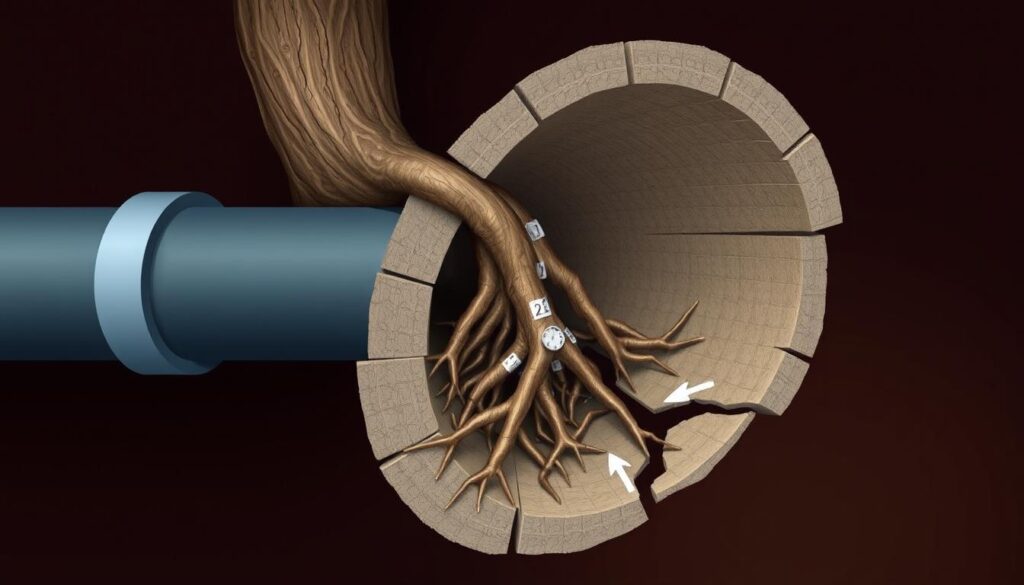
Tree roots cause extensive drain damage throughout San Antonio. The city’s mature tree canopy includes oaks, pecans, and other large species. These trees develop massive root systems reaching far underground.
Roots seek water and nutrients. Sewer lines provide both in abundance. Even tiny cracks or joint separations allow root entry. Once inside, roots grow rapidly and fill the entire pipe diameter.
Root damage worsens over time without intervention. Small root tendrils become thick masses. They trap debris and create complete blockages. Eventually roots crack pipes as they expand. The damage requires pipe repair or replacement.
San Antonio’s clay soil compounds root problems. Soil movement creates the initial cracks that permit root entry. Seasonal expansion and contraction open these gaps wider each year. Root intrusion follows inevitably in properties with mature trees.
What’s the difference between cable cleaning and hydro jetting?
Cable cleaning uses rotating steel cables with cutting heads. The cable bores through blockages mechanically. This method works well for most common clogs like hair, grease, and small root intrusions. Cable machines are less expensive to operate.
Hydro jetting uses high-pressure water streams. Water at three thousand to four thousand PSI cuts through blockages and scours pipe walls clean. This method removes buildup completely rather than just boring a hole through it.
Cable cleaning leaves residue on pipe walls. The cleared hole allows drainage but buildup remains. Clogs often return within months as remaining buildup catches new debris. This makes cable cleaning a temporary solution for severe buildup.
Hydro jetting cleans entire pipe circumference. It removes mineral deposits, grease coating, and root remnants. The pipe emerges genuinely clean. Results last much longer than cable cleaning. San Antonio’s hard water buildup responds especially well to jetting.
Are chemical drain cleaners safe for San Antonio’s plumbing systems?
Store-bought chemical drain cleaners pose risks to plumbing systems. The harsh chemicals generate heat when attacking clogs. This heat can damage PVC pipes and rubber gaskets. Repeated use weakens joints and connections.
Old galvanized pipes face additional risks. The chemicals accelerate interior corrosion. They eat through existing rust and expose fresh metal to attack. This speeds deterioration in already-aging drain systems common in older San Antonio neighborhoods.
Chemical cleaners provide only temporary relief for most clogs. They dissolve surface material but leave underlying blockages. The clog returns quickly. Homeowners often use cleaners repeatedly, compounding pipe damage each time.
Professional mechanical cleaning proves safer and more effective. Cable machines and hydro jetting physically remove blockages without chemical damage. Enzyme-based drain treatments offer a safe alternative for routine maintenance. These biological products digest organic buildup without attacking pipe materials.
Get Expert Answers to Your Drain Questions
Local San Antonio drain specialists answer your questions and solve your specific drainage problems. Professional service available 24/7 for emergencies.
Understanding Your San Antonio Home’s Drain System Components
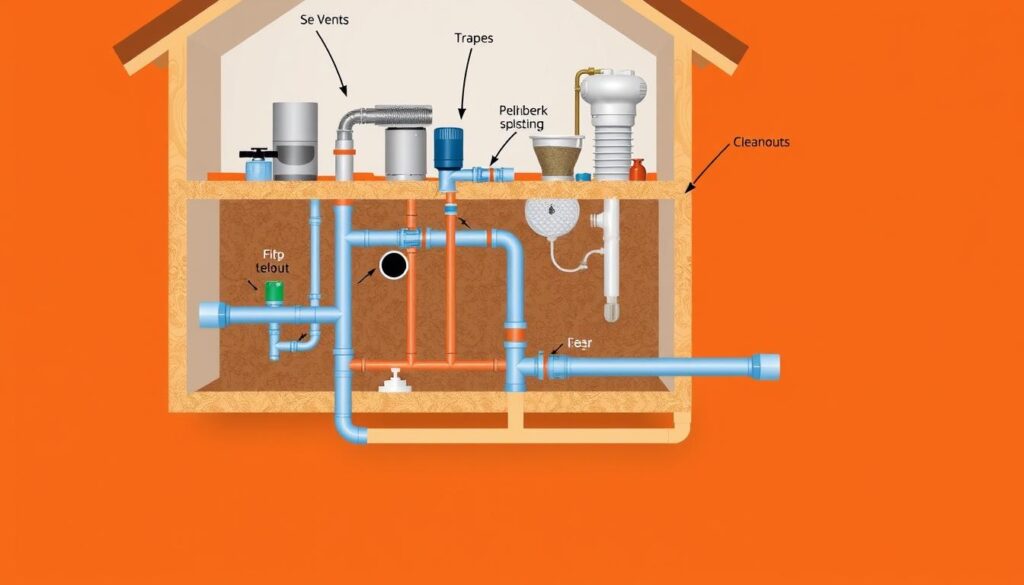
Knowledge of drain system components helps homeowners communicate with contractors. Understanding how parts work together clarifies problem discussions. This section explains the major elements of residential drain systems.
Drain Traps and Their Function
Every fixture has a trap that holds standing water. These P-traps or S-traps create water seals. The seal prevents sewer gas from entering living spaces. This simple water barrier is essential for indoor air quality.
Traps also catch debris before it enters main drain lines. Hair and soap collect in bathroom sink traps. Food particles accumulate in kitchen traps. This design concentrates clogs in accessible locations. Most trap clogs clear easily from above without specialized equipment.
Traps require water to function properly. Infrequently used fixtures allow trap water to evaporate. The dry trap permits sewer odors to enter the room. Running water briefly refills the trap and restores the gas seal. Guest bathrooms and basement floor drains need periodic water addition.
Branch Drain Lines
Branch lines connect individual fixtures to larger drain pipes. These smaller diameter pipes run from each sink, toilet, tub, and appliance. They slope downward to promote gravity drainage toward collection points.
Most branch lines use one-and-a-half-inch or two-inch pipe. Kitchen sinks typically have one-and-a-half-inch drains. Bathrooms use two-inch drains to handle higher water volumes. Toilets connect with three-inch or four-inch dedicated lines.
Branch line problems affect only connected fixtures. A clogged bathroom sink drain does not impact kitchen drainage. This isolation helps identify problem locations. When multiple fixtures back up, the issue lies downstream in shared piping.
Main Sewer Line
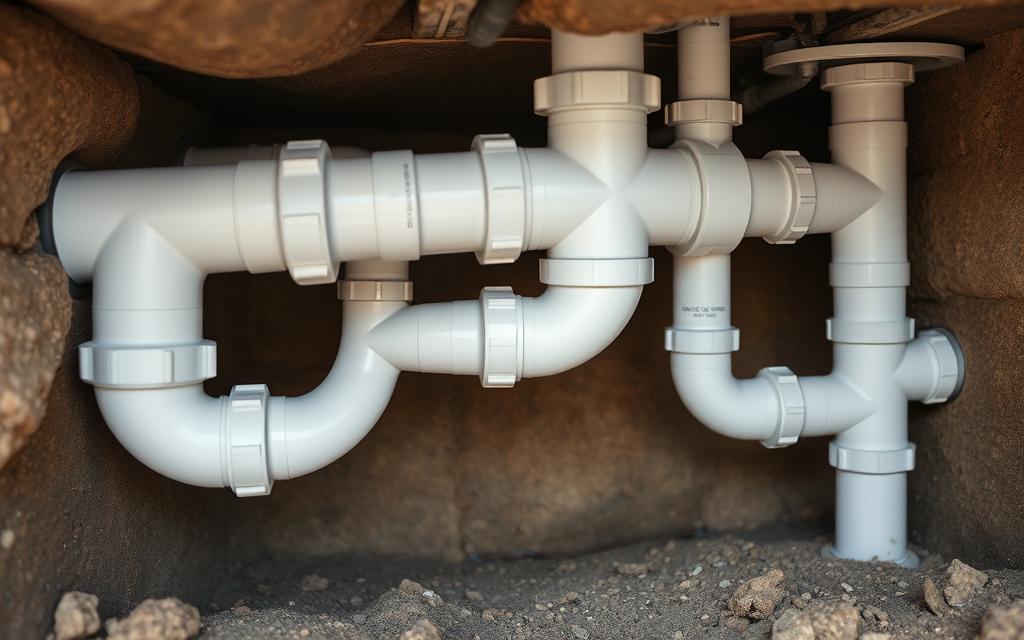
The main sewer line collects waste from all branch drains. This large pipe runs from the house to the city sewer connection or septic tank. It typically measures four inches in diameter or larger. All household drainage eventually flows through this single pipe.
Main line location varies by house design. Older homes often have lines running under basement floors. Slab foundation homes have lines buried beneath the concrete. The pipe exits the foundation and continues underground to the street connection.
Main line blockages affect entire household drainage. Multiple fixtures back up simultaneously when this pipe clogs. These situations require professional equipment due to pipe size and depth. Main line service is more expensive than branch drain cleaning.
Cleanout Access Points
Cleanouts provide access to drain lines for service. These fitting have removable caps that open directly into the pipe. Contractors insert cables and cameras through cleanouts to reach blockages.
Main line cleanouts typically install near where the sewer exits the house. They may be inside basements or outside near foundations. Accessible cleanouts save time and money during service calls. Contractors reach problems quickly without removing fixtures.
Some older San Antonio homes lack adequate cleanouts. Original installations did not always include them. This forces contractors to access drains through fixtures or toilets. Adding cleanouts during drain service improves future accessibility.
Indoor Drain Components
- P-traps under each fixture
- Branch drain lines from fixtures
- Vent pipes allowing air circulation
- Cleanout access fittings
Outdoor Drain Components
- Main sewer line to street
- Exterior cleanout access points
- Foundation penetrations and seals
- Sewer connection to city system
Vent System Importance

Vent pipes allow air into drain systems. These pipes extend through the roof and open to atmosphere. They prevent vacuum formation during drainage. Proper venting ensures fast, complete drainage from all fixtures.
Blocked vents cause drainage problems that resemble clogs. Gurgling sounds come from drains. Toilets flush slowly. Water drains sluggishly from sinks and tubs. These symptoms occur even when drain lines are clear.
Birds sometimes nest in vent openings. This blocks airflow and creates drainage issues. Debris like leaves can also accumulate in vents. Camera inspection from inside the house can identify vent blockages. Roof access allows physical clearing of blocked vent openings.
Underground Pipe Materials
San Antonio drain systems use various pipe materials. The material depends on home age and when pipes were installed. Each material has different strengths and weaknesses.
Modern systems use PVC plastic pipes. This material resists corrosion and costs less than alternatives. PVC installs easily with solvent welding or rubber gaskets. However, it faces challenges from San Antonio’s heat and soil movement as discussed in earlier sections.
Older systems often feature cast iron pipes. These heavy metal pipes last decades when properly maintained. However, they eventually corrode from inside. The rough interior surface catches debris as corrosion progresses. Many San Antonio homes built before 1970 have cast iron drains.
Very old systems may contain clay tile pipes. These terra cotta sections connect with mortar joints. The joints separate easily from soil movement. Tree roots penetrate clay pipe systems readily. Most clay drains need replacement when problems develop.
Professional Drain Service Protects San Antonio Homes
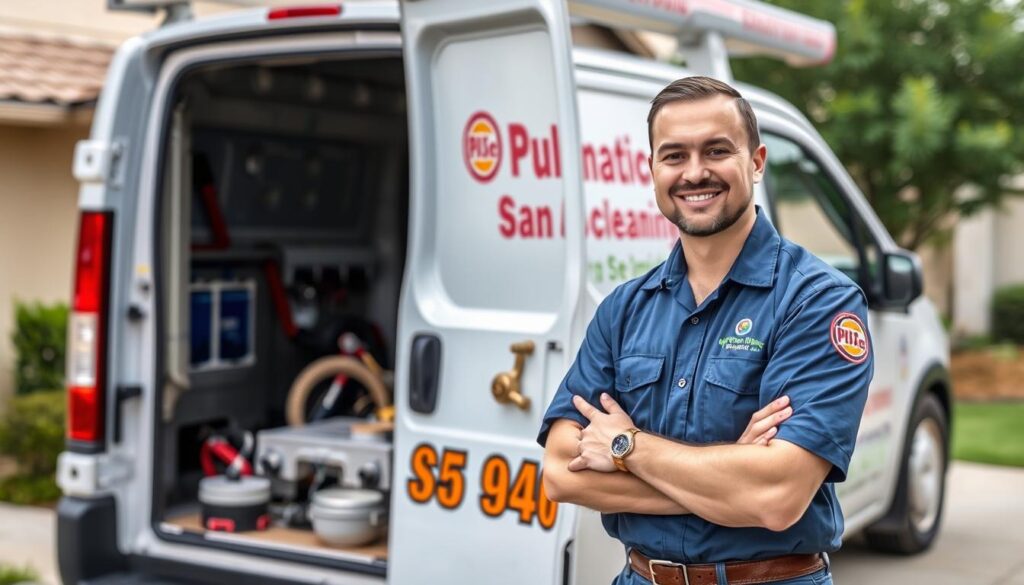
San Antonio’s unique environmental conditions create specific drainage challenges. Black clay soil movement stresses underground pipes continuously. Summer heat damages exposed PVC components. Hard water deposits buildup faster than in most cities. These factors combine to make professional drain maintenance essential.
Regular inspection and cleaning prevent major problems. Annual service addresses buildup before it causes blockages. Camera inspection identifies developing issues early. Professional contractors understand local conditions and provide appropriate solutions.
Emergency services remain available around the clock. Drain problems do not respect business hours. Professional response teams answer calls day and night. They bring proper equipment and experience to resolve issues quickly.
This service connects property owners with qualified local contractors. The professionals in this network know San Antonio drainage intimately. They have solved thousands of problems in every neighborhood. Their experience with local conditions ensures effective solutions.
Connect with San Antonio Drain Cleaning Experts Today
Local professionals understand your drainage challenges. They respond quickly with proper equipment and experience. Service available 24/7 for emergencies throughout all San Antonio neighborhoods.
Drain problems worsen when ignored. Small clogs become complete blockages. Minor leaks cause water damage. Simple issues escalate into expensive repairs. Taking action at the first warning signs prevents these costly consequences.
Property owners throughout Alamo Heights, Stone Oak, Helotes, and all San Antonio neighborhoods benefit from professional drain service. Whether facing emergency backup or planning preventive maintenance, experienced contractors provide solutions. Their local knowledge combined with proper equipment solves problems effectively.