Plumbing systems, invisible yet essential, are often neglected until a major problem arises. However, regular maintenance can help you avoid unexpected inconveniences and costly repairs. But when is it really necessary to check your pipes? Rather than waiting for a leak or a blockage, preventive inspections allow you to detect issues before they escalate. Here’s everything you need to know about the key moments when an inspection is essential to keep your plumbing in perfect condition.
Why should you regularly inspect your plumbing?
Plumbing systems are subjected to various pressures and risks, whether due to wear, blockages, or water infiltration. These problems often go unnoticed for a long time, but their consequences can be expensive and difficult to repair. Regular checks not only help identify problems early but also maintain a reliable and efficient plumbing system. Here are the main reasons why monitoring your plumbing is crucial:
Visible signs of wear or leaks
If you notice visible water leaks, moisture stains on your walls, or a drop in water pressure, these could be indications that your plumbing requires immediate attention. Even minor leaks can escalate quickly, leading to costly water damage if not repaired on time.
Recurring drainage problems
Slow drainage or clogged pipes are typical signs of blockages in your plumbing. If water drains slowly or remains stagnant in sinks or toilets, this could indicate a potential problem. Additionally, if you notice bad odors, an inspection may be needed to prevent these issues from becoming more complex repairs.
Old plumbing systems
Older homes, especially those built before the 1970s, often have pipes made of lead, cast iron, or steel. These materials deteriorate more quickly and can lead to leaks or blockages. If you live in an older home, it’s advisable to have your plumbing inspected every 5 to 10 years, even if no obvious signs of failure are present.
Bad odors
Bad odors coming from your pipes may indicate that waste has accumulated inside the plumbing. If you notice unpleasant smells, it’s best to have your plumbing inspected to avoid future blockages and the risk of leaks or mold growth.
When to perform a preventive inspection?
Plumbing inspections aren’t only for times of crisis. There are several situations where a preventive check-up is highly recommended. Here are some key times when it’s essential to schedule an inspection:
Before renovation work
If you’re planning renovation work, especially in sensitive areas like the kitchen or bathroom, it’s wise to check the condition of your plumbing before starting. This allows you to address hidden problems before finalizing the renovation, avoiding unexpected costs later.
After prolonged periods of inactivity
If your home has been unoccupied for a while, it’s important to inspect your plumbing when you return. Inactivity can lead to blockages or hidden leaks that may have developed over time.
When you notice changes in your water bills
If you notice a sudden increase in your water consumption, this could be a sign of leaks in your plumbing. A quick inspection will help you pinpoint the leak and address it before the problem worsens.
Every 3 to 5 years for modern homes
Modern homes are generally equipped with PVC pipes or other durable materials. However, it’s recommended to check the condition of these systems every 3 to 5 years, even without obvious symptoms, to prevent long-term issues.
Read more: How to choose durable and economical faucets?
What does a plumbing inspection include?
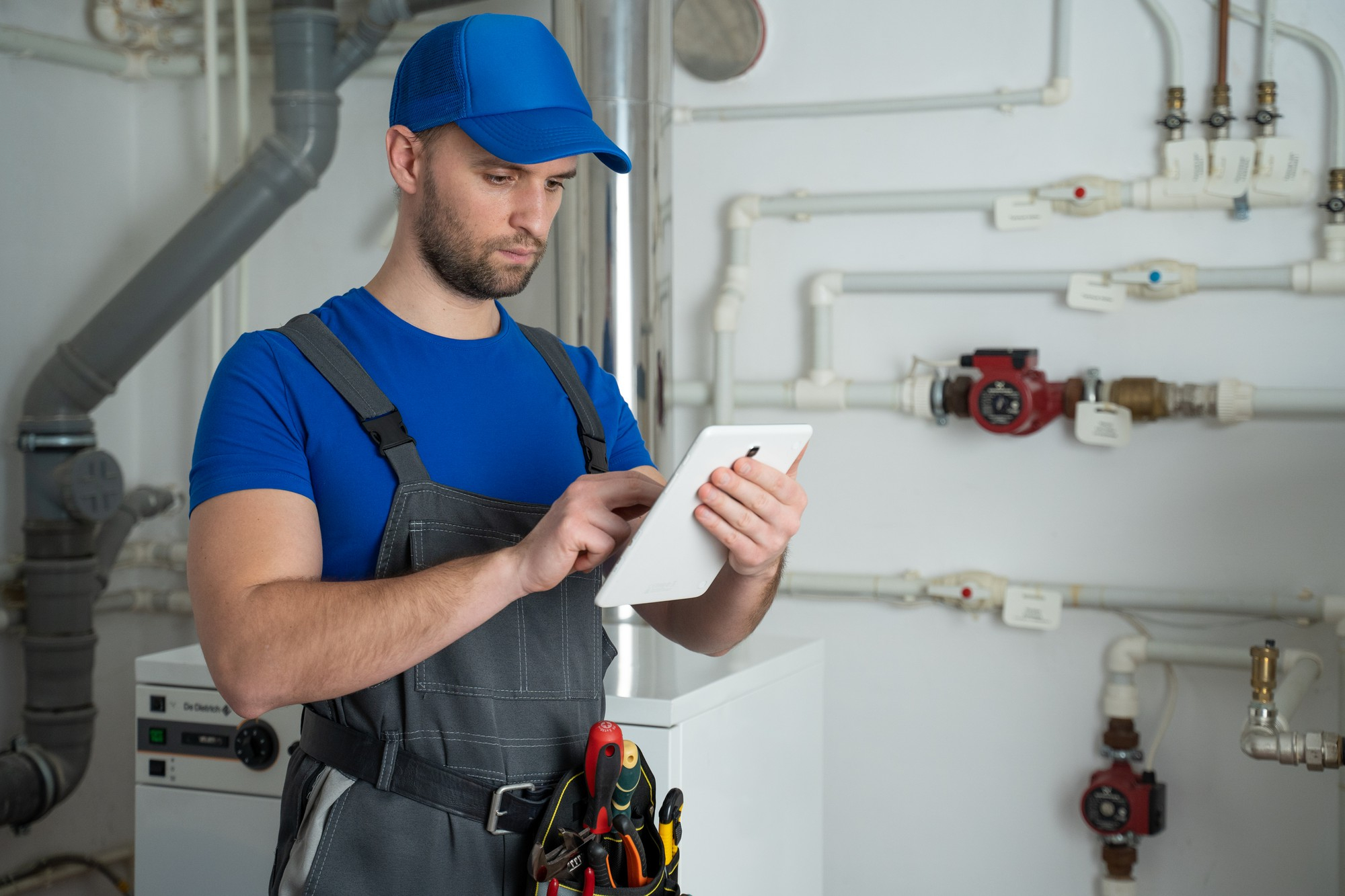
A thorough plumbing inspection involves several steps to ensure everything is functioning properly and that there are no hidden risks. Here’s what a professional inspection typically includes:
Visual inspection
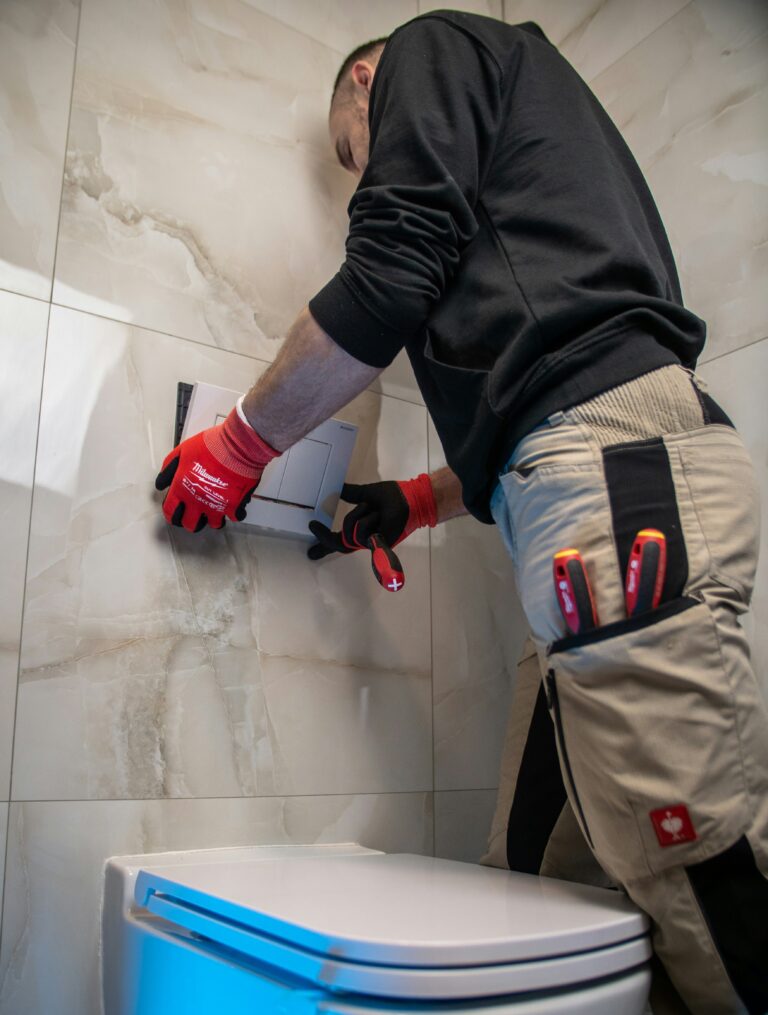
A plumber will visually inspect your plumbing to look for signs of damage, such as cracks, worn joints, or moisture stains. If a problem is detected, they will recommend the necessary repairs.
Use of cameras for internal inspection
Endoscopic camera inspections are used to examine the inside of pipes, especially those that are difficult to access. This allows for detecting blockages, cracks, or water infiltration that are not visible to the naked eye. This method is particularly useful for underground pipes or pipes embedded in walls.
Water pressure test
A water pressure test is conducted to check whether the water pressure is within the appropriate range and if there are any internal leaks. Low or high pressure may indicate a problem with the plumbing system.
Inspection of drainage systems
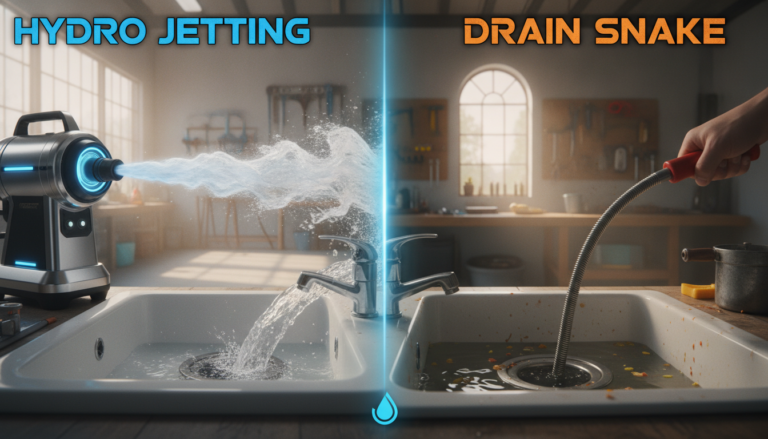
The plumber will also inspect your drainage systems, such as toilets, sinks, and showers, to check for blockages in the pipes. Drainage tests will be performed to ensure they are working properly.
Read more: How much does a full plumbing installation cost?
Knowing when to inspect your plumbing is essential to avoid expensive repairs and unnecessary inconveniences. By incorporating these preventive checks into your maintenance routine, you can ensure the longevity of your system and the safety of your home. Don’t wait for problems to arise contact a professional for a thorough and effective plumbing inspection. A small preventive step today can save you from significant trouble tomorrow.