The pipes in your home are vital components, yet they often go unnoticed until a problem arises. Regular maintenance can not only prevent major issues but also extend the lifespan of your plumbing system. Discover the importance of proactive upkeep and the best practices to keep your pipes in perfect condition before small problems turn into costly emergencies.
Why is regular pipe maintenance essential?
Pipes are the backbone of your plumbing system. When they are not maintained, problems can arise, including blockages, leaks, scale buildup, and more. These issues can not only damage your installations but also lead to expensive repairs.
Regular maintenance helps prolong the life of your plumbing and avoid costly emergencies. Here are some good reasons to take care of your pipes:
- Prevention of blockages: Grease, hair, and other debris can accumulate in your pipes, causing clogs. Regular maintenance ensures that your pipes stay clear.
- Reducing the risk of leaks: Over time, pipes can corrode or crack. Regular checks allow you to detect signs of weakness before they turn into leaks.
- Saving energy and water: Clean and functional pipes allow for better water flow, optimizing the efficiency of your water heater and preventing water wastage.
How to maintain your pipes?
Maintaining your pipes doesn’t require plumbing skills, but it does require a little diligence. Here are some simple practices to adopt to ensure their longevity.
Regular drain cleaning
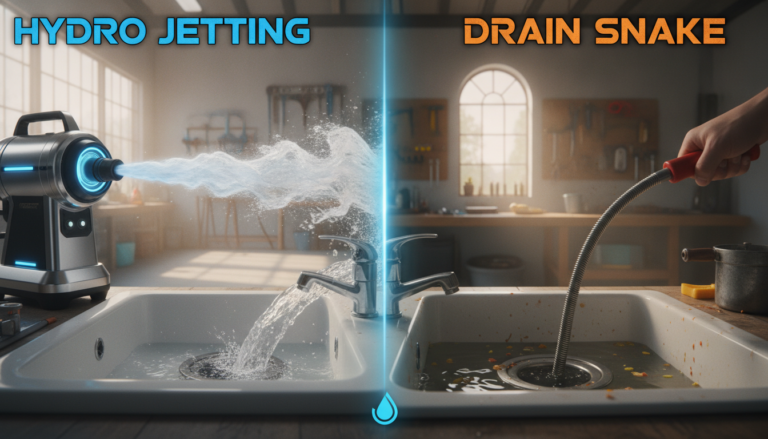
To avoid blockages, it’s essential to clean your drains regularly. Use a suitable chemical drain cleaner or natural solutions like baking soda and white vinegar. These products are effective at dissolving grease and organic residues.
Prevent blockages with drain covers
Drain covers catch large debris such as hair and food scraps. Install them in your sinks, showers, and bathtubs to prevent these items from entering your pipes and causing blockages.
Check joints and pipes
Regularly check the condition of visible joints and pipes. If you notice cracks or signs of wear, it’s better to replace them before they cause leaks. Water leaks can be hard to detect at first but can damage your walls and floors.
Avoid flushing harmful products down the drains
Do not flush harmful chemicals, grease, or solid waste into your pipes. These elements can cause blockages and accelerate pipe wear. Prefer eco-friendly cleaning solutions and gentle cleaning methods to preserve the integrity of your pipes.
When to call a professional?
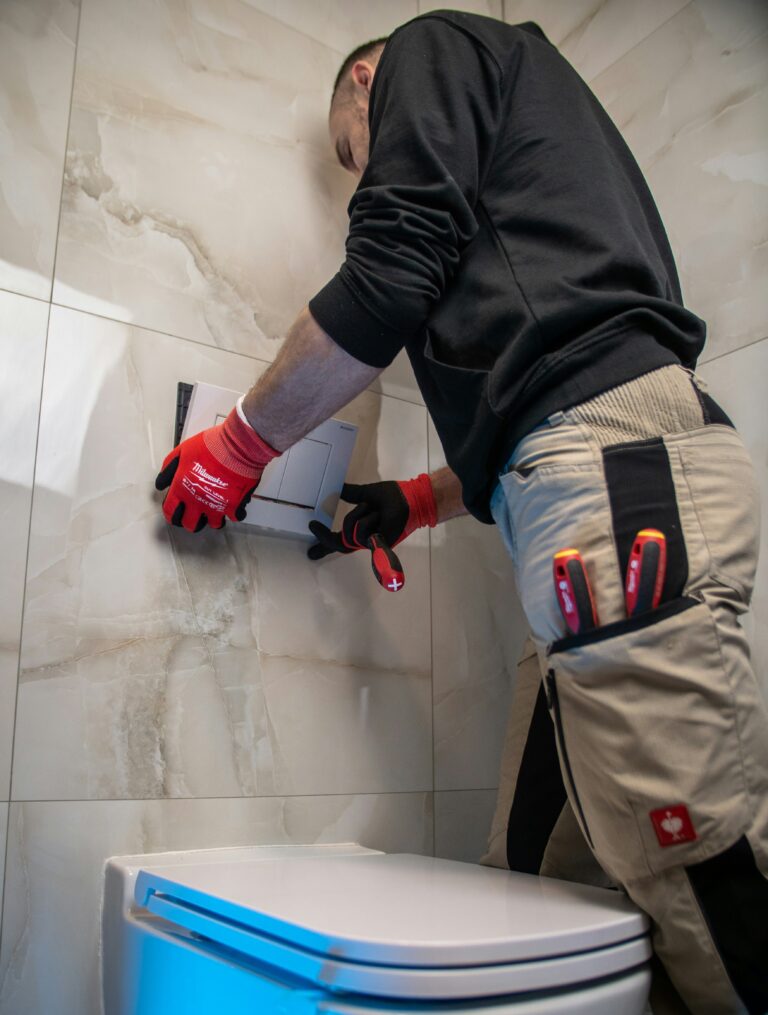
While basic maintenance can be done by yourself, there are times when you need a professional plumber. Here are some signs that it’s time to call an expert:
- Stagnant water in sinks or showers: This may indicate a deep clog that you cannot solve on your own.
- Unpleasant odors: If you notice bad smells coming from your pipes, this could be a sign of a blockage or buildup of debris in the pipes.
- Noises in the pipes: Unusual sounds like banging or whistling can indicate pressure problems or poor water circulation in your pipes.
The benefits of regular maintenance
Adopting a maintenance routine for your pipes offers several important advantages:
- Preventive maintenance reduces repair costs and expensive replacements. This way, you save on unexpected repairs.
- Your pipes will last longer if you maintain them regularly, saving you from premature replacements.
- well-maintained plumbing system works smoothly, offering better comfort on a daily basis. No more leaks, no more bad smells, and consistent water flow.
Read more : Which products should you avoid to protect your pipes ?
Pipe maintenance is a critical aspect of managing your plumbing system. It’s easy to neglect this task, but investing time in maintaining your pipes can prevent costly repairs and prolong the life of your installations. So, don’t wait for problems to arise adopt simple, regular practices to preserve your plumbing and enjoy water in an optimal and secure way.