When it comes to pipes, they are often forgotten and ignored, until a blockage disrupts daily life. But did you know that regular maintenance can prevent these issues and extend the lifespan of your installations? Whether it’s bad odors or slow drains, proper pipe cleaning is key to keeping your plumbing in good condition. So, what is the ideal frequency for effective cleaning?
Signs it’s time to clean your pipes
Before determining how often you should clean your pipes, it’s important to recognize the signs that indicate it’s time for maintenance. These symptoms are usually easy to spot and can save you from future inconveniences.
Slow drainage: a clear sign of clogging
If the water takes longer than usual to drain, it’s likely a sign of a blockage. This can happen when grease, food scraps, or hair begin to accumulate inside your pipes. Initially, the issue may be minor, but over time, even small clogs can worsen, leading to a complete blockage. Don’t wait until the problem becomes severe, as slow drainage can eventually lead to flooding or water damage in your home.
Persistent bad odors
Bad odors from your pipes are usually caused by food residues, grease, and organic matter trapped inside. These smells are more than just unpleasant; they indicate that your pipes are starting to clog. The longer you leave these issues, the more likely it is for the smells to get worse, making your home feel uncomfortable. Quick action can restore freshness to your plumbing, removing the source of these odors and preventing future buildup.
Unusual noises in the pipes
Gurgling or whistling sounds coming from your pipes are often signs that air is trapped inside, usually due to poor water flow caused by an obstruction. These noises are often early indicators of partial clogs that could eventually lead to complete blockages. If you hear these sounds, it’s a sign that you should address the issue before it becomes a more serious problem, as delaying action could cause significant plumbing issues down the line.
Excess moisture around pipes
Finding moisture or even mold around your pipes can be a serious warning sign. This moisture often indicates a leak, which could result from an obstruction or buildup of materials in your pipes. Even small leaks can cause significant damage over time if not addressed. Check regularly for signs of moisture, as these could be the first signs of a larger issue that needs immediate attention.
Recommended frequency for cleaning pipes
Now that you’ve recognized the signs, it’s time to discuss how often your pipes should be cleaned. Of course, this frequency varies depending on several factors.
Once a year: basic maintenance
For most homes, cleaning your pipes once a year is sufficient for basic maintenance. This annual cleaning helps remove any buildup of grease, hair, and other debris that naturally accumulate over time. Even if you haven’t noticed any problems, this cleaning can prevent future clogs from forming and ensure that your pipes remain in good condition. Regular cleaning is an affordable way to maintain your plumbing system without waiting for major issues to arise.
Every 6 months for high-use households
For larger households or those where the kitchen is heavily used, cleaning the pipes every six months is advisable. In these homes, grease, food scraps, and other debris accumulate faster, which can lead to quicker clogs. Cleaning twice a year ensures that your pipes stay free from blockages, minimizing the risk of sudden problems and the need for expensive repairs in the future.
Special cases: when to clean more often
Certain situations call for more frequent cleaning. For example, if your home has old pipes or if you use harsh drain cleaners regularly, cleaning your pipes every three to four months might be necessary. Old pipes can be more susceptible to buildup, which requires additional attention. Homes with frequent clogging issues may also benefit from regular professional inspections to ensure that the system is operating at its best.
Methods for cleaning pipes
Once you’ve determined how often to clean your pipes, it’s important to know the best methods to use. You can choose from natural solutions to professional interventions.
Hot water and baking soda cleaning
If you prefer to avoid chemicals, hot water and baking soda can be a simple yet effective solution. Pour a generous amount of boiling water down your pipes to loosen grease and debris. Follow this with a few tablespoons of baking soda to break down any remaining gunk. This natural solution is safe for your pipes and the environment. Performing this cleaning regularly can help keep your plumbing system free from buildup and odors without using harmful chemicals.
Chemical products: use with caution
While chemical products can be effective in clearing blockages, they should only be used sparingly. Frequent use of harsh chemicals can weaken the pipes, leading to corrosion and damage. Opt for eco-friendly drain cleaners when possible, and always follow the instructions carefully. Use chemicals as a last resort, and avoid overuse to ensure your pipes remain in good condition for the long term.
Professional cleaning by a plumber: when it’s necessary
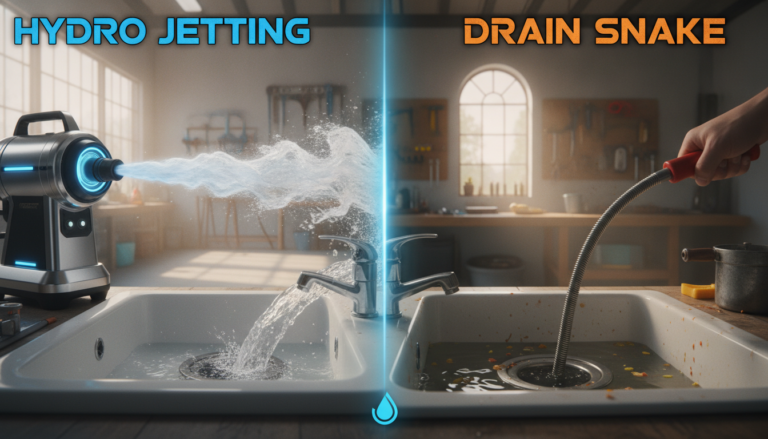
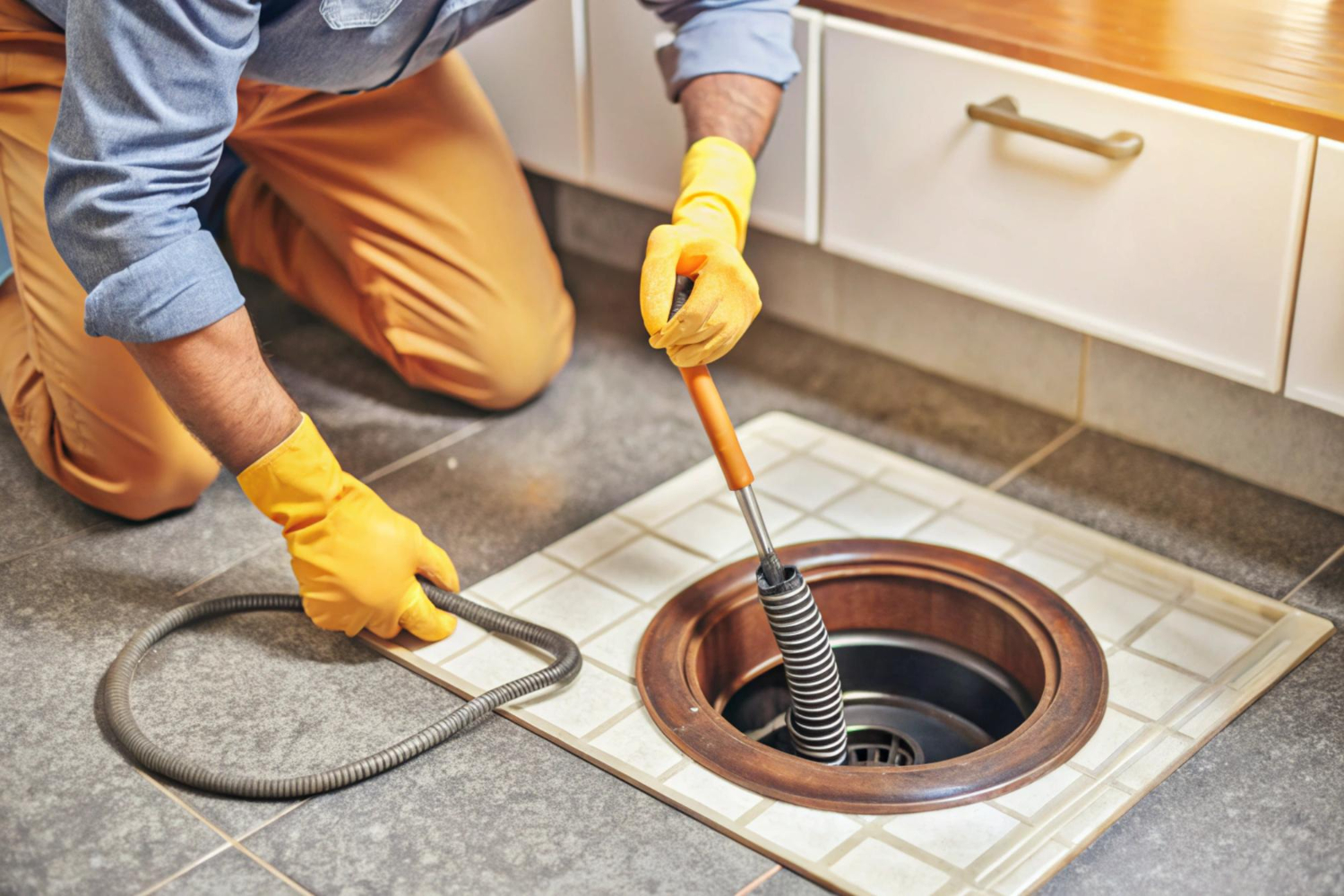
Sometimes, the blockage may be too stubborn for DIY methods. In such cases, calling in a professional plumber can be the best solution. Plumbers use specialized tools, such as high-pressure water jets or electric augers, to remove tough blockages. Their expertise ensures a thorough cleaning without risking damage to your pipes. When in doubt, don’t hesitate to contact a professional for a deep, effective clean that keeps your plumbing system running smoothly.
Common mistakes to avoid when cleaning pipes
To ensure the longevity of your pipes, it’s important to avoid certain common mistakes during the cleaning process.
Overusing chemical products
Excessive use of chemical drain cleaners can harm your pipes, causing them to deteriorate over time. Always opt for gentler solutions first, such as hot water or baking soda, before resorting to chemicals. Over time, frequent use of chemicals can lead to expensive repairs and potential pipe replacements.
Neglecting the filters in your sinks and showers
Ignoring the filters in your sinks and showers is a common mistake that leads to clogs. These filters are essential for catching debris like hair, grease, and food particles before they reach the pipes. Regularly cleaning and maintaining these filters can prevent many of the common plumbing problems, including slow drainage and buildup. Make sure to inspect and clean them regularly to ensure your plumbing stays in top condition.
Ignoring warning signs
When you notice signs like slow drainage or foul odors, it’s tempting to put off cleaning. However, ignoring these warning signs can cause the situation to worsen, leading to more serious blockages and costly repairs. Addressing minor issues early on ensures that you don’t end up dealing with major plumbing disasters down the line. Be proactive and stay ahead of potential problems to maintain your plumbing system’s health.
Cleaning your pipes is a vital maintenance task to ensure your plumbing system remains functional and free from problems. Whether you choose to do it yourself or hire a professional, managing the frequency and methods of cleaning will keep your plumbing in top condition.