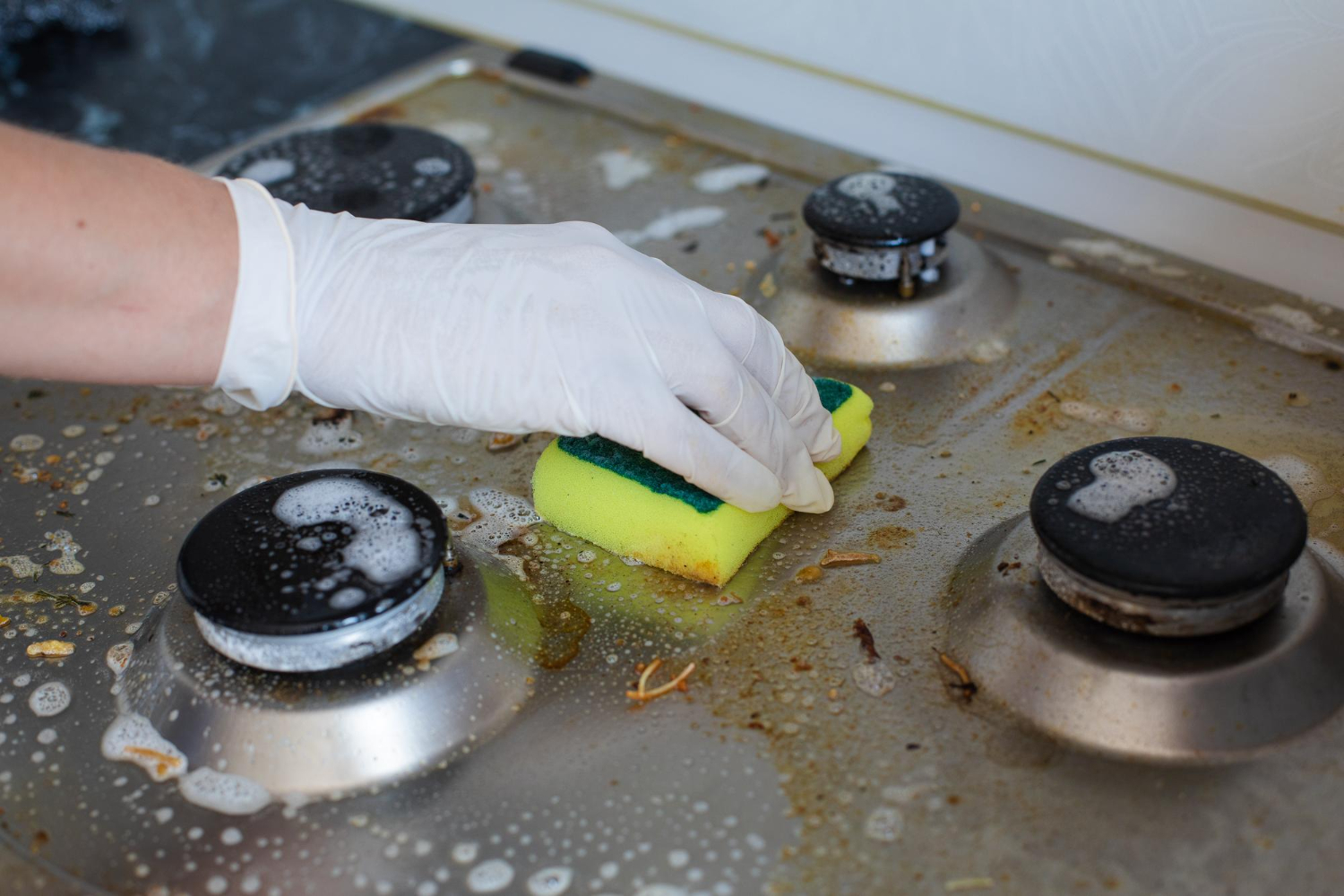
In the kitchen, grease is everywhere: on your pans and dishes, but also in your pipes. When it accumulates in the pipes, it forms clogs that are difficult to remove and can damage your plumbing system and impede drainage. By adopting good practices and knowing when to intervene, you can protect your plumbing and avoid costly repairs.
Why is grease a problem in kitchen pipes?
What seems like a simple splash of cooking oil or leftover sauce can quickly turn into a serious plumbing issue. Grease doesn’t disappear down the drain; it clings, builds up, and causes trouble below the surface.
The effects of grease on pipes
Grease slowly forms a sticky layer along the inside walls of your pipes. Over time, it narrows the flow path and increases the pressure within the system. If left untreated, it can lead to full blockages that disrupt your daily routine and may even require emergency repairs.
Consequences for hygiene and odors
Once grease settles, it becomes a trap for food particles and bacteria. This combination generates strong, persistent odors that spread through the kitchen. These smells often come back, even after you’ve cleaned the sink, because the source lies deeper in the pipe.
Common mistakes to avoid
Trying to fix or prevent grease clogs without the right knowledge can do more harm than good. Many well-intentioned actions actually worsen the problem over time. Let’s go over the common traps you should absolutely avoid if you want to protect your kitchen pipes.
Pouring hot water or greasy liquids into the sink
Pouring hot water may seem to dissolve grease, but it only pushes the problem further down the pipe. When the water cools, the grease re-solidifies and sticks again just out of reach. Over time, this can cause blockages far inside your plumbing where home solutions are no longer effective.
Using harsh chemical cleaners without caution
Many drain cleaners are highly acidic and damage your pipes with repeated use. They may temporarily clear a blockage but cause your plumbing to deteriorate over time. In some cases, they can even make the problem worse by turning grease into a sticky sludge.
Neglecting regular drain maintenance
Your kitchen drain needs attention even if it seems to be working fine. Grease accumulates silently, without warning, until the drain slows or stops. Skipping regular maintenance increases the risk of a sudden, stubborn clog.
Effective solutions for removing grease
When grease starts slowing down your drains, you need real, effective solutions; ones that don’t just mask the problem but actually resolve it. From natural methods to mechanical tools, there are proven ways to get your plumbing back on track. Let’s explore what really works and how you can use these methods safely at home.
Natural and eco-friendly methods
You don’t need harsh chemicals to clean a greasy drain. Boiling water combined with baking You don’t need harsh chemicals to clean a greasy drain. These simple, effective, and safe alternatives can keep your pipes clear without harming the environment.
- Boiling water + baking soda + vinegar:
This combination creates a natural reaction that helps break down grease and residue. Using it once a week keeps buildup under control and ensures smoother drainage. - Salt and lemon:
The salt scrubs the pipe walls, while lemon’s acidity cuts through fat and leaves a fresh scent. It’s easy to use and safe for all types of plumbing. - Perfect for routine maintenance:
These natural solutions are ideal for preventing serious clogs. They require regular use, but offer long-term results without the risk of damaging your pipes.
Think of them as small, consistent actions that protect your kitchen plumbing over time, naturally and efficiently.
Using enzyme or biological cleaners
Enzyme-based cleaners digest grease, food particles, and soap scum without harming your plumbing or the environment. Unlike chemical products, they don’t release toxic fumes or damage plastic pipes. Apply them in the evening, let them work overnight, then rinse in the morning. This process is simple and ideal for regular maintenance, especially if you cook often with oils. They maintain a healthy ecosystem in your drains by supporting bacteria that naturally break down waste, helping to prevent future buildup.
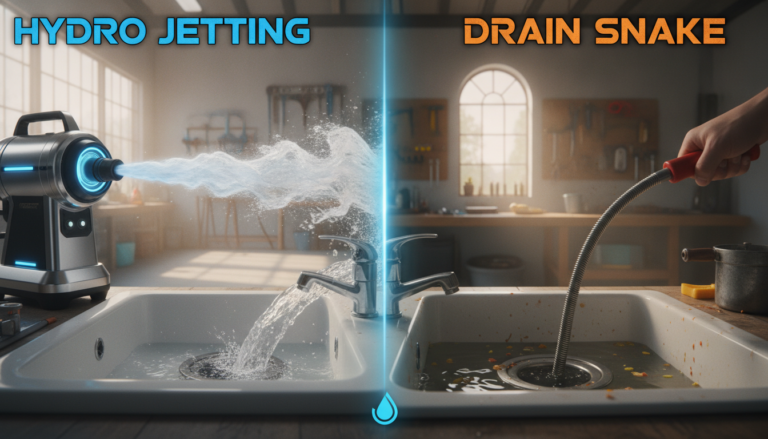
Mechanical cleaning (Drain Snake, Manual Pump)
When grease hardens into a thick mass, mechanical tools provide a direct and effective solution. Here’s how they work:
- Drain snake: Reaches deep, grabs, and removes the clog physically. Works where liquids fail.
- Manual pump: Pushes or pulls blockages, ideal for stubborn clogs beyond the trap.
- Safe and reusable: Requires some skill but is cost-effective and ready for tough blockages.
Used correctly, these tools restore full water flow quickly and efficiently, saving time and money.
When should you call a professional plumber?
Even if you’re hands-on and proactive, some situations require more than DIY efforts. If the same clog keeps coming back or if your sink is showing worrying signs, it might be time to bring in a specialist. Here’s how to know when it’s beyond your control; and what a professional can do to fix it for good.
Warning signs that call for expert help
If your sink drains slowly or smells bad despite your efforts, it’s time to pay attention. These symptoms often point to a serious grease buildup that requires professional intervention. Ignoring them can lead to costly repairs or even flooding.
- Sink takes more than a few seconds to drain
- Persistent or returning bad odors
- Gurgling noises from the pipes
- Water backing up into the sink
- Recurring blockages despite repeated attempts to clear them
When you notice one or more of these signs, don’t wait. Acting early can prevent pipe damage and save you money in the long run.
What a plumber can do that you can’t
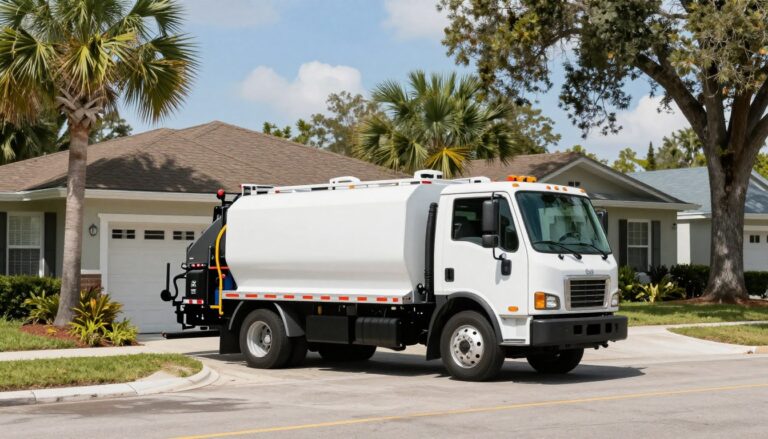
Professional plumbers use tools that homeowners don’t usually have, like hydro-jetters or inspection cameras. These allow them to clean deep within your plumbing and spot hidden issues invisible from the surface. Their precision makes repairs quicker and more effective.Hydro-jetting, in particular, uses high-pressure water to blast away grease buildup. This method not only clears blockages but also leaves pipes clean inside. It’s powerful, thorough, and safe for most plumbing types.
A plumber can also identify root causes like sagging pipes or poor slope, which contribute to recurring grease problems. Their experience helps prevent future issues, giving you peace of mind and saving you time on temporary fixes.
Tips to prevent grease buildup in the future
Once you’ve cleared your pipes, keeping them clean is the next priority. Simple habits and regular routines help prevent future blockages and extend your plumbing’s lifespan.
- Wipe pans with a paper towel before washing to remove excess grease.
- Never pour leftover oil or sauce down the sink, as it sticks inside pipes.
- Use a mesh strainer to catch food scraps before they enter the drain.
- Flush your drain weekly with hot water, vinegar, and baking soda to dissolve minor buildup.
- Apply an enzyme-based cleaner monthly to maintain clean and odor-free pipes.
These small, consistent efforts protect your plumbing and save you time and money on repairs. Grease is sneaky. It builds up slowly, blocks your pipes, and leaves behind odors that linger for days. But with the right habits and regular care, you can avoid costly repairs and keep your kitchen running smoothly.