Cleaning drains seems like a simple task, but it often involves common mistakes that many homeowners make without realizing it. These mistakes lead to recurring problems and costly repairs. Here are the five most frequent mistakes, along with practical advice on how to avoid them.
- Using harsh chemical products
While chemical products might seem like a quick fix, they often do more harm than good. These products can damage your pipes, leading to expensive repairs and more frequent blockages.
Why it’s a mistake
Using chemical products to clear drains is a quick solution, but it can do more harm than good. These harsh chemicals can damage pipes, especially PVC ones, by making them more brittle over time. Additionally, regular use can create residue buildup that worsens the problem, while also being harmful to the environment and your health.
How to avoid it
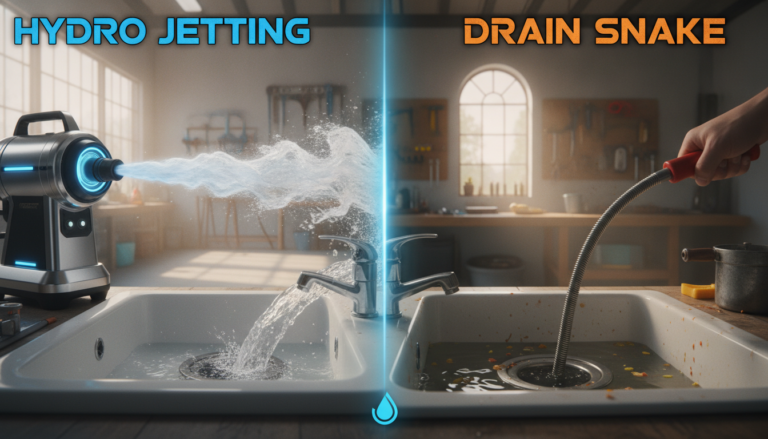
Opt for natural alternatives like enzymatic products or a mixture of baking soda and vinegar. These alternatives clean effectively without damaging your pipes. For stubborn clogs, consider mechanical methods such as hydrojetting, which cleans deeply without resorting to chemicals.
- Not performing preventive maintenance
Prevention is always more effective than repair. Neglecting routine maintenance leads to bigger issues down the line, such as frequent blockages or pipe damage.
Why it’s a mistake
Most people wait until their drains are completely clogged before acting. This delay can lead to more severe damage, such as leaks or pipe breaks. A buildup of debris, grease, and scale can also reduce the efficiency of your pipes in the long run, increasing the risk of frequent blockages.
How to avoid it
It’s essential to perform preventive maintenance every 6 to 12 months. Use a snake or high-pressure cleaner to eliminate small accumulations before they turn into major problems. This not only prevents blockages but also extends the life of your pipes.
- Neglecting tree roots in outdoor pipes
Tree roots may seem like a minor concern, but they are one of the leading causes of damage to outdoor pipes. If left unaddressed, they can lead to severe blockages and expensive repairs.
Why it’s a mistake
Tree roots are one of the leading causes of blockages in outdoor pipes. They infiltrate pipes in search of moisture and can cause cracks or even breaks. Ignoring this problem can lead to expensive and complicated repairs.
How to avoid it
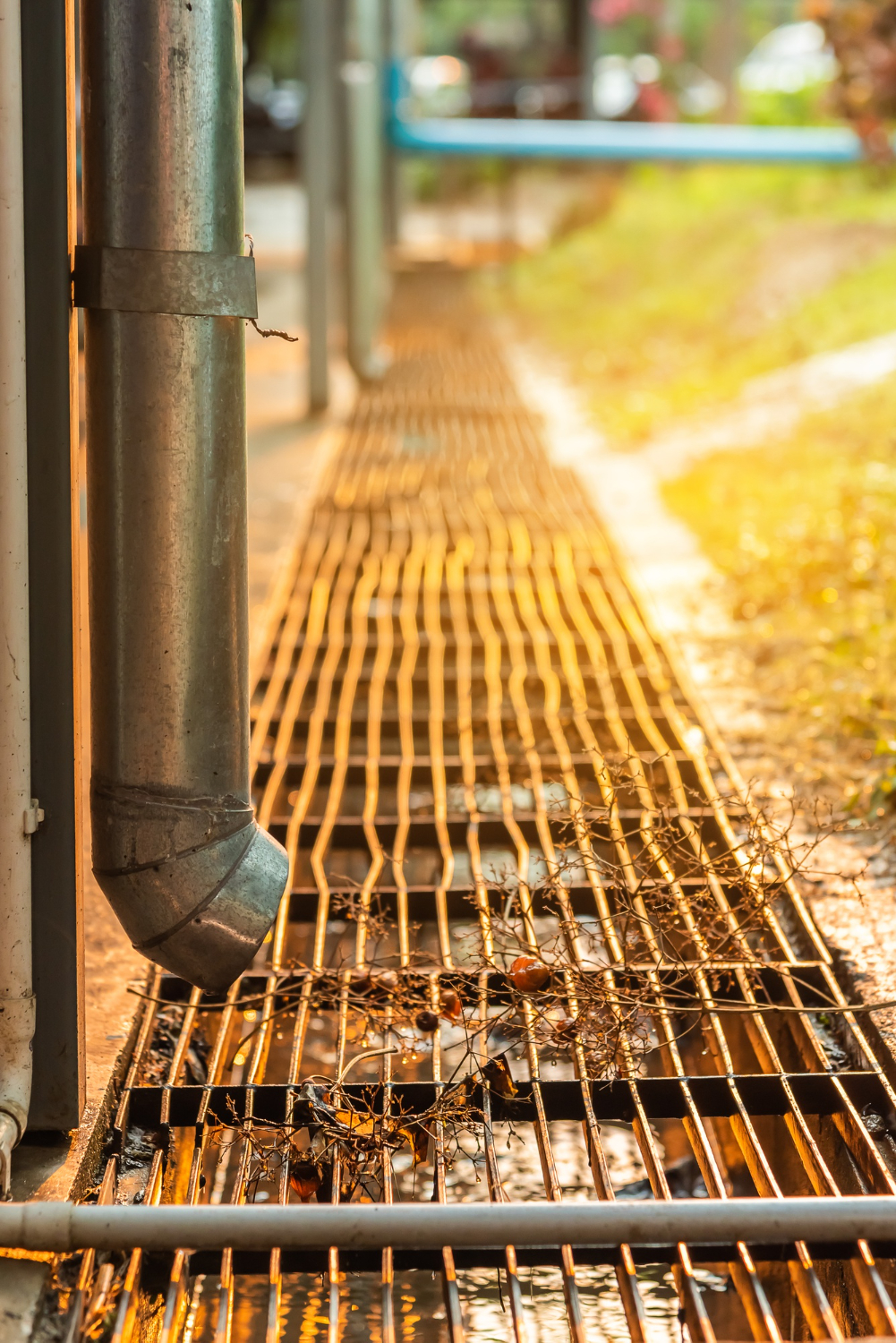
Regularly inspect your pipes, especially if you have trees nearby. Use hydrojetting or a camera inspection to check the condition of the pipes and detect roots before they cause serious damage. In case of problems, it may be necessary to call a professional for a full cleaning and root removal.
- Not choosing the right cleaning method
Not all cleaning methods are suitable for every type of blockage. Using the wrong approach can worsen the situation, sometimes even damaging your pipes.
Why it’s a mistake
Choosing the wrong method for cleaning drains can make the situation worse. For example, using a snake for a greasy clog is ineffective, just as trying to clear a pipe with a chemical product for a mechanical obstruction. These method errors prolong the problem and may even damage your pipes.
How to avoid it
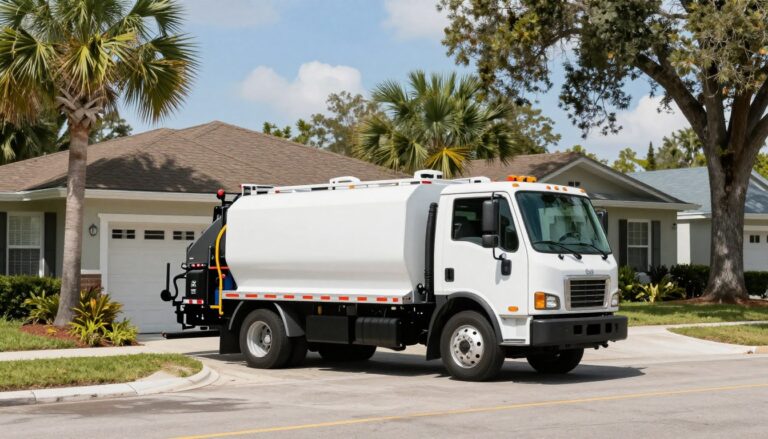
Identify the type of clog before acting. For greasy blockages, high-pressure cleaning or enzymatic products will be more effective. For mechanical blockages, use a snake or, if necessary, call a professional with specialized equipment like hydrojetting for more complex obstructions.
- Ignoring the warning signs of blockages
Drain problems don’t appear overnight. Often, there are warning signs well before a full blockage occurs.
Why it’s a mistake
Drain problems don’t appear overnight. In fact, there are often several warning signs before a full blockage occurs. Ignoring signs like bad odors, slow drainage, or unusual sounds in your pipes can lead to complete blockages and costly repairs.
How to avoid it
Be attentive to the early signs of a problem. If the water drains slowly or unpleasant odors persist, it’s time to clean your pipes. Acting early helps avoid more severe damage. Don’t wait for the situation to worsen before taking action.
Taking care of your pipes requires a little prevention and attention. By avoiding these five common mistakes, you can not only prevent blockages but also extend the lifespan of your pipes. Regular maintenance, choosing the right methods, and early detection are essential keys to avoiding hassle and unexpected costs.
FAQ: Common drain cleaning mistakes and practical solutions
- What is the best way to prevent clogs in kitchen drains?
The best way to prevent clogs in kitchen drains is to avoid pouring grease or food scraps down the sink. Use a drain strainer to catch food particles, and perform regular cleaning with baking soda and vinegar.
- How can I tell if tree roots are blocking my outdoor pipes?
Signs of tree root intrusion include slow drainage, gurgling sounds, or foul odors. A camera inspection can confirm if roots are causing the blockage and whether they need to be removed.
- Are there any natural drain cleaning methods that work for heavy blockages?
While natural methods like baking soda and vinegar are great for regular maintenance, for heavy blockages, using a hydrojet or a professional plumber might be necessary. Enzymatic products can also work for stubborn clogs without damaging pipes.
- Can high-pressure water cleaning damage old pipes?
Yes, if not done properly. Older pipes, especially those made of clay or cast iron, may be more fragile. It’s important to hire a professional who can adjust the pressure to suit your pipes’ condition.
- What are the signs that my drain is severely clogged and needs immediate professional help?
If the water is not draining at all, or if multiple drains are backed up, it’s a sign of a severe clog. Foul odors, gurgling sounds, and water pooling around drains are also indicators that professional help is needed to clear the blockage.