Modern plumbing systems create many points where contaminated water could enter clean supply lines. Backflow preventers stop this reverse flow, protecting your water from pollutants, bacteria, and chemicals. Without them, a simple pressure change could turn safe water unsafe.
What is a backflow preventer and how does it work?
A backflow preventer keeps contaminated water from flowing backward into your clean water system. It creates a reliable barrier so that water moves only in the right direction, protecting your home or building from serious health risks. When pressure drops or fluctuates in your plumbing, dirty water can reverse course and enter drinking water lines. The backflow preventer blocks this immediately, ensuring that your water remains safe and clean at every tap.
Types of backflow that threaten plumbing systems
Several conditions can cause contaminated water to enter clean supply lines. Here are the two main types of backflow you should know:
- Backpressure: This occurs when pressure from downstream exceeds the pressure of the water supply, forcing water back into the system.
- Backsiphonage: This happens when a sudden drop in supply pressure creates suction, pulling contaminated water back into clean pipes.
How a backflow preventer ensures water safety
By using mechanical components like check valves or air gaps, the device isolates contaminated water from potable water lines. This system ensures that cross-connections do not compromise water quality, especially in systems connected to irrigation, industrial equipment, or storage tanks.
Why backflow prevention is essential in modern plumbing
Modern plumbing systems are complex, with many cross-connections where contaminated water can enter. Backflow preventers play a vital role in protecting both health and infrastructure.
Health risks of contaminated water
If polluted water enters your supply, it can carry harmful bacteria, chemicals, or industrial waste. This contamination puts every person in the household at risk and can cause severe illness. Preventing backflow ensures safe, clean water at every faucet.
Regulatory requirements and plumbing codes
Most local codes now require backflow prevention in residential, commercial, and industrial systems. These laws protect public water supplies by enforcing the installation and maintenance of approved devices. Ignoring these rules can lead to penalties and unsafe water conditions.
Common scenarios where backflow can occur
Backflow often happens in systems connected to garden hoses, sprinkler systems, or equipment using chemicals. Situations like water main breaks or fire hydrant use lower supply pressure and increase risk. Recognizing these scenarios helps you understand why a backflow preventer is a key part of any plumbing system.
Read more : Tips to prevent clogs in apartments
Types of backflow preventers used today
Not all systems use the same backflow device. The right choice depends on risk level, system design, and local code.
Air gap
An air gap is a physical separation between water outlets and the flood level of a fixture. This simple, reliable method prevents backflow by design. It’s commonly used in sinks, dishwashers, and tanks.
Reduced Pressure Zone (RPZ) assemblies
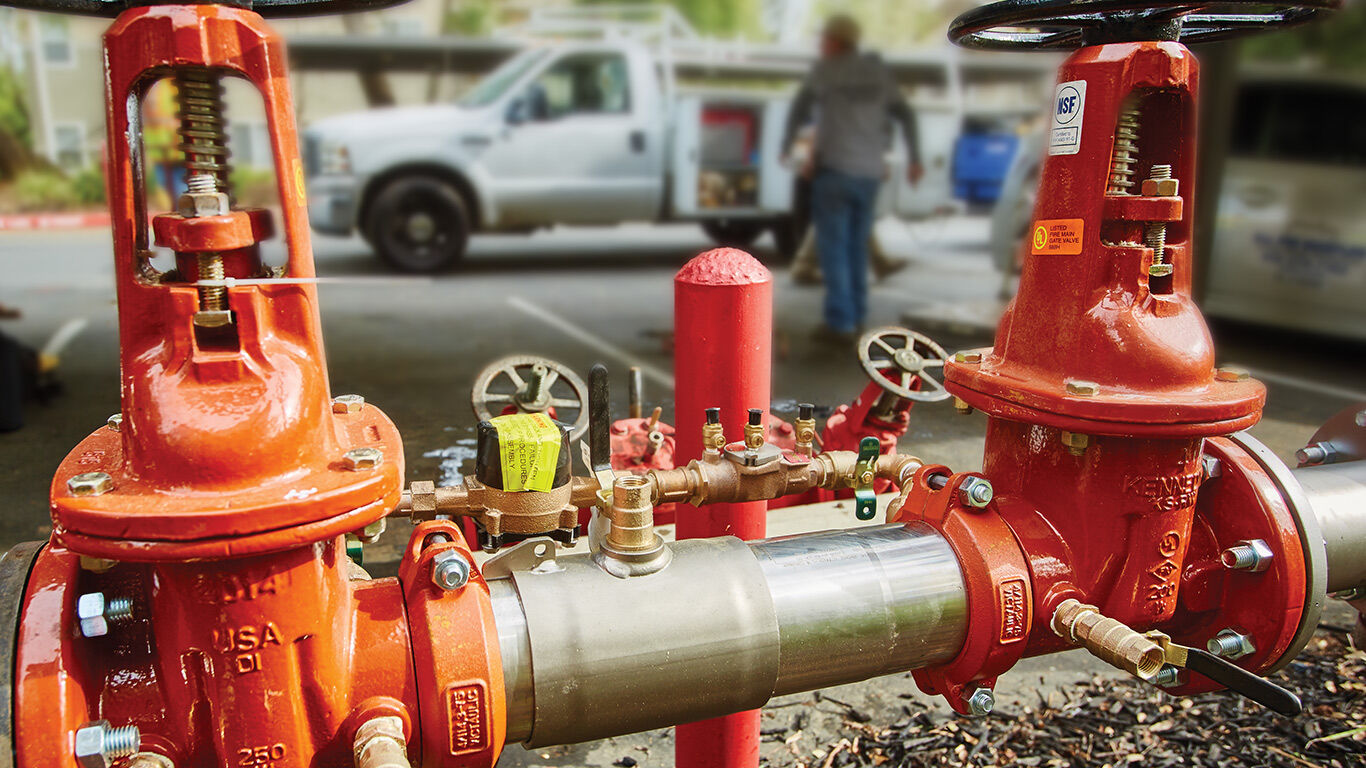
RPZ assemblies protect against both backpressure and backsiphonage. They include valves and a relief valve that discharges water if pressure differences are detected. This type is essential for high-risk connections like commercial irrigation systems or laboratories.
Double Check Valve assemblies (DCV)
DCVs are widely used in moderate-risk scenarios. They include two check valves for added security and are often installed on fire sprinkler systems or small commercial plumbing networks.
Signs your backflow preventer needs maintenance
A faulty backflow preventer exposes your plumbing system to contamination risks. Watch for early signs to act quickly.
Reduced water pressure
If your faucets or fixtures deliver lower pressure than usual, your device may be blocked or malfunctioning. This change signals a need for inspection.
Visible leaks or dripping
Leaking around the backflow preventer indicates wear or damaged seals. Even minor drips suggest internal components are not functioning correctly.
Unusual water taste or odor
A sudden change in water taste or smell can indicate contamination, possibly due to failed backflow prevention. Address this sign immediately to protect water quality.
Read more : Solutions to solve slow drainage problems at home
Best practices for installing and maintaining backflow preventers
Correct installation and care keep your plumbing system safe. Understanding best practices helps you make informed decisions.
Choosing the right device for your system
Select a device that matches the risk level and system design of your property. Consider factors like connection type, water usage, and exposure to contaminants.
Recommended maintenance schedule
Have your device inspected and tested annually by a licensed plumber. This routine check ensures all components operate correctly and identifies wear before failure occurs.
When to call a professional plumber
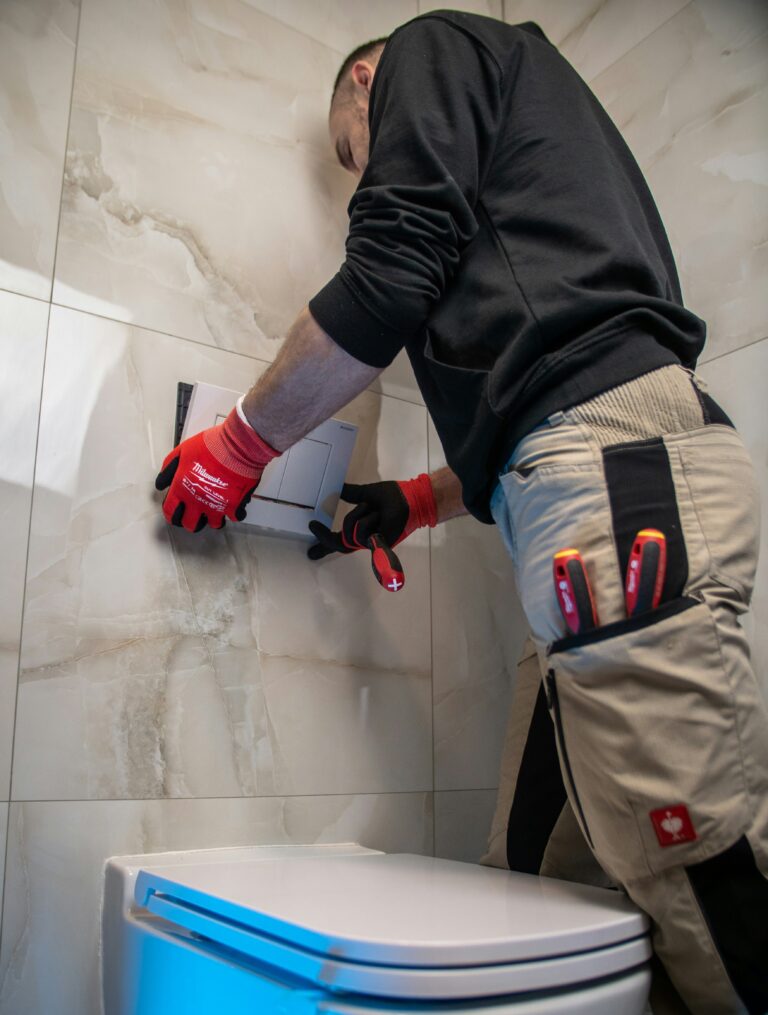
If you notice any warning signs or suspect your backflow preventer is not functioning, contact a qualified plumber. Professional inspection prevents small issues from turning into serious health or property risks.
Backflow preventers protect your water, health, and home. Keeping them in good condition ensures your plumbing system performs safely and reliably every day.