Dealing with a clogged drain in New York City requires more than basic plumbing knowledge. The city’s infrastructure presents unique challenges. Many buildings date back to the 1800s. Cast iron pipes installed before 1900 still serve Brooklyn brownstones today. These old systems need specialized expertise.
NYC residents face drain problems other cities rarely encounter. Shared drain systems in co-op buildings complicate repairs. Dense urban development means constant tree root infiltration. High-rise buildings require different approaches than single-family homes. Finding qualified help matters more than ever.
24/7 Emergency Drain Cleaning Available Now
Licensed NYC contractors ready to handle your drain emergency. Specialized in co-ops, condos, and historic buildings throughout all five boroughs.
Emergency Drain Cleaning Services Available 24/7
Drain emergencies don’t wait for business hours. Water backing up into your apartment at midnight needs immediate attention. Sewage problems in a building threaten health and safety. That’s why emergency drain cleaning services operate around the clock in New York City.
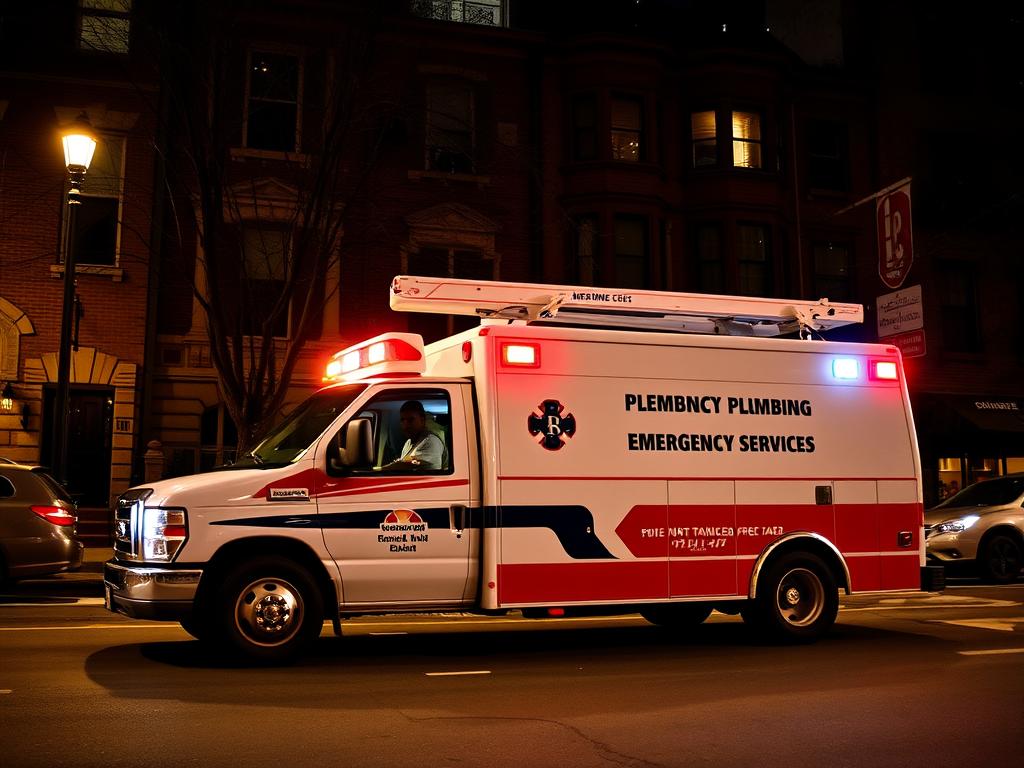
Emergency drain services respond quickly to urgent situations. Technicians arrive equipped for common NYC drain problems. They understand the city’s building codes and requirements. Licensed professionals handle both residential and commercial properties.
Common emergency situations include backed-up floor drains, overflowing toilets in multi-unit buildings, and main sewer line blockages. Each scenario requires different tools and approaches. Experienced teams assess problems quickly and implement solutions efficiently.
What Qualifies as a Drain Emergency
Not every clog requires emergency service, but certain situations demand immediate response. Sewage backing up into living spaces creates health hazards. Water damage spreading to multiple units needs urgent attention. Complete blockages preventing all drainage qualify as emergencies.
Immediate Response Situations
- Sewage backup in living areas
- Water overflow causing property damage
- Complete main line blockage
- Multiple drains backing up simultaneously
- Foul odors indicating sewer gas leaks
Standard Service Situations
- Slow-draining single fixtures
- Minor kitchen sink clogs
- Shower drain slowdowns
- Preventive maintenance needs
- Scheduled camera inspections
Response Times Across NYC Boroughs
Service providers maintain teams throughout the five boroughs. Manhattan locations typically see the fastest response times due to traffic patterns. Brooklyn and Queens services cover extensive residential areas. The Bronx and Staten Island receive dedicated attention from specialized crews.
Most emergency services aim for arrival within one to two hours. Heavy traffic or severe weather may extend response times. Calling early increases the likelihood of same-day service. Providers prioritize calls based on severity and safety concerns.
Understanding NYC’s Century-Old Drain Infrastructure
New York City’s sewer system represents over 150 years of development. Many Manhattan neighborhoods still use pipes installed in the mid-1800s. Brooklyn’s brownstone district contains original cast iron drain lines from before 1900. This aging infrastructure creates unique cleaning challenges.
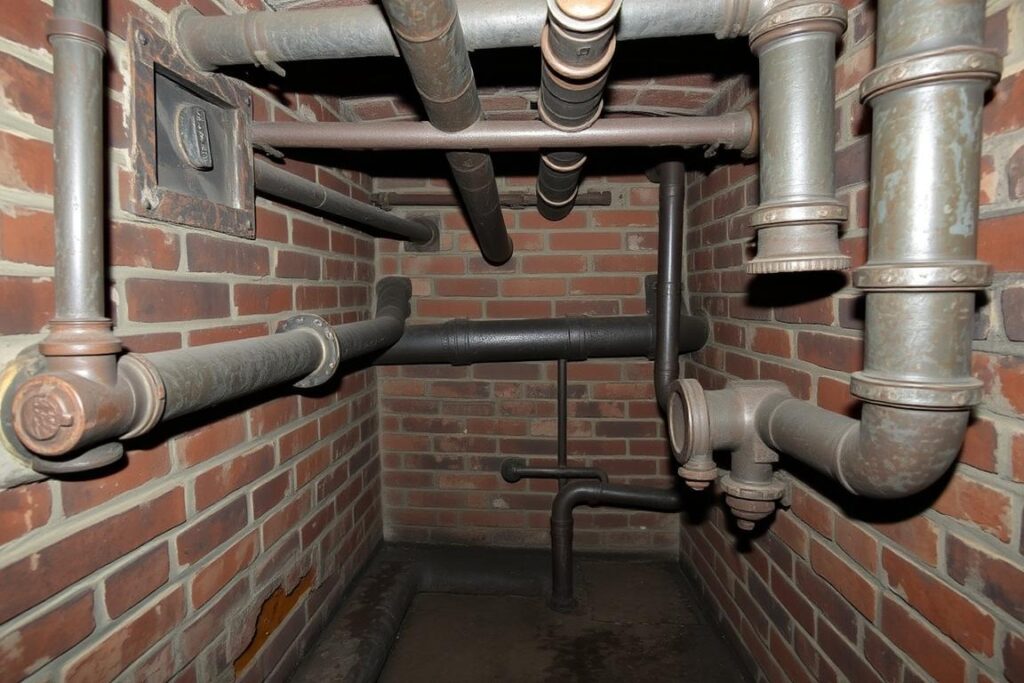
Cast iron pipes deteriorate over decades of use. Interior surfaces develop rough patches that catch debris. Corrosion weakens pipe walls, leading to cracks and leaks. Root systems find their way into older sewer lines through tiny openings. Understanding these conditions helps address drainage problems effectively.
Common Issues in Pre-1900 Buildings
Buildings constructed before 1900 face specific drainage challenges. Original pipe materials include clay tile, cast iron, and early steel. These materials degrade differently than modern PVC or ABS plastic. Clay tiles crack and separate at joints. Cast iron develops rust scale that narrows pipe interiors.
- Collapsed clay tile sections in main sewer lines
- Rust scale buildup reducing pipe capacity
- Offset joints from building settlement
- Root intrusion through deteriorated pipe sections
- Outdated drain sizing for modern usage patterns
Many brownstones and tenement buildings share common drain systems. One clog can affect multiple units. Repairs often require coordination among several property owners. NYC building codes govern work on shared systems, requiring licensed contractors for most repairs.
High-Rise Building Drain Systems
High-rise buildings present different challenges than low-rise structures. Vertical drain stacks extend dozens of floors. Pressure differences affect drainage flow. Venting systems become more complex in tall buildings. Specialized equipment reaches problems in upper floors.
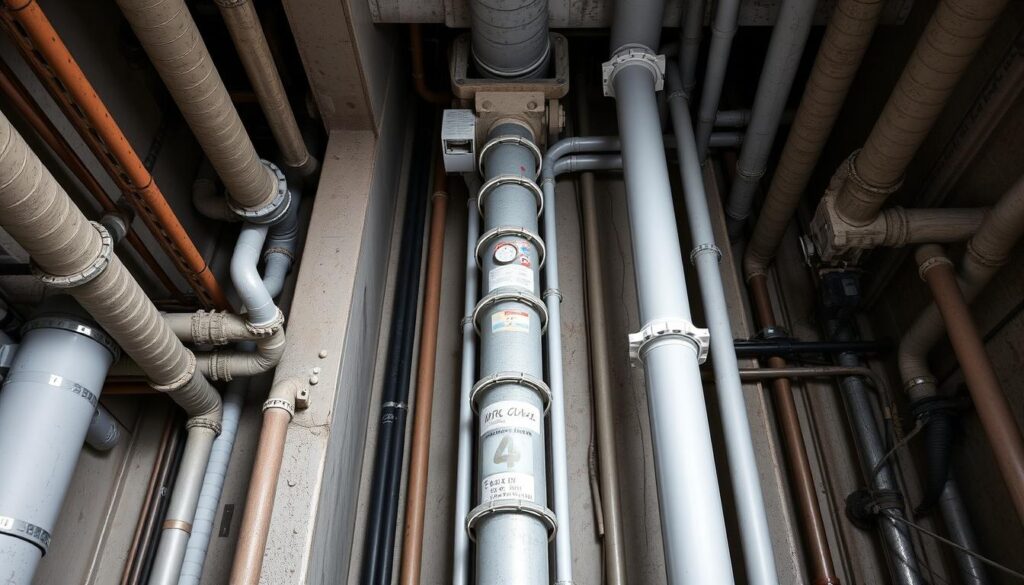
Clogs in high-rise stacks often originate on lower floors but affect units above. Grease accumulation builds up over years of use. Foreign objects dropped down drains create blockages. Camera inspection helps locate problems in vertical systems. Professional teams use specialized techniques for high-rise drain cleaning New York properties.
Expert Help for NYC’s Unique Plumbing Infrastructure
Our network includes specialists experienced with century-old buildings, co-op systems, and high-rise structures. Licensed contractors understand NYC building codes and requirements.
Professional Drain Cleaning Methods for NYC Properties
Professional drain cleaning uses several techniques depending on the blockage type and pipe condition. Technicians select methods based on the specific problem. Older pipes require gentler approaches. Modern systems tolerate more aggressive cleaning. Understanding available methods helps property owners make informed decisions.
Cable Snaking for Standard Clogs
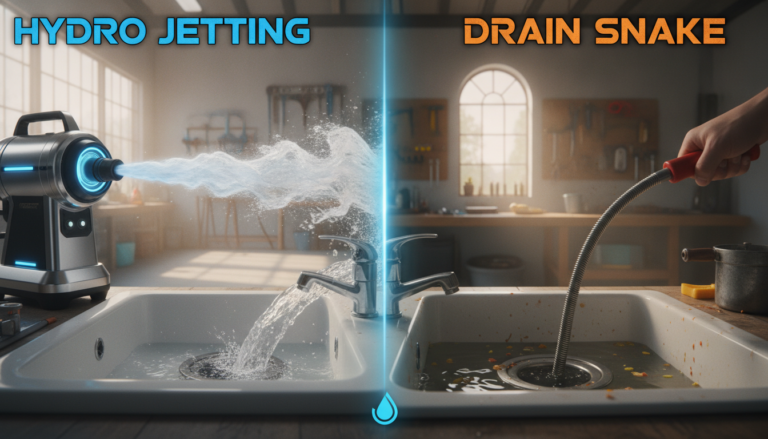
Cable snaking remains the most common drain cleaning method. A flexible steel cable rotates through the pipe, breaking up blockages. Different cable sizes handle various pipe diameters. Cutting heads attach to cables for stubborn clogs. This method works well for hair, soap, and organic material buildup.
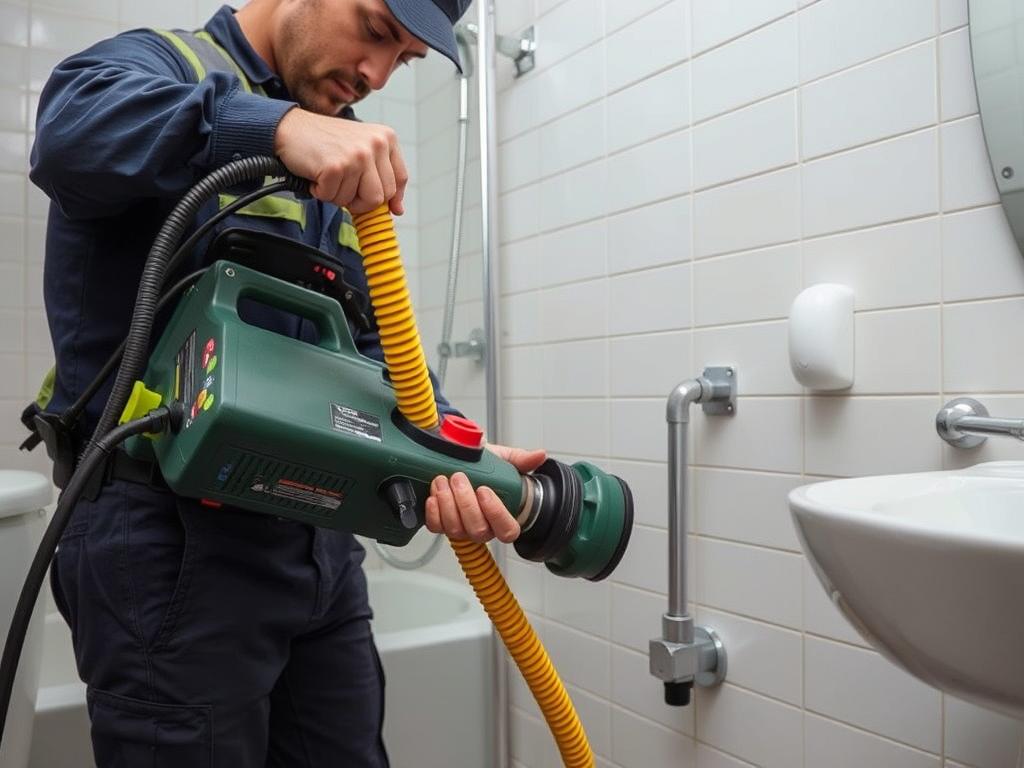
Snaking clears most household drain problems effectively. The process takes thirty minutes to two hours depending on clog severity. Technicians use camera inspection before and after snaking in complex cases. This method minimizes disruption to daily activities. Cost remains reasonable for standard applications.
Hydro Jetting for Severe Blockages
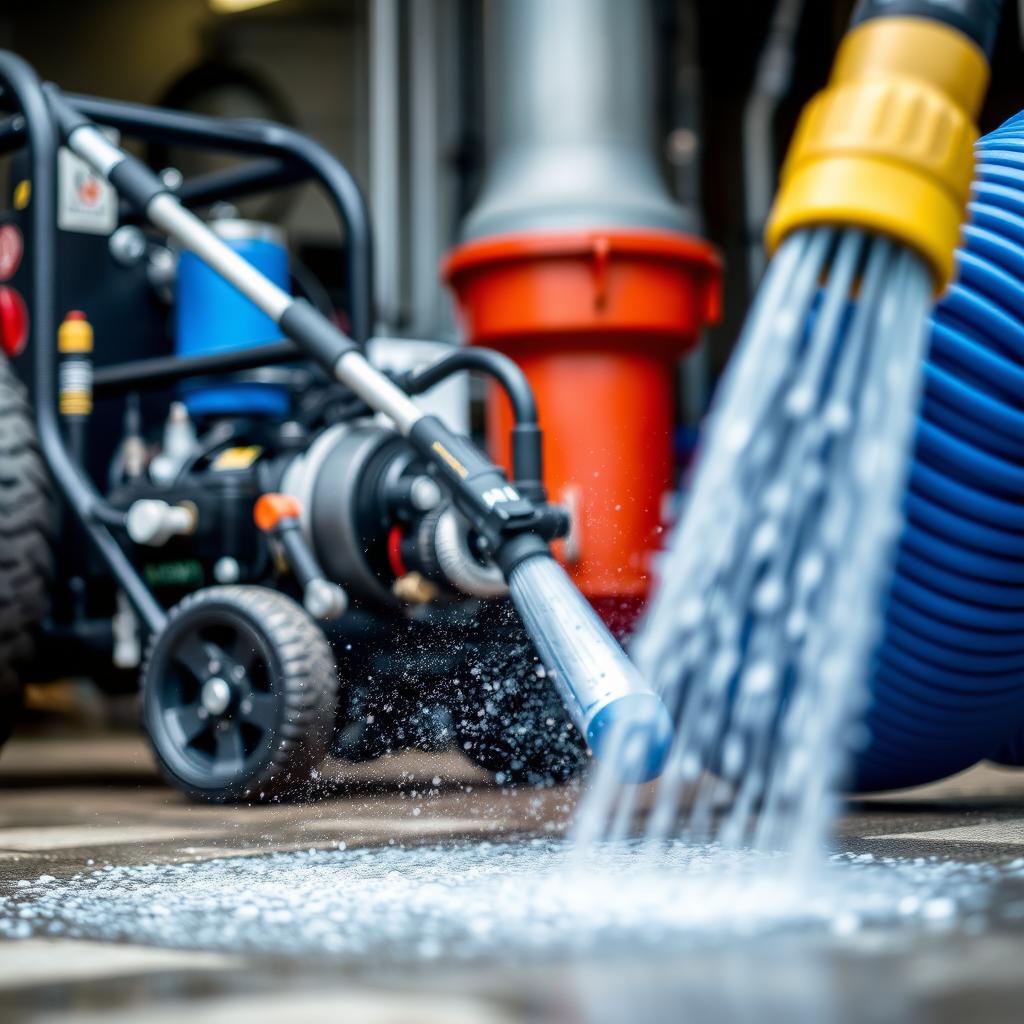
Hydro jetting uses high-pressure water streams to clean pipes thoroughly. Water pressure reaches 3,000 to 4,000 PSI. This force removes grease, scale, and tree roots from pipe interiors. The process clears blockages and cleans pipe walls simultaneously. Hydro jetting provides the most thorough cleaning available.
This method works exceptionally well for main sewer line problems. Restaurants and commercial properties benefit from regular hydro jetting. The process removes grease accumulation that causes recurring clogs. Tree root infiltration responds well to high-pressure water cutting. Older cast iron pipes require careful pressure adjustment to prevent damage.
When to Use Hydro Jetting
- Severe grease buildup in commercial drains
- Tree root infiltration in sewer lines
- Complete pipe blockages
- Recurring drain problems
- Preventive maintenance for main lines
- Scale removal in old cast iron pipes
Camera Inspection Technology
Camera inspection provides visual assessment of drain and sewer conditions. Waterproof cameras travel through pipes on flexible cables. High-resolution images show blockage locations and pipe conditions. Technicians identify problems without excavation. This technology saves time and reduces unnecessary digging.
Cameras reveal hidden issues that affect drainage performance. Cracks, offsets, and root intrusion become visible. Video recordings document conditions for insurance claims or building assessments. The inspection process typically adds minimal time to service calls. Many NYC properties benefit from periodic camera inspections as preventive maintenance.
Co-op and Condo Drain Problems in NYC Buildings
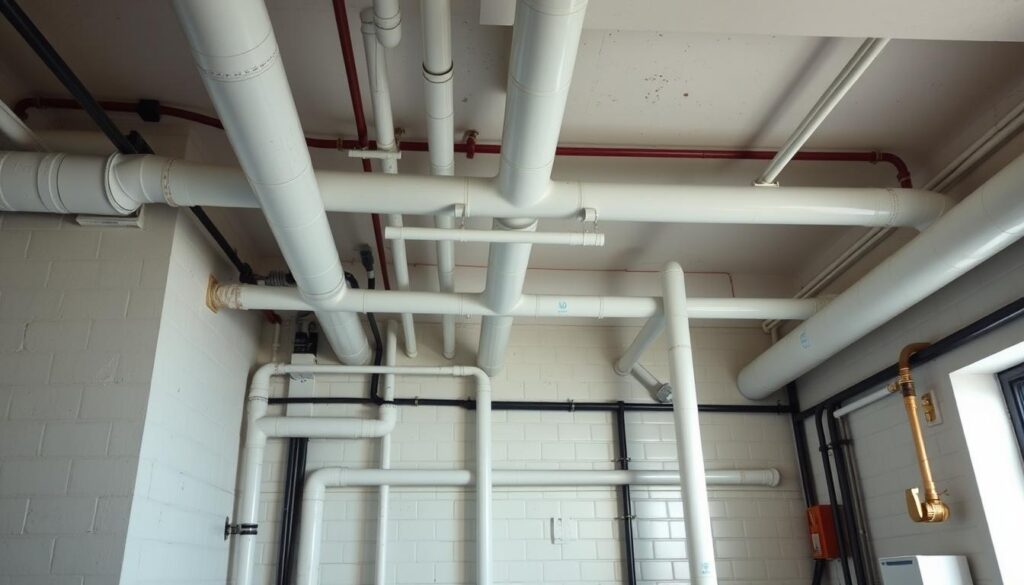
Co-op and condo buildings face unique drainage challenges. Shared plumbing systems connect multiple units. One resident’s drain problem can affect neighbors above or below. Building management must coordinate repairs carefully. NYC building codes require specific procedures for multi-unit plumbing work.
Shared Drain System Complications
Shared systems mean individual actions affect multiple households. Grease poured down one kitchen drain accumulates in common lines. Foreign objects flushed by one resident create blockages for everyone. Building associations must establish clear maintenance policies. Regular preventive service reduces emergency situations.
Responsibility for repairs depends on pipe locations. Building associations typically maintain common lines. Individual unit owners handle drains within their apartments. The transition point between private and common systems sometimes creates disputes. Clear documentation in building bylaws helps prevent conflicts.
Building Code Requirements for Multi-Unit Work
NYC building codes impose strict requirements on multi-unit plumbing work. Licensed master plumbers must supervise major repairs. Permits may be necessary for certain types of work. Work affecting multiple units requires additional documentation. Building management must verify contractor licensing before authorizing work.
- Master plumber license required for main line work
- Department of Buildings permits for structural access
- Insurance requirements for work in occupied buildings
- Notification requirements for affected residents
- Inspection requirements for completed work
Contractors working in co-ops and condos must understand these requirements. Proper licensing protects building associations from liability. Documentation ensures compliance with building codes. Experienced professionals navigate these requirements routinely. Property managers should verify credentials before hiring any service provider.
Connect with Licensed NYC Drain Specialists
Find contractors experienced with co-op and condo regulations. Our network includes only licensed professionals familiar with NYC building codes and multi-unit requirements.
Drain Cleaning Across NYC Neighborhoods
Each NYC neighborhood presents distinct drainage challenges. Brooklyn Heights brownstones differ from Midtown Manhattan high-rises. Flushing’s residential density creates different issues than Bronx Park areas. Understanding neighborhood-specific problems helps property owners prepare for potential issues.
Brooklyn Heights and Park Slope Brownstones
Brooklyn’s historic brownstone neighborhoods feature beautiful architecture and aging plumbing. Original cast iron drain lines serve many properties. Tree-lined streets create constant root infiltration problems. Shared walls between row houses complicate individual repairs. These neighborhoods require specialists familiar with historic building systems.
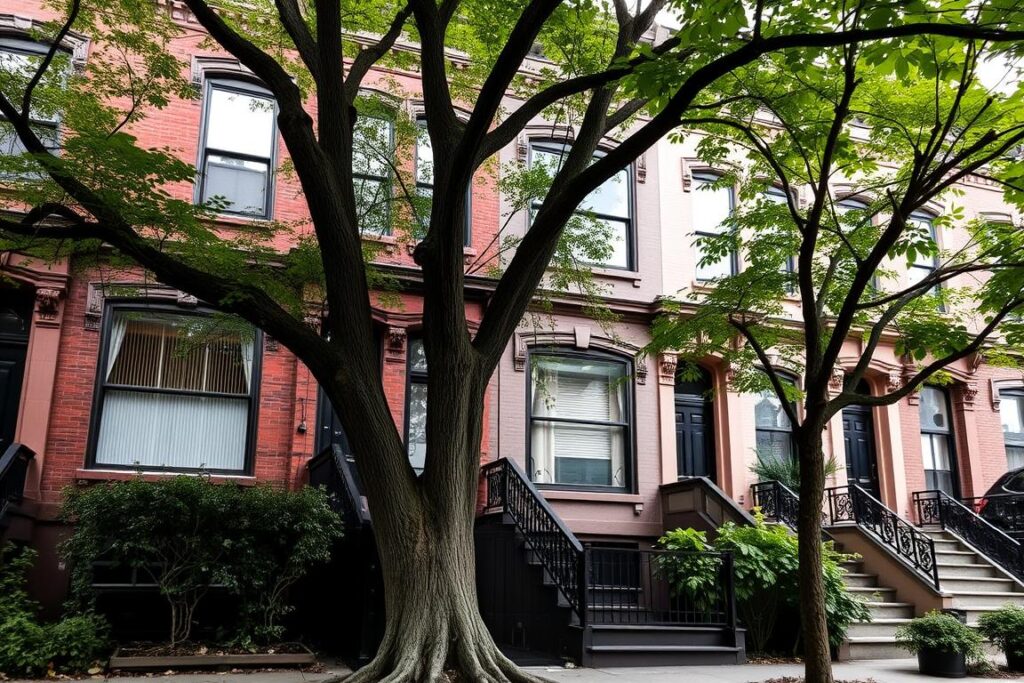
Mature tree roots aggressively seek water sources. London plane trees common in Brooklyn send roots dozens of feet laterally. These roots infiltrate sewer lines through tiny cracks. Annual root removal becomes necessary for many properties. Hydro jetting effectively cuts roots but doesn’t prevent regrowth.
Manhattan High-Rise Buildings
Midtown Manhattan and Lower East Side high-rises face vertical drainage challenges. Drain stacks extend twenty, thirty, or more floors. Venting systems become complex in tall structures. Access for repairs requires special equipment and techniques. These buildings need contractors experienced with high-rise systems.
Grease accumulation becomes severe in buildings with many units. Years of cooking waste build up in vertical stacks. Regular maintenance prevents complete blockages. Camera inspection identifies problem areas before emergencies develop. Preventive service costs less than emergency repairs.
Queens and Bronx Residential Areas
Astoria, Flushing, and Bronx Park contain dense residential development. Single-family homes and small apartment buildings dominate these areas. Tree root problems remain common due to mature landscaping. Older infrastructure requires regular maintenance. These neighborhoods benefit from established local service providers.
Brooklyn Challenges
- Historic cast iron pipes
- Tree root infiltration
- Shared brownstone systems
- Original 1800s infrastructure
Manhattan Challenges
- High-rise vertical stacks
- Complex venting systems
- Grease accumulation
- Multi-floor coordination
Queens/Bronx Challenges
- Dense residential development
- Mature tree root systems
- Aging suburban infrastructure
- Mixed property types
How to Connect with a Local NYC Drain Specialist
Finding the right drain cleaning contractor requires attention to several factors. Licensing, experience, and local knowledge all matter. NYC’s regulatory environment demands properly credentialed professionals. The selection process protects property owners from liability and ensures quality work.
Essential Contractor Qualifications
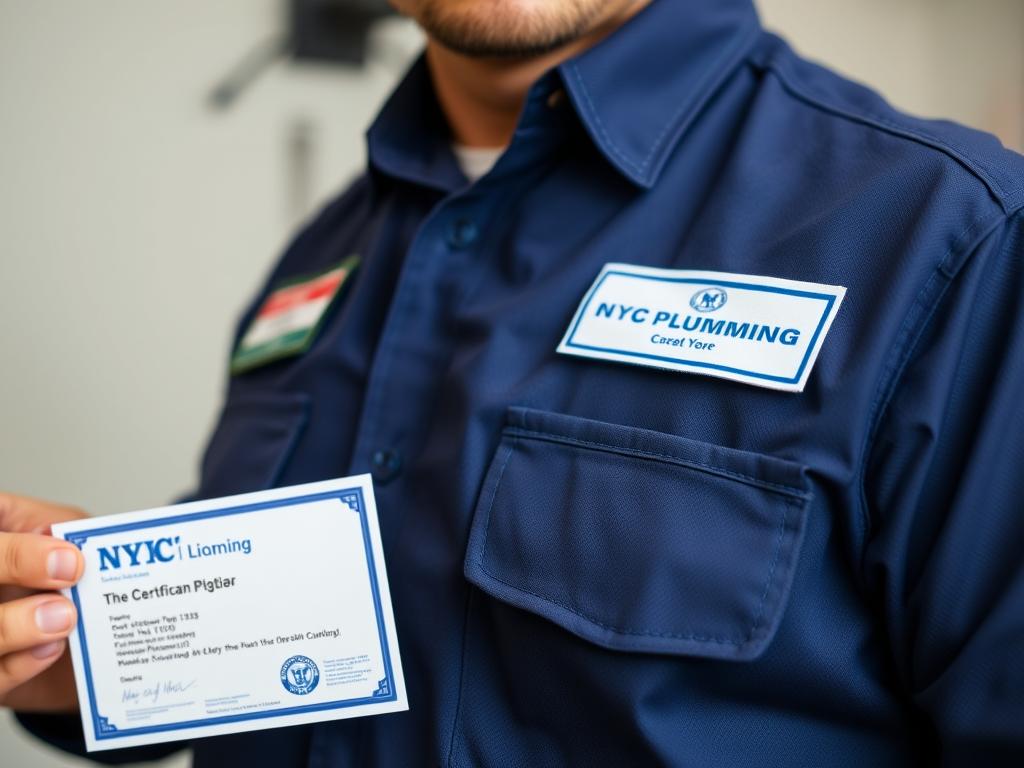
Every plumbing contractor working in NYC must hold proper licensing. Master plumbers supervise significant work. Journeyman plumbers perform day-to-day services. Apprentices work under supervision. Verify licensing through the NYC Department of Buildings website. Licensed contractors carry insurance protecting property owners from liability.
- NYC master plumber license for major work
- Current business liability insurance
- Workers compensation coverage for employees
- Department of Buildings registration
- References from similar properties
- Experience with your building type
Questions to Ask Before Hiring
Ask specific questions about licensing and experience. Determine if the contractor has worked on buildings similar to yours. Brownstone experience differs from high-rise expertise. Request references from recent jobs in your neighborhood. Established contractors readily provide this information.
Inquire about equipment and methods. Modern camera inspection technology provides valuable information. Hydro jetting capability matters for severe blockages. Emergency availability becomes important for rental properties. Clear communication about pricing prevents surprises. Reputable contractors explain their processes thoroughly.
Understanding Service Areas and Response Times
Most drain cleaning services operate within specific geographic areas. Some focus on Manhattan, others on outer boroughs. Service area affects response times during emergencies. Local providers typically respond faster than distant companies. Ask about typical response times for your zip code.
The following zip codes receive regular service throughout NYC: 10001, 10002, 10003 in Manhattan; 11201, 11211, 11215 in Brooklyn; 10451 in the Bronx; and 11354 in Queens. Contractors familiar with these areas understand local infrastructure challenges. They maintain relationships with supply houses and equipment providers nearby.
Preventive Drain Maintenance for NYC Properties
Prevention costs less than emergency repairs. Regular maintenance keeps drains flowing freely. Simple habits prevent most common clogs. Professional preventive service extends system life. NYC property owners benefit from proactive approaches to drain care.
Daily Habits That Prevent Clogs
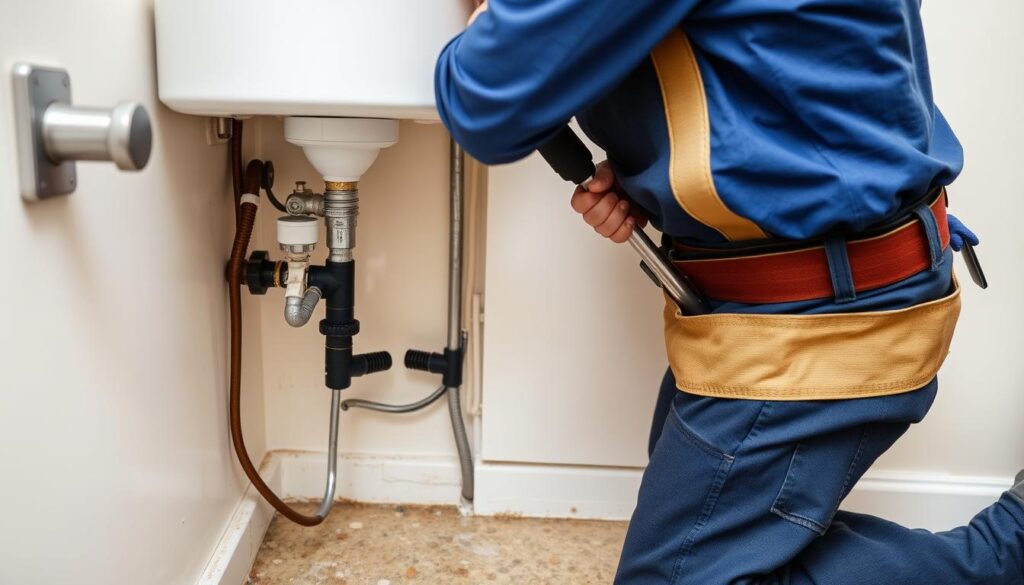
Simple daily practices prevent many drain problems. Never pour grease down kitchen drains. Use drain screens to catch hair and debris. Run hot water after each sink use. These small actions prevent accumulation. Residents and property managers should establish clear guidelines for drain use.
Kitchen disposal units require proper use. Not all food waste belongs in disposals. Avoid grinding fibrous vegetables, coffee grounds, and starchy foods. Run cold water during disposal operation. These practices prevent clogs and extend disposal life. Education reduces maintenance calls significantly.
Professional Maintenance Schedules
Annual professional drain cleaning prevents emergencies. Restaurants and commercial kitchens need quarterly service. Multi-unit buildings benefit from semi-annual main line cleaning. Camera inspection every two to three years identifies developing problems. Preventive maintenance costs less than emergency service.
Residential Schedule
- Annual main sewer line inspection
- Camera inspection every 2-3 years
- Kitchen drain cleaning as needed
- Immediate attention to slow drains
Commercial Schedule
- Quarterly grease trap maintenance
- Monthly drain treatment in kitchens
- Semi-annual hydro jetting service
- Annual comprehensive camera inspection
Frequently Asked Questions About Drain Cleaning in NYC
How much does emergency drain cleaning cost in New York City?
Emergency drain cleaning costs vary based on several factors. Time of day affects pricing, with overnight service typically costing more. Problem severity determines labor time required. Straightforward clogs cost less than main sewer line blockages. Equipment needs also affect pricing. Hydro jetting costs more than cable snaking. Most emergency calls range from several hundred to over a thousand dollars depending on complexity.
Location within NYC influences pricing due to travel time and parking challenges. Manhattan services often cost more than outer boroughs. Building type matters too. High-rise work requires specialized equipment and additional labor. Get specific pricing information when calling for service. Reputable contractors provide clear cost estimates before beginning work.
Do I need a licensed plumber for drain cleaning in NYC?
NYC building codes require licensed plumbers for most drain cleaning work. Simple drain snaking in individual apartments may not require licensing. However, work on main sewer lines demands a licensed master plumber. Multi-unit building work requires proper licensing and permits. Using unlicensed contractors exposes property owners to liability.
Licensed plumbers carry insurance protecting property owners from damage claims. They understand NYC building codes and inspection requirements. Department of Buildings can issue violations for unlicensed work. Co-op and condo boards should verify contractor licensing before authorizing any plumbing work. Always request to see current licensing documentation.
How long does professional drain cleaning take?
Service duration depends on problem complexity and access difficulty. Simple sink drain cleaning takes thirty minutes to one hour. Main sewer line blockages require two to four hours. Camera inspection adds thirty minutes to one hour. Hydro jetting takes longer than cable snaking due to setup requirements.
High-rise buildings require more time for equipment transport. Accessing drains in finished spaces takes longer than utility room work. Multiple-unit problems extend service time. Technicians provide time estimates after initial assessment. Emergency situations may take longer due to problem severity. Schedule flexibility helps accommodate unexpected complications.
Can tree roots damage my sewer line in NYC?
Tree roots cause significant damage to NYC sewer lines. Mature trees send roots dozens of feet searching for water. Microscopic cracks in pipes allow root entry. Once inside, roots grow rapidly and create blockages. London plane trees, common throughout NYC, aggressively invade sewer lines. Brooklyn and Queens neighborhoods with mature landscaping experience frequent root problems.
Root infiltration starts small but worsens over time. Annual root removal prevents complete blockages. Hydro jetting cuts roots effectively but doesn’t prevent regrowth. Severe root damage may require pipe replacement. Camera inspection shows root invasion extent. Properties with large trees need regular preventive maintenance to avoid emergency situations.
What causes recurring drain clogs in my NYC apartment?
Recurring clogs indicate underlying problems beyond simple blockages. Old cast iron pipes develop rough interiors that catch debris. Improper drain slope prevents complete drainage. Venting problems create slow drainage that feels like clogs. Scale buildup narrows pipe interiors over time. Tree root infiltration causes regular blockages.
Shared building systems mean problems may originate elsewhere. Grease from upper floor kitchens accumulates in lower pipes. Foreign objects flushed by neighbors create blockages. Building-wide issues require management intervention. Camera inspection identifies root causes of recurring problems. Addressing underlying issues prevents repeated service calls and saves money long-term.
Get Expert Answers and Professional Service
Still have questions about your drain problem? Our network of licensed NYC contractors can assess your specific situation and provide expert recommendations.
Professional Drain Cleaning Services Throughout NYC
New York City’s unique infrastructure demands specialized drain cleaning expertise. Century-old pipes, high-rise buildings, and dense urban development create challenges found nowhere else. Professional service providers understand these conditions. They bring appropriate equipment and knowledge to every job.
Whether dealing with a Brooklyn brownstone’s cast iron pipes or a Manhattan high-rise’s vertical drainage system, the right contractor makes the difference. Licensed professionals protect property owners from liability. Experience with NYC building codes ensures compliant work. Local knowledge means faster response times and better outcomes.
Emergency situations require immediate professional attention. Preventive maintenance reduces emergency frequency. Understanding available methods helps property owners make informed decisions. From Williamsburg to Astoria, from Park Slope to the Bronx, qualified drain cleaning services keep NYC’s aging infrastructure functioning.
Connect with NYC Drain Cleaning Specialists Today
Don’t let drain problems disrupt your property. Our network connects you with licensed, experienced contractors throughout all five boroughs. Available 24/7 for emergencies and scheduled maintenance.
This site is a free service to assist homeowners in connecting with local service contractors. All contractors are independent and this site does not warrant or guarantee any work performed. It is the responsibility of the homeowner to verify that the hired contractor furnishes the necessary license and insurance required for the work being performed. All persons depicted in a photo or video are actors or models and not contractors listed on this site.