Owning a historic property in our city is a true privilege. These architectural gems define our skyline, yet they often hide complex plumbing challenges beneath their beautiful facades.
Maintaining these aging systems requires a proactive approach. This ensures your residence remains a comfortable sanctuary. This drain cleaning Philadelphia PA guide offers the essential knowledge you need to protect your investment for years to come.
By understanding the unique needs of older infrastructure, you can prevent costly emergencies before they start. Let us explore how to keep your home running smoothly while honoring its rich history.
Key Takeaways
- Historic homes require specialized maintenance for aging pipe systems.
- Proactive care prevents major water damage and structural issues.
- Modern techniques can safely restore older plumbing infrastructure.
- Regular inspections help identify hidden leaks or blockages early.
- Protecting your property value starts with reliable maintenance habits.
Understanding the Unique Plumbing Challenges of Philadelphia Rowhomes
Owning a piece of Philadelphia history comes with hidden complexities. These homes have old home plumbing systems that have lasted for decades. Taking care of these systems ensures your home stays comfortable for years.
Common Pipe Materials in Historic Philadelphia Properties
Many historic rowhomes use materials not seen in modern homes. You’ll often find heavy cast iron pipes, which are durable but can rust and scale over time. Orangeburg pipes, made of wood pulp and tar, are also common.
These materials have a limited lifespan and can’t handle modern usage. Understanding what lies behind your walls is key to maintenance. Replacing these old components is often necessary for peace of mind.
The Impact of Aging Sewer Lines on Drainage Efficiency
The condition of your Philadelphia sewer lines is crucial for your home’s health. As these pipes age, they can corrode, crack, and collapse. This leads to slow drainage and frequent backups.
When pipes lose their smooth surface, debris gets stuck, causing clogs. This cycle of blockage and repair is exhausting. It’s important to watch how your system performs to keep it efficient.
| Pipe Material | Typical Lifespan | Common Issue |
|---|---|---|
| Cast Iron | 50-75 Years | Internal Corrosion |
| Orangeburg | 30-50 Years | Structural Collapse |
| PVC/Modern | 80+ Years | Joint Leaks |
Identifying Signs of Impending Drain Failure
Your home often gives subtle clues before a plumbing disaster. Listen for gurgling sounds from your drains, which can mean trapped air or a blockage. If many fixtures drain slowly at once, it’s a sign of a problem with your Philadelphia sewer lines.
Don’t ignore these signs, as they rarely fix themselves. Addressing these issues early prevents water damage and expensive repairs. Being vigilant is key for a homeowner managing old home plumbing well.
Essential Tools for Every Philadelphia Homeowner
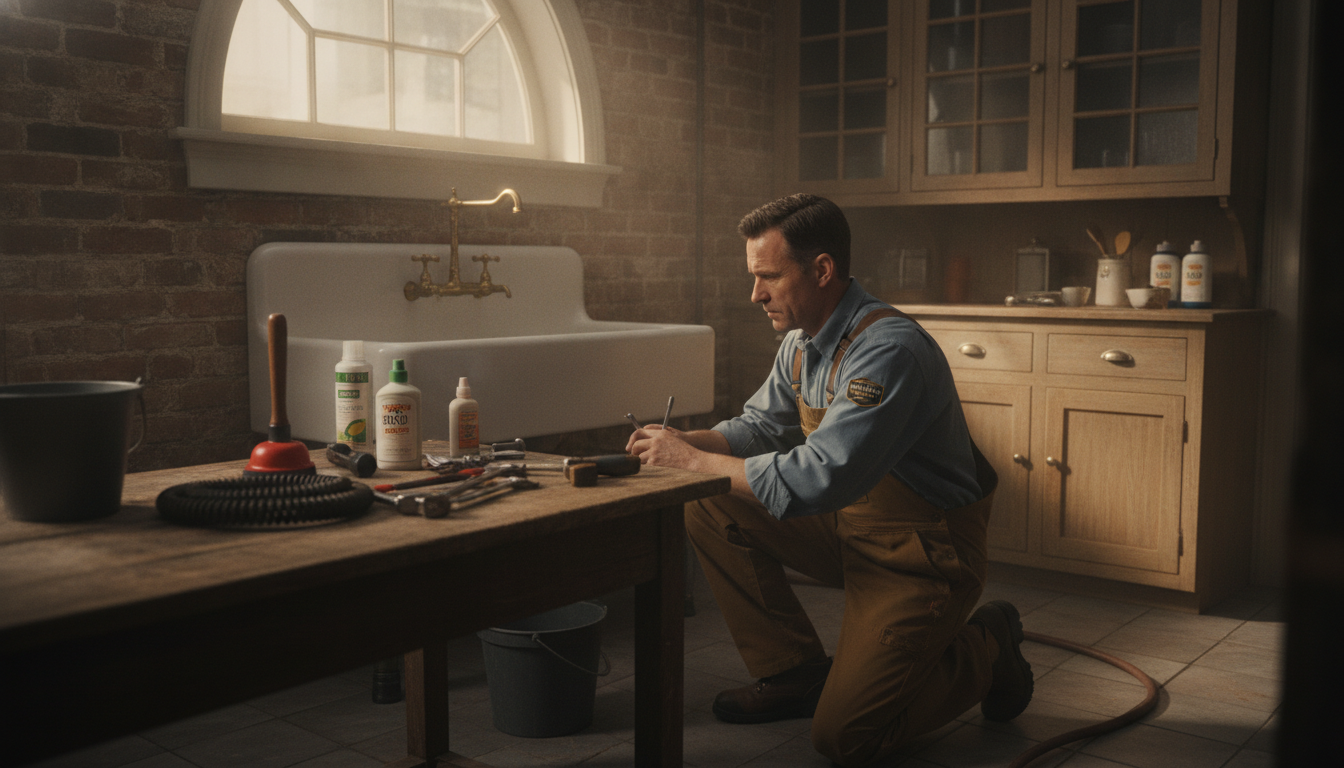
Starting a good toolkit is key for DIY drain maintenance in your old home. The right tools help you fix small problems before they get big. This way, you can handle common plumbing issues with confidence.
Manual Tools for Minor Clogs
For small blockages, simple tools are best. A good flange plunger quickly clears sink and toilet clogs. Also, a plastic drain snake or stiff-bristled brush removes hair and debris from bathroom traps without harming old pipes.
Mechanical Augers and Snakes for Deeper Blockages
For clogs deeper in the pipes, manual tools won’t do. Motorized augers use strong motors to push steel cables deep into the pipes. They break up tough clogs, helping with DIY drain maintenance in old rowhomes.
Safety Gear and Protective Equipment
Your safety is most important when working on pipes. Wear heavy-duty rubber gloves to protect against bacteria and harsh chemicals. Also, protective eyewear keeps your eyes safe from splashes.
| Tool Type | Best Use Case | Skill Level |
|---|---|---|
| Flange Plunger | Surface sink/toilet clogs | Beginner |
| Drain Brush | Hair and soap buildup | Beginner |
| Motorized Auger | Deep, stubborn blockages | Intermediate |
| Safety Goggles | All plumbing tasks | Essential |
Keeping your tools organized makes DIY drain maintenance safer and more efficient. Quality tools today save you time and stress later.
Step-by-Step Drain Cleaning Philadelphia PA Guide
Dealing with a stubborn clog in your Philadelphia home can seem daunting. But, a step-by-step approach can make a big difference. This drain cleaning Philadelphia PA guide helps you take control of your plumbing. Acting quickly can prevent small problems from becoming big headaches.
Assessing the Severity of the Clog
First, figure out if the clog is in one spot or everywhere. Check other drains in your home. If they’re slow too, it’s likely a main sewer line issue.
A clog in one sink or basin is usually just that. But, if water backs up in the basement or toilets bubble, get help fast. Knowing the extent of the problem is key.
Clearing Sink and Basin Drains
Kitchen and bathroom sink clogs often come from hair, soap, or food. Start by taking out the stopper or strainer. Look for any visible blockages and remove them by hand.
If you still can’t clear it, use a small handheld sink auger. Push the cable into the drain and turn it slowly. Be gentle to avoid damaging the pipes.
Addressing Toilet and Floor Drain Obstructions
Toilets need a special tool called a closet auger to avoid damage. These tools have a sleeve to protect the bowl. Feed the auger into the drain until you hit resistance, then turn it to clear the blockage.
Floor drains in basements collect dirt and debris. Remove the grate and clean off any surface dirt before using a snake. Always wear safety gear when working with floor drains.
Natural and Eco-Friendly Cleaning Methods
You can keep your drainage system healthy with natural, gentle solutions. Many people find that regular DIY drain maintenance stops debris buildup early. Using non-toxic ingredients helps keep your plumbing safe and your home fresh.
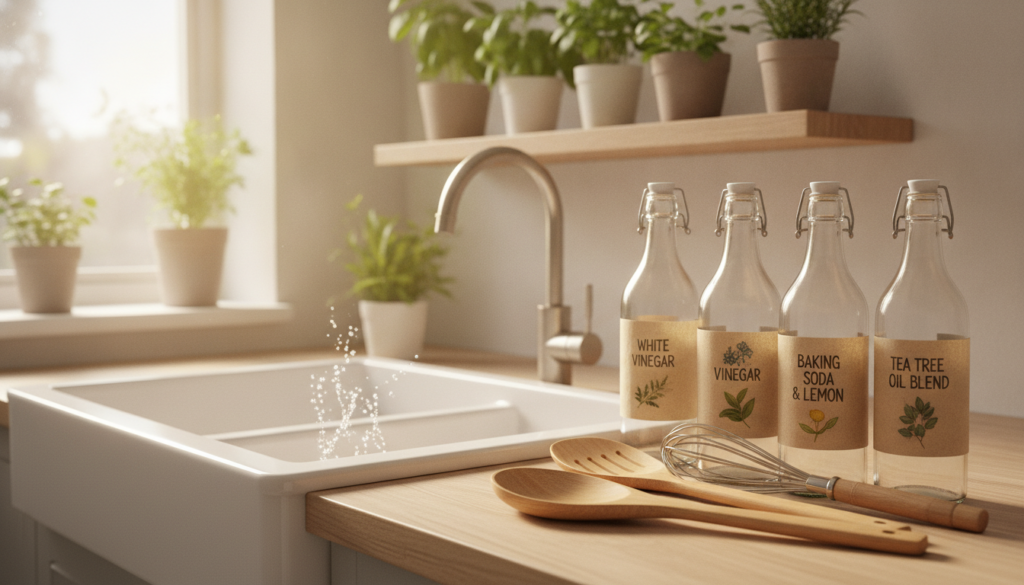
Using Baking Soda and Vinegar Effectively
Mixing baking soda and vinegar creates a fizzing reaction that clears minor blockages. Pour half a cup of baking soda down the drain, then half a cup of vinegar. Cover the drain for fifteen minutes. Then, flush with boiling water.
Enzyme-Based Cleaners for Long-Term Maintenance
For a deeper clean, try eco-friendly drain cleaners that use beneficial bacteria. These cleaners eat away at organic film, grease, and hair in your pipes. They work slowly, keeping your pipes clear without harming them.
When to Avoid Harsh Chemical Drain Openers
Many chemical cleaners can damage older plumbing. They can heat up pipes, causing damage. Prioritizing safety means avoiding these harsh chemicals to avoid costly repairs.
Navigating Philadelphia’s Municipal Sewer Regulations
As a homeowner in Philadelphia, you play a key role in caring for your home and the sewer system. It’s crucial to know the laws about your pipes. This knowledge helps protect your property’s value and keeps our city’s infrastructure healthy.
Understanding Homeowner Responsibility vs. City Infrastructure
Many think the city takes care of all pipes connected to homes. But, the truth is, homeowners are responsible for their private sewer lines. These lines link your plumbing to the public sewer main in the street.
If your private line gets blocked or damaged, you must fix it. Knowing this helps you act fast to avoid costly problems.
Permit Requirements for Major Plumbing Repairs
Before starting big plumbing work, you need to know the Philadelphia plumbing regulations. The city needs permits for major repairs to ensure they’re safe and meet standards. These rules protect the sewer system and your neighbors.
Without the right permits, you could face fines or have to remove your repairs. Always work with a licensed pro who knows the local codes. They can help with the paperwork and ensure your repairs are approved.
Working with the Philadelphia Water Department
It’s wise to have a good relationship with the Philadelphia Water Department. They offer help and advice on Philadelphia sewer lines and water quality. If you think there’s a problem with the main line, not your private line, call them right away.
They can give you maps or info about your area’s pipes. Using official channels helps you follow city rules and fix problems. Talking to them early can save you time and stress.
| Responsibility Area | Owner Duty | City Duty |
|---|---|---|
| Private Lateral | Full Maintenance | None |
| Public Sewer Main | None | Full Maintenance |
| Permit Approval | Required for Repairs | Regulatory Oversight |
Preventative Maintenance Strategies for Old Pipes
Keeping your old home’s plumbing in top shape is easier than you think. It’s not just about fixing leaks. It’s about making sure your pipes last for years to come.
Implementing Regular Flushing Schedules
Having a regular routine is key. Flushing your drains with hot water once a week helps remove small debris. This stops it from turning into big clogs later.
This simple step in plumbing preventative maintenance keeps your drains clear. It’s a small effort that prevents soap scum and mineral buildup in older systems.
Installing Proper Drain Guards and Strainers
Stopping debris before it reaches your pipes is crucial. Using high-quality mesh strainers in sinks and showers is a big help.
These devices catch hair, food, and other waste before it clogs your old home plumbing. This reduces the chance of serious blockages.
Managing Grease and Food Waste in Historic Kitchens
Older kitchens have narrower pipes that easily get clogged with grease. Never pour fats or oils down the drain, as they harden and block pipes.
Instead, clean greasy pans with a paper towel before washing. Regular plumbing preventative maintenance helps keep your kitchen running smoothly without drainage problems.
| Maintenance Task | Frequency | Primary Benefit |
|---|---|---|
| Hot Water Flush | Weekly | Prevents soap buildup |
| Clean Strainers | Daily | Blocks solid debris |
| Grease Disposal | Every Use | Protects pipe walls |
| Enzyme Treatment | Monthly | Breaks down organic matter |
Identifying When to Call a Professional Plumber
Your historic Philadelphia home needs the best care, especially when simple tools don’t work. While some blockages can be fixed with basic maintenance, others need a professional drain cleaning service. Knowing when to call a pro can prevent costly water damage and expensive pipe repairs.
Recognizing Persistent Clogs and Recurring Issues
If you’re constantly clearing the same drain, it’s a sign of a bigger problem. Recurring clogs mean the pipe has shrunk over time. Ignoring these signs can cause a complete system backup, disrupting your life.
Slow drains in multiple fixtures point to a main sewer line issue. This is a clear sign you need a professional check. Trying to clear a main line blockage without training can lead to incomplete results.
The Dangers of DIY Repairs on Cast Iron Pipes
Older homes often have fragile plumbing systems. Trying to fix cast iron pipes without the right tools is risky. These pipes can crack or puncture with aggressive tools or chemicals.
Fixing a broken cast iron pipe is very expensive. Experts use special tools to avoid damage. Protecting your home’s original plumbing is worth the cost of hiring a licensed plumber.
Benefits of Professional Hydro-Jetting Services
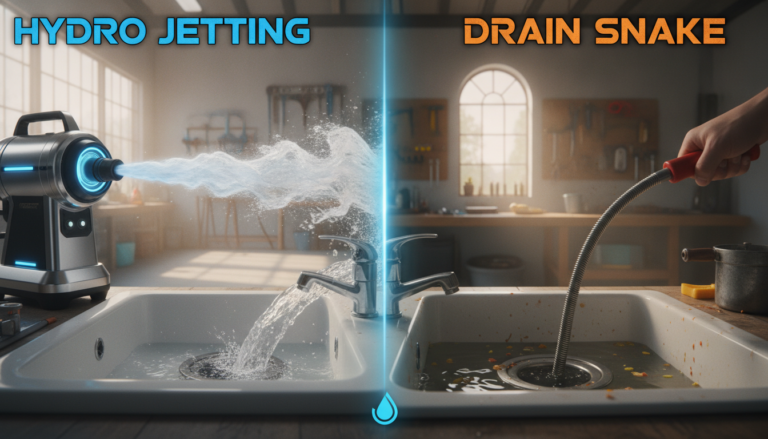
Hydro-jetting services are a better option when snaking doesn’t work. This method uses high-pressure water to clean the inside of your pipes. It removes tough grease, mineral scale, and debris that manual tools can’t reach.
This process cleans the entire pipe, not just the blockage. It restores the pipe’s original size, reducing future clogs. Professional hydro-jetting is safe, efficient, and keeps your plumbing systems working well.
Seasonal Plumbing Care for Philadelphia Winters
Keep your home safe and dry this season by mastering Philadelphia winter plumbing. When it gets cold, your pipes face a big test. Taking steps now keeps your system strong against the cold.
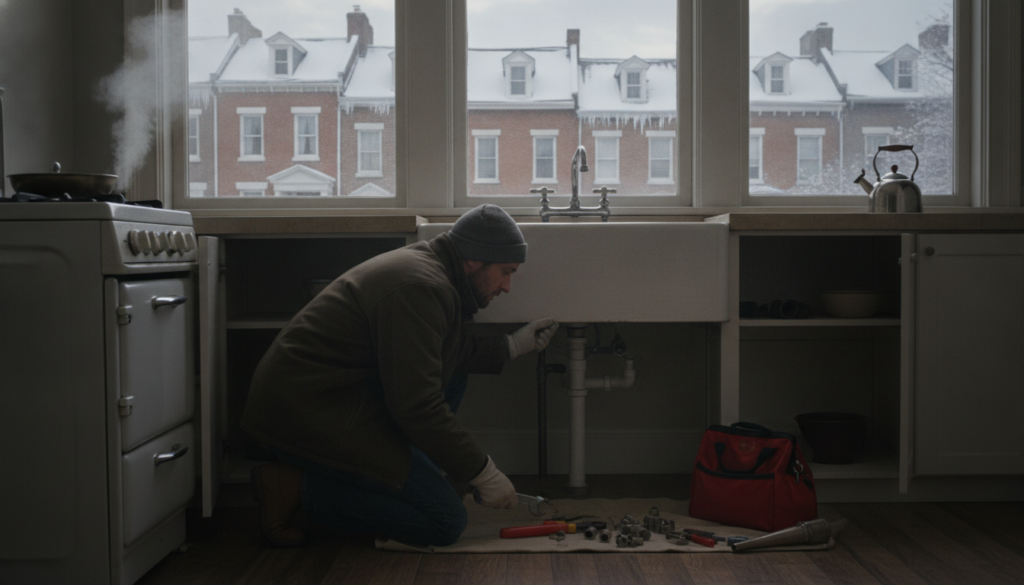
Preventing Frozen Pipes and Drain Backups
The best way to avoid problems is to keep water flowing in your pipes. Even a little water can stop ice from forming. Consistency is key in keeping your home warm.
If you’re going to be away, don’t turn off your heat. Keep your thermostat at least 55 degrees Fahrenheit. This simple step is crucial for reliable Philadelphia winter plumbing.
Insulating Exposed Plumbing in Basements and Crawlspaces
Many old homes in the city have pipes in basements or crawlspaces. These areas are very cold and can freeze. Wrap these pipes in foam insulation sleeves to keep them warm.
Look for drafts in your basement that could let cold air in. Use spray foam or weatherstripping to seal these gaps. Proper insulation is a smart investment in your home’s future.
Preparing Outdoor Drains for Spring Thaw
As winter ends, start thinking about the spring thaw. Melting snow and ice can clog your drains if they’re full of debris. Clean your gutters and downspouts before the big thaw.
Make sure your outdoor drains are clear to let water flow away from your foundation. This prevents water from pooling near your home, which could cause basement flooding. By being prepared, you protect your property from unpredictable weather.
Advanced Diagnostic Techniques for Hidden Blockages
Advanced diagnostics give a clear view of your pipe network’s health. They use the latest technology to spot problems early. This way, your plumbing stays reliable for many years.
The Role of Video Pipe Inspections
Today’s sewer line inspection tech has changed how we find hidden issues. Plumbers use high-def cameras on flexible rods to explore tight pipes. This CCTV technology helps them find blockages and damage without digging up your yard.
Seeing your pipes in real-time brings peace of mind. You can check their condition without damaging your home. This saves time and money when fixing problems.
Locating Tree Root Infiltration in Sewer Laterals
Old homes in Philadelphia often have big trees that harm underground pipes. Roots find moisture and grow fast in cracks, causing blockages. These need tree root removal to fix.
Spotting roots early stops sewer collapses. If found, technicians can clear the blockage. Sometimes, they use hydro-jetting services to clear the line and fix flow.
Interpreting Diagnostic Reports for Old Home Renovations
Your plumbing report is key for big renovations. It guides you on what repairs to do first. It helps avoid surprise costs during construction.
Here’s how different findings affect your renovation plans:
| Diagnostic Finding | Recommended Action | Urgency Level |
|---|---|---|
| Minor Root Intrusion | Routine tree root removal | Low |
| Pipe Offset or Crack | Targeted sewer line inspection | Medium |
| Collapsed Pipe Section | Full Pipe Replacement | High |
| Heavy Grease Buildup | Professional hydro-jetting services | Medium |
Budgeting for Plumbing Upgrades and Replacements
Investing in your home’s infrastructure is rewarding. It keeps Philadelphia’s architectural history alive. While vintage looks are great, managing plumbing repair costs is key. Planning ahead keeps your home beautiful and functional for years to come.
Estimating Costs for Sewer Line Trenchless Repair
Modern tech has changed sewer repair in older homes. Trenchless repair is efficient and less invasive. It fixes sewer lines without damaging your yard or foundation.
This method saves money by avoiding big landscaping or concrete work. While it might cost more upfront, the long-term savings are worth it.
Prioritizing Plumbing Projects in Historic Restorations
Restoring a historic home needs a smart budget plan. Fixing cast iron pipe repair is crucial before cosmetic work. This prevents water damage that could harm your interior.
Focus on the most vulnerable areas first. This keeps your home structurally sound and reliable.
Finding Reliable Local Contractors in Philadelphia
Finding the right contractor is as important as choosing materials. Look for those experienced with Philadelphia’s unique plumbing systems.
Ask for detailed estimates and their experience with cast iron pipe repair and trenchless solutions. A good contractor will be clear about plumbing repair costs and help with your home’s specific needs.
Conclusion
Owning a historic property in Philadelphia means you must take care of it. Your plumbing system is key to your home’s health. Keeping it in good shape is crucial for its longevity.
Regular professional drain cleaning is essential. It stops small problems from becoming big, expensive issues. This care keeps your home safe and comfortable for your family.
You now know how to keep your home in top shape. Regular checks and professional cleaning are key. These steps ensure your home stays beautiful and your pipes work well.
If you need help with your home’s plumbing, call local experts. Acting now protects your home’s value for future owners.