Philadelphia homeowners face unique drain challenges that other cities rarely encounter. From colonial-era pipes in Old City to shared drain lines in South Philly row homes, the City of Brotherly Love requires specialized drain cleaning expertise. Winter temperatures that plunge below 20°F create freeze-thaw cycles that stress aging pipes. Victorian-era plumbing systems in Society Hill demand careful attention. When drains fail in Philadelphia, property owners need contractors who understand these distinctive challenges.
Emergency drain problems don’t wait for business hours. A backed-up drain at midnight affects your entire household. Shared drain lines in row homes mean one neighbor’s clog can impact multiple families. Finding reliable drain cleaning services that understand Philadelphia’s architectural heritage makes all the difference.
Emergency Drain Cleaning Available 24/7
Connect with local Philadelphia drain specialists who understand historic properties, row home systems, and emergency situations. Service available across Center City, Fishtown, South Philadelphia, and all Philly neighborhoods.
Emergency Drain Cleaning Philadelphia: 24/7 Response for Urgent Situations
Drain emergencies strike without warning. A kitchen sink that won’t drain during dinner prep. A basement floor drain backing up during heavy rain. A toilet overflow on a Sunday morning. These situations demand immediate attention, not appointments scheduled days away.
Emergency drain cleaning Philadelphia services address urgent situations across all neighborhoods. Contractors understand that drain backups create unsanitary conditions and potential property damage. Standing water from clogged drains can damage floors, walls, and belongings. Time matters when drains fail.
Common Emergency Drain Situations
- Multiple drains backing up simultaneously throughout the home
- Sewage backing up through basement floor drains or lowest fixtures
- Complete drain stoppage preventing any water flow
- Foul odors indicating sewer line problems
- Gurgling sounds from drains when water runs elsewhere
- Water pooling around floor drains or fixtures
Why Immediate Response Matters
Delaying drain cleaning creates escalating problems. Standing water breeds bacteria and creates health hazards. Continued use of backed-up drains can cause sewage to overflow into living spaces. Pressure from blocked drains can crack older pipes, especially in Philadelphia’s historic properties where cast iron and clay pipes have served for decades.
Winter emergencies prove particularly challenging. Frozen drain pipes can burst when ice expands. Philadelphia’s freeze-thaw cycles stress pipes already weakened by age. Emergency service prevents minor clogs from becoming major disasters.
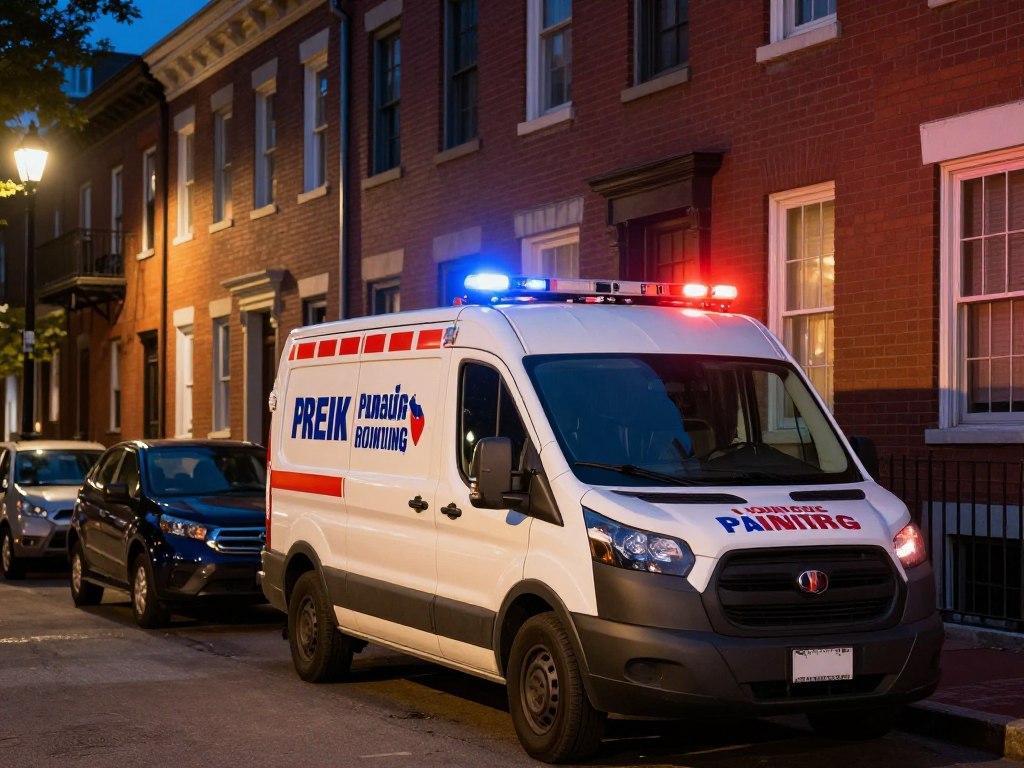
24/7 Emergency Drain Cleaning Response
Don’t let drain emergencies damage your Philadelphia property. Connect with experienced contractors available around the clock for urgent drain cleaning situations.
Clogged Drain Service for Philadelphia Homeowners
Most clogged drain situations develop gradually. Water drains more slowly each week. Standing water appears in sinks after use. Showers take longer to empty. These warning signs indicate developing blockages that require professional attention before they become complete stoppages.
Philadelphia homeowners encounter clogs from various sources. Grease accumulation in kitchen drains creates stubborn blockages. Hair combines with soap residue in bathroom drains. Older homes may have mineral buildup narrowing pipes over decades. Each clog type requires specific cleaning approaches.
Common Causes of Clogged Drains in Philadelphia Homes
Kitchen Drain Clogs
Kitchen drains handle grease, food particles, and soap. Grease solidifies as it cools, coating pipe interiors. Over time, these layers narrow drain passages. Coffee grounds, eggshells, and fibrous vegetables contribute to blockages. Even with garbage disposals, kitchen drains need periodic professional cleaning.
- Grease and oil accumulation coating pipe walls
- Food debris bypassing garbage disposal blades
- Soap scum combining with grease deposits
- Hard water mineral buildup in older pipes
Bathroom Drain Clogs
Bathroom drains collect hair, soap residue, and personal care products. Hair creates nets that catch other debris. Soap doesn’t completely dissolve, leaving residue that accumulates. Dental floss, cotton swabs, and small items accidentally enter drains. Bathroom clogs often occur deep in drain lines rather than at visible drain openings.
- Hair accumulation in shower and tub drains
- Soap scum and shampoo residue buildup
- Toothpaste and personal care product deposits
- Foreign objects accidentally flushed or washed down drains
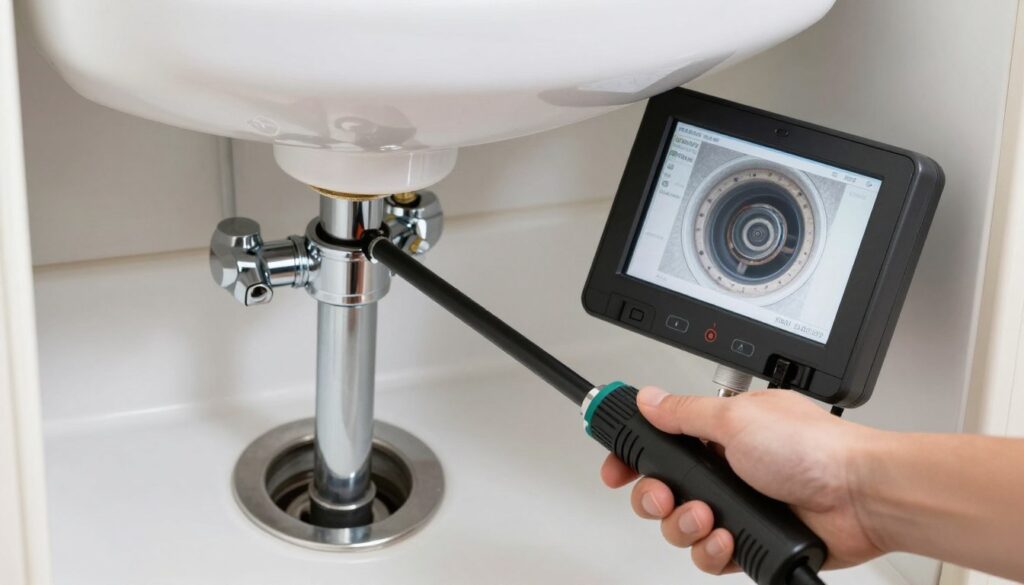
Professional Drain Cleaning Methods
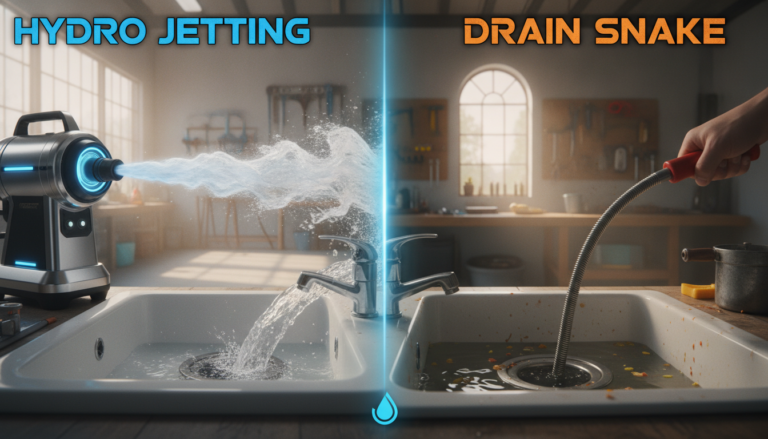
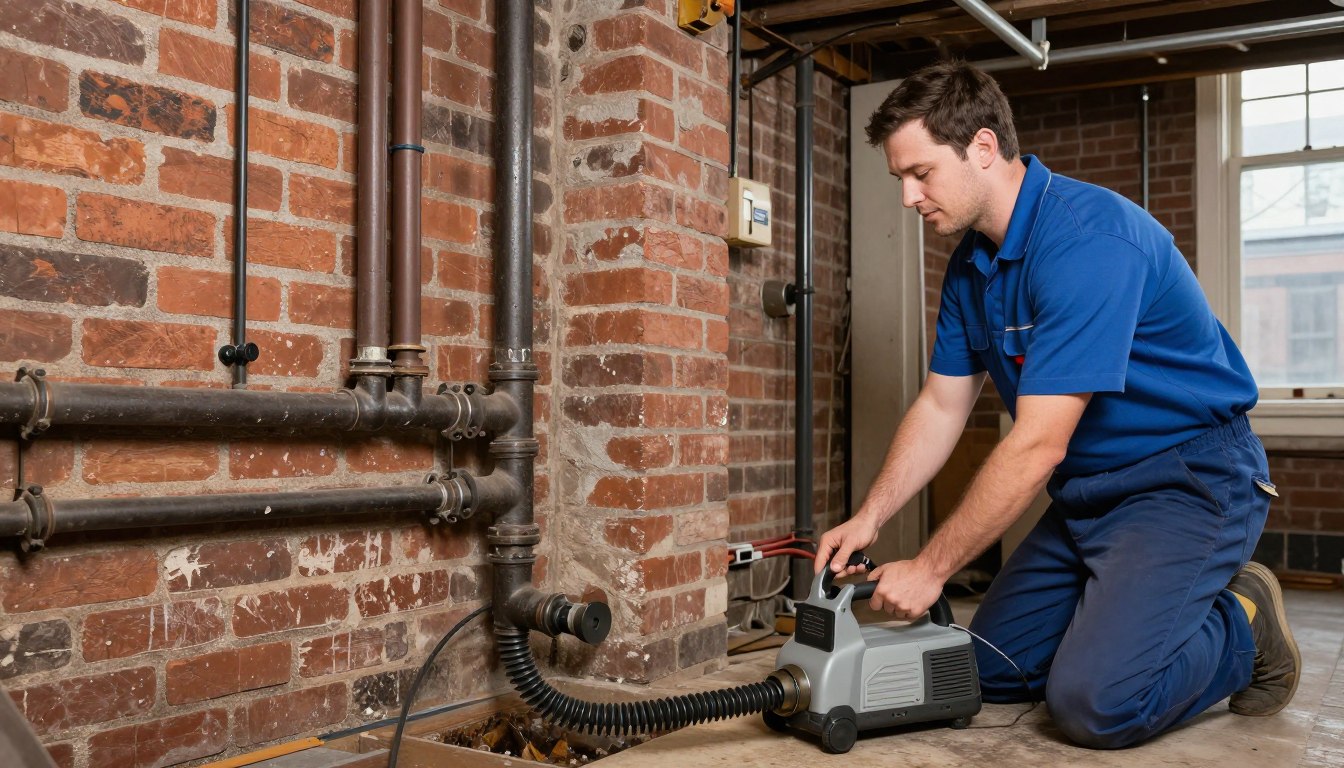
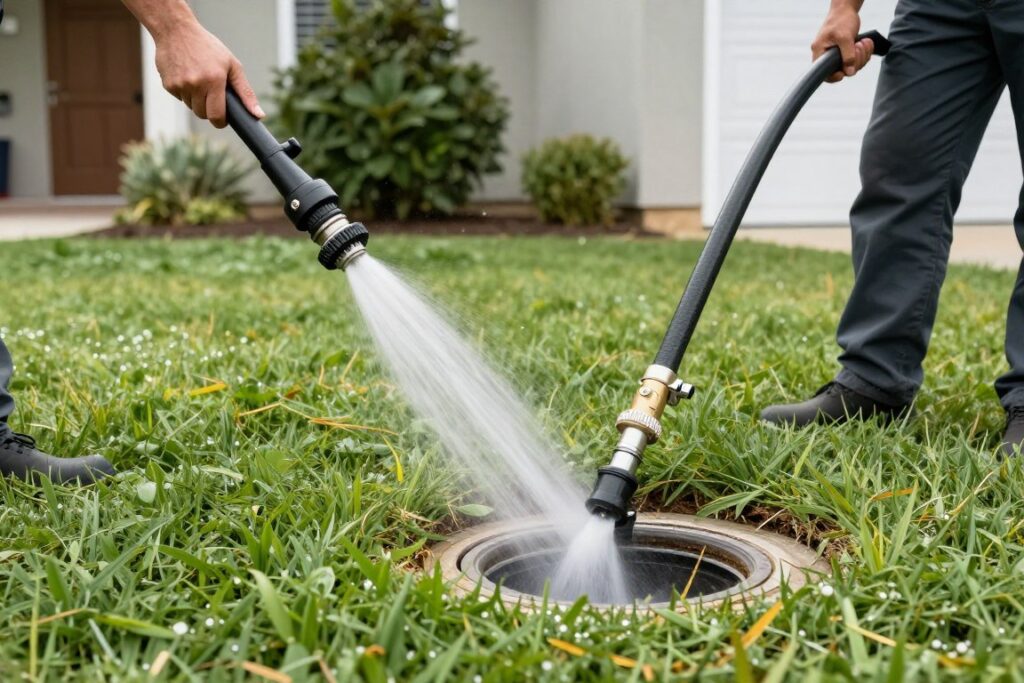
Professional drain cleaning uses specialized equipment unavailable to homeowners. Cable augers (drain snakes) physically break through blockages. Hydro-jetting equipment uses high-pressure water to scour pipe interiors clean. Video camera inspections identify exact clog locations and causes. These tools address problems that chemical drain cleaners cannot resolve.
Cable Augering
Motorized cables with cutting heads break through solid blockages. Different cable sizes match different pipe diameters. This method works well for tree root intrusion and compacted debris. Skilled operators navigate cables through pipe bends without damaging aging pipes.
Hydro-Jetting
High-pressure water streams at 3,000-4,000 PSI clean pipe interiors thoroughly. Hydro-jetting removes grease, scale, and debris that augering leaves behind. This method proves particularly effective for recurring clogs. Contractors adjust pressure based on pipe material and condition to protect historic plumbing.
Video Inspection
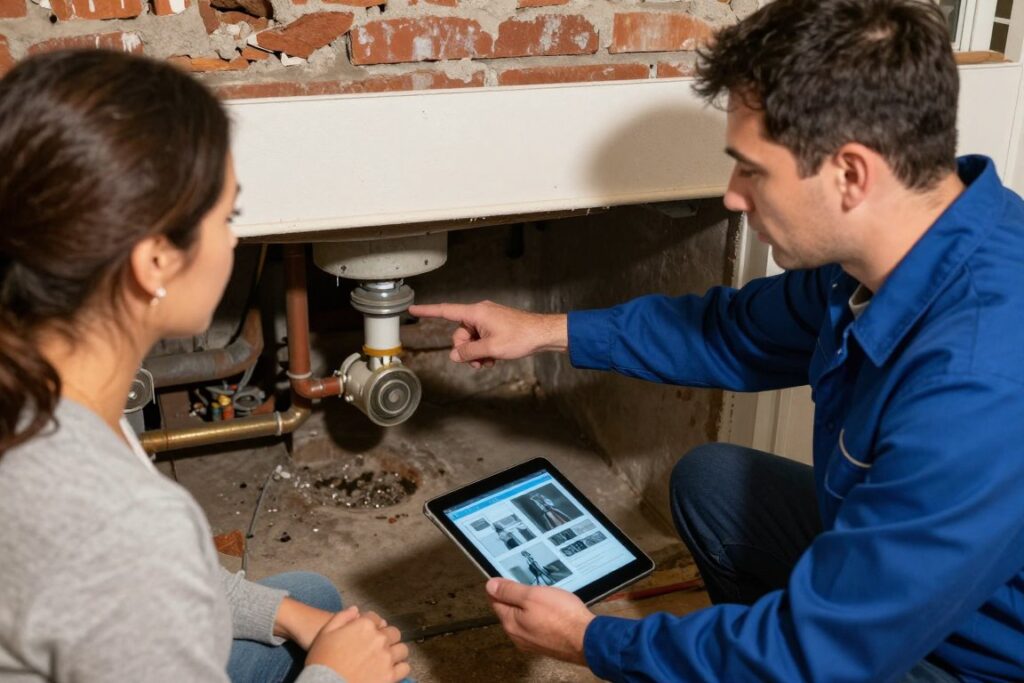
Waterproof cameras travel through drain lines revealing exact conditions. Video inspection identifies cracks, root intrusion, and pipe deterioration. This diagnostic tool prevents guesswork, showing precisely where problems exist. Recordings document drain conditions for property records.
Colonial-Era and Victorian-Era Pipe Systems in Historic Philly Neighborhoods
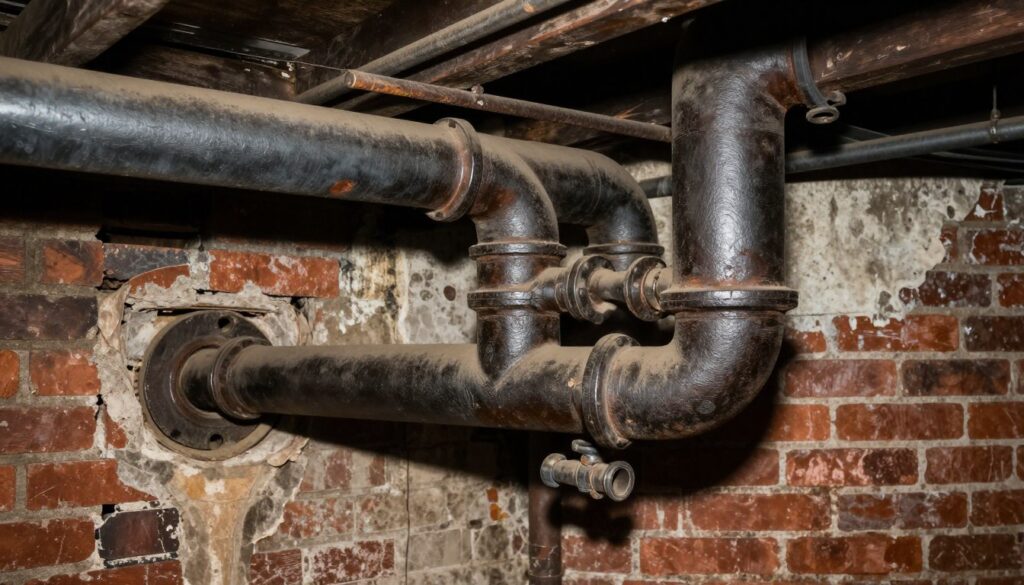
Philadelphia’s oldest neighborhoods contain plumbing systems installed generations ago. Old City properties may have cast iron pipes from the 1800s still in service. Society Hill Victorian homes feature clay sewer lines laid when horses filled streets. These historic drain systems require specialized knowledge and careful handling during cleaning.
Aging pipes present unique challenges. Cast iron develops rust scale that narrows interior passages. Clay pipes crack from ground settling over decades. Lead joints in very old systems can fail. Historic preservation concerns add complexity—aggressive cleaning methods might damage irreplaceable pipes. Contractors serving Philadelphia must understand these heritage plumbing systems.
Challenges in Old City and Society Hill Properties
Many Old City and Society Hill homes have pipes dating to the 1800s. These systems were engineered for different usage patterns than modern households. Fewer fixtures. Lower water volumes. Different waste materials. Today’s usage stresses these vintage systems beyond original design.
- Cast iron pipes thinned by decades of rust and corrosion
- Clay sewer lines with separated joints from ground settlement
- Undersized pipes by modern standards creating slow drainage
- Limited access points complicating cleaning efforts
- Pipes routed through structural elements difficult to replace
- Historic preservation restrictions limiting modification options
Drain cleaning in historic properties requires gentle techniques. Aggressive cable work can puncture rusted cast iron. Excessive hydro-jetting pressure may separate clay pipe joints. Experienced contractors assess pipe condition before choosing cleaning methods. Sometimes camera inspection reveals pipes too fragile for standard cleaning, requiring replacement planning.
Heritage-informed drain maintenance extends pipe lifespan. Regular gentle cleaning prevents buildup that would require aggressive intervention. Proper technique preserves historic plumbing systems while maintaining function. Philadelphia homeowners benefit from contractors who respect architectural heritage while solving modern drain problems.
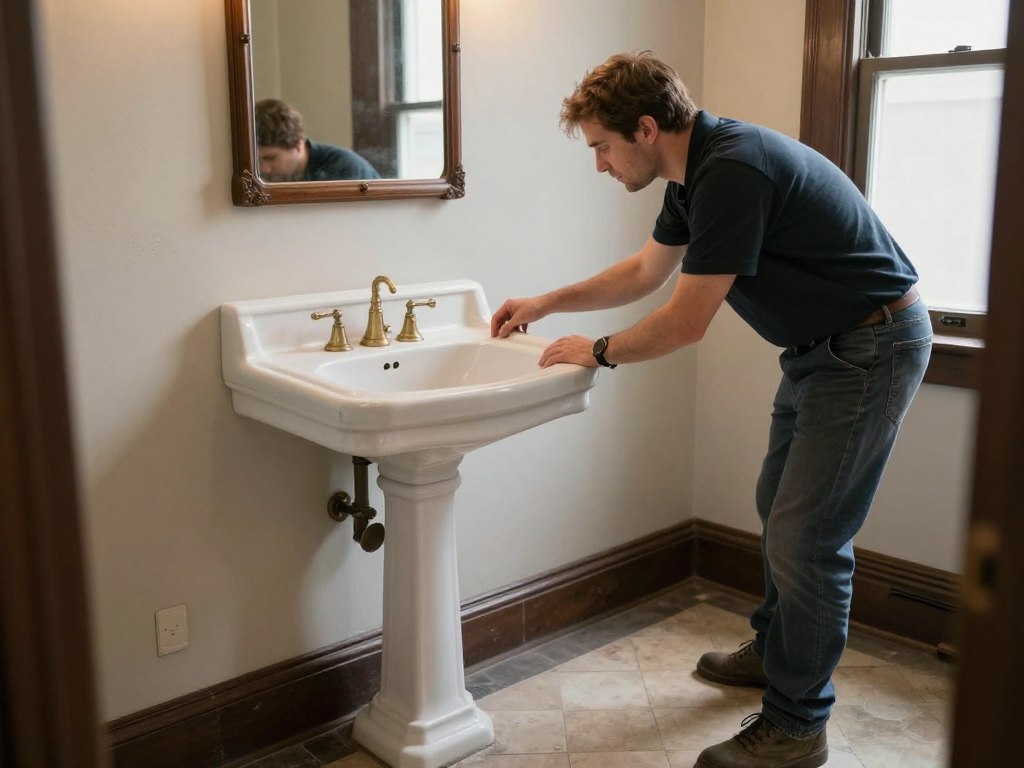
Expert Care for Historic Philadelphia Plumbing
Protect your historic property with contractors who understand colonial-era and Victorian-era drain systems. Specialized techniques preserve heritage plumbing while restoring proper function.
Row Home and Brownstone Shared Drain Line Challenges
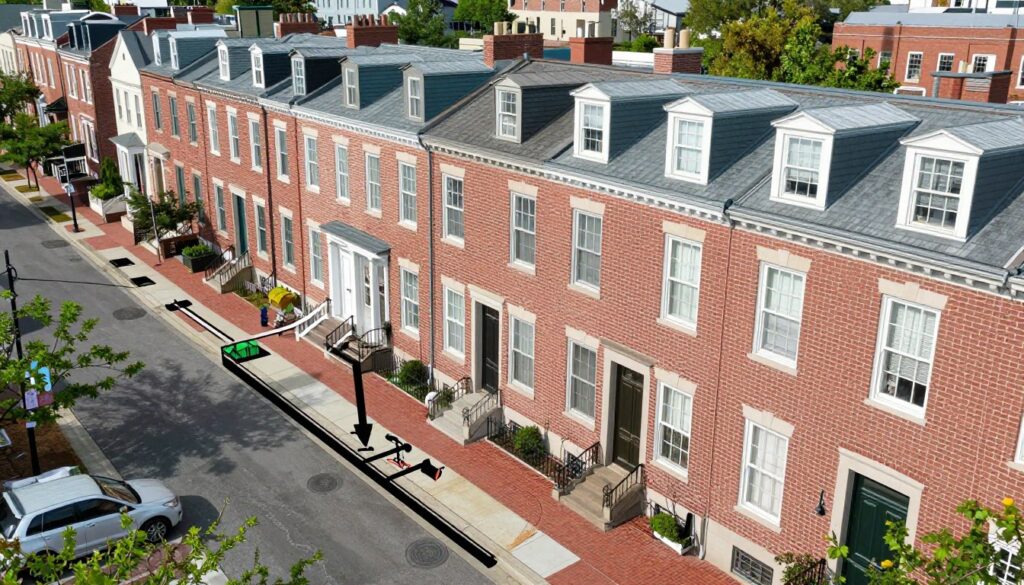
Philadelphia row homes create unique drain situations found in few other cities. Homes built wall-to-wall share lateral sewer lines connecting to street mains. One home’s drain clog can affect neighbors. Shared responsibility for common drain lines complicates maintenance. Understanding these connected systems proves essential for effective drain cleaning Philadelphia PA services.
Philly row homes share drain lines—one clog affects multiple homes. A blockage in the shared lateral means multiple households experience slow drains or backups simultaneously. Determining responsibility for repairs requires understanding where blockages occur. Individual homes typically maintain drain lines within their property. Shared laterals connecting to city mains often fall under joint responsibility.
How Shared Drain Systems Work in Row Homes
Each row home has interior drain lines collecting water from fixtures. These individual lines connect to a lateral sewer line, often shared among several homes. The lateral runs to the city’s main sewer line in the street. Problems anywhere in this system affect multiple properties.
- Kitchen sink drain lines carrying grease and food debris
- Bathroom drain lines collecting hair and soap residue
- Toilet drain lines handling solid waste and paper products
- Floor drains in basements protecting against flooding
- Washing machine drain lines discharging detergent and lint
Individual Home Drain Lines
- Combined waste from multiple row homes flowing to street main
- Larger diameter pipes handling greater water volumes
- Deeper installation requiring excavation for access
- Tree root intrusion points where roots seek water sources
- Joint responsibility areas between neighboring property owners
Shared Lateral Drain Lines
Common Row Home Drain Problems
Shared drain systems experience specific recurring issues. Tree roots infiltrate lateral lines seeking moisture. Older laterals may have separated joints where roots enter. Grease accumulation from multiple kitchens compounds more rapidly than in detached homes. Understanding these patterns helps contractors diagnose problems efficiently.
Tree Root Intrusion
Street trees send roots seeking water into drain lines. Roots enter through pipe joints or cracks. Once inside, roots expand, creating dense blockages. Root intrusion affects shared laterals more than individual home lines due to deeper installation and proximity to mature trees.
- Roots entering through separated clay pipe joints
- Root growth filling pipe interiors over time
- Seasonal growth patterns causing recurring clogs
- Multiple homes affected by single root mass
Grease Accumulation
Multiple row home kitchens discharge grease into shared laterals. Combined grease volumes create substantial buildup. Grease solidifies in cooler lateral lines underground. This accumulation narrows drain passages, causing slow drainage that worsens gradually until complete blockage occurs.
- Combined grease from multiple household kitchens
- Solidification in underground lateral sections
- Gradual narrowing of drain passages over months
- Complete blockages affecting all connected homes
Structural Settling
Philadelphia’s old row home foundations settle over time. This settling can shift drain lines, creating low spots where debris accumulates. Separated joints result from uneven settling between properties. These structural issues require assessment beyond simple drain cleaning.
- Low spots in drain lines collecting debris and sediment
- Pipe joint separation from differential settling patterns
- Bellied sections holding standing water after use
- Misaligned connections between individual and shared lines
Shared Maintenance Coordination
Determining responsibility for shared lateral repairs creates challenges. Property deeds may specify maintenance obligations. City regulations define responsibility boundaries. Neighbors must coordinate when shared sections need service. Clear communication prevents disputes and ensures timely repairs.
- Multiple property owners sharing lateral line repair costs
- Coordinating access through neighboring properties when needed
- Determining exact blockage location to assign responsibility
- Documenting shared drain line conditions for all parties
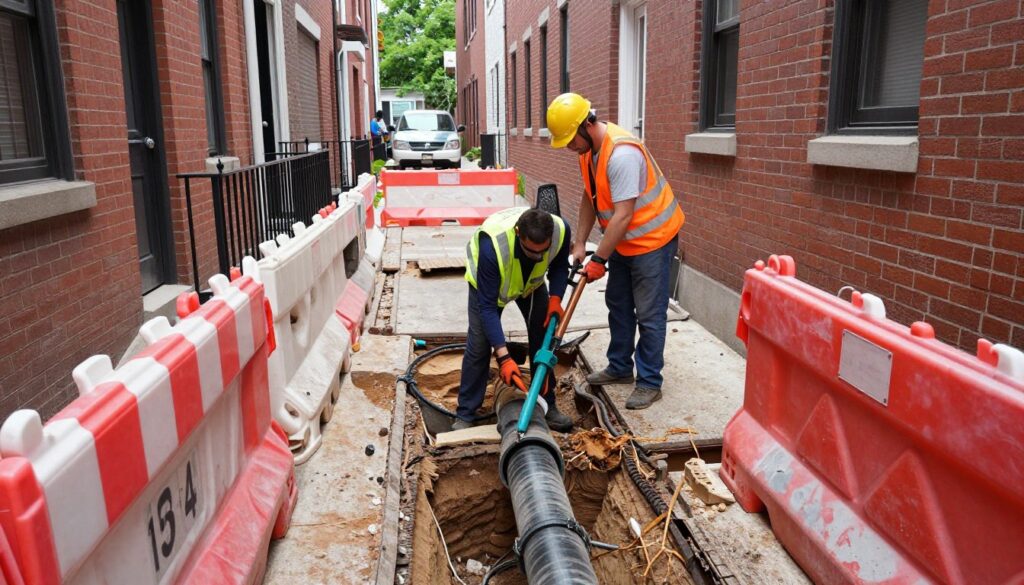
Row Home Drain Specialists
Navigate shared drain line challenges with contractors experienced in Philadelphia row home systems. Get expert diagnosis and solutions for individual and shared drain problems.
Winter Freeze and Thaw Drain Pipe Damage in Philadelphia
Philadelphia winters regularly bring temperatures below 20°F, creating serious risks for drain and sewer pipes. Freeze-thaw cycles stress pipes through expansion and contraction. Water remaining in pipes can freeze, expanding with enough force to crack cast iron, PVC, or copper. Older pipes already weakened by decades of use prove particularly vulnerable to winter damage.
Winter temperatures regularly drop below 20°F causing pipe freeze in Philadelphia homes. Basement drain lines in unheated spaces freeze first. Exterior cleanouts and vent pipes experience direct cold exposure. Once frozen, pipes may crack immediately or develop stress fractures that fail during spring thaw. Understanding freeze risks helps homeowners prevent winter drain disasters.
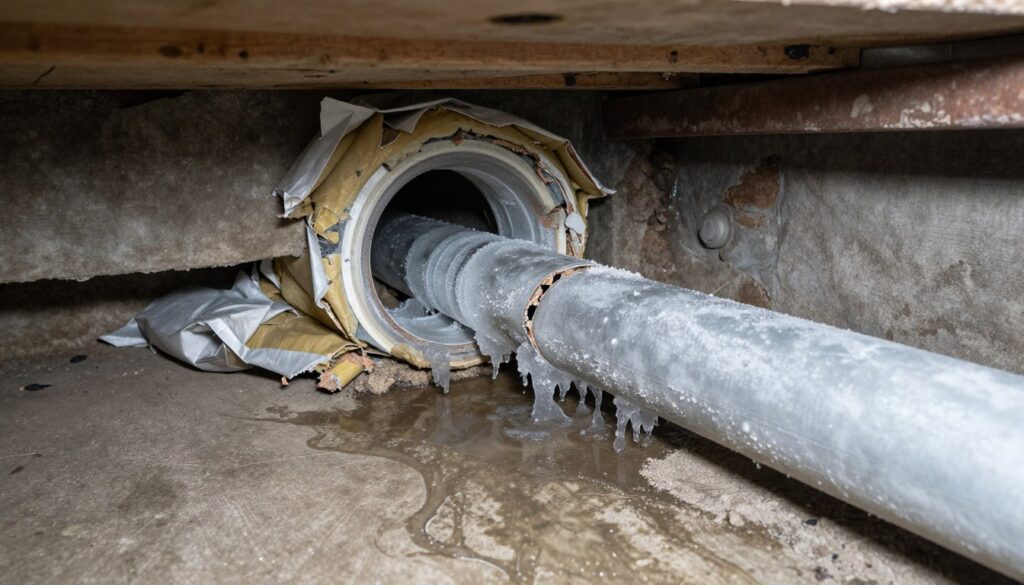
How Freezing Damages Drain Pipes
Water expands approximately nine percent when freezing. This expansion creates tremendous pressure inside confined pipes. Cast iron, which seems indestructible, cracks under freeze pressure. PVC becomes brittle in extreme cold and shatters. Copper pipes split along their length. Even brief freeze events can cause permanent damage requiring pipe replacement.
Vulnerable Areas in Philadelphia Homes
Certain drain system components face higher freeze risk. Identifying these vulnerable areas allows targeted protection efforts. Preventive measures cost far less than emergency repairs during freezing weather.
- Basement drain lines in unheated areas near foundation walls
- Crawl space pipes exposed to outside air infiltration
- Exterior cleanout pipes providing direct access points
- Vent stacks extending through roofs into cold attic spaces
- Drain lines running through uninsulated exterior walls
- Floor drains in garages or unheated additions
- Washing machine drain lines in basement utility areas
- Outdoor hose bibs and their connected drain lines
Freeze-Thaw Cycle Effects
Repeated freezing and thawing throughout winter causes cumulative damage. Pipes may survive initial freezes but weaken with each cycle. Microscopic cracks expand. Joints loosen. By spring, pipes that appeared fine in autumn fail catastrophically. Philadelphia’s variable winter weather—freezing nights, warmer days—creates ideal conditions for this progressive damage.
Emergency Actions for Frozen Drains
When drains freeze, immediate action prevents damage:
- Stop using all plumbing fixtures immediately to prevent pressure buildup
- Never use open flames to thaw pipes—fire risk is extreme
- Apply gentle heat with heating pad or warm towels on accessible pipes
- Open cabinet doors allowing warm room air to reach pipes
- Contact professional drain cleaning services for safe thawing
Attempting to force water through frozen drains can burst pipes. Professional contractors use specialized heating equipment to safely thaw frozen sections without causing additional damage.
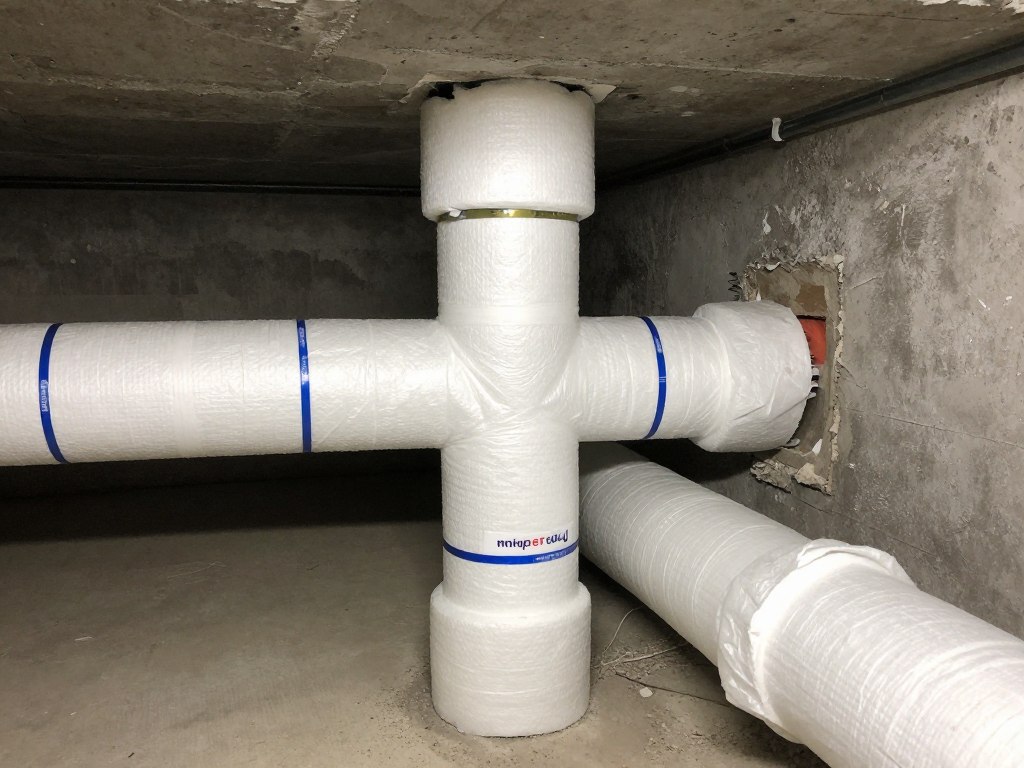
Preventing Winter Drain Damage
Prevention proves far more cost-effective than repairs. Simple protective measures significantly reduce freeze risks. Homeowners can implement many preventive steps before winter arrives. Professional assessment identifies vulnerable areas requiring specialized protection.
Insulation
Pipe insulation provides crucial freeze protection. Foam sleeves wrap around exposed pipes in basements and crawl spaces. Insulation slows heat loss, keeping pipes above freezing longer during cold snaps. Pay special attention to pipes along exterior walls and in unheated areas.
Heat Tape
Electric heat tape wraps around vulnerable pipe sections. Thermostatic controls activate heating when temperatures drop. This active protection prevents freezing even during extended cold periods. Heat tape works well for pipes impossible to adequately insulate, such as those in exterior walls.
Air Sealing
Seal basement rim joists and foundation cracks to prevent cold air infiltration. Weatherstripping around basement doors and windows reduces drafts. Blocking cold air keeps entire basement spaces warmer, protecting all plumbing system components from freeze risks throughout winter months.
Fishtown and Kensington Renovated Buildings Face Old Pipe Stress
Fishtown and Kensington have transformed dramatically in recent decades. Former industrial buildings converted to residential lofts. Updated row homes with modern kitchens and bathrooms. New occupants bring contemporary water usage patterns to buildings with aging drain infrastructure. This mismatch between old pipes and new demands creates recurring drain problems requiring professional attention.
Fishtown and Kensington renovated buildings face old pipe stress loads not anticipated during original construction. A 1920s factory building converted to apartments may have drain pipes sized for minimal bathroom facilities—not multiple full bathrooms per unit. Row homes updated with modern appliances discharge more water than original systems handled. These stress loads accelerate wear and create frequent clogs.
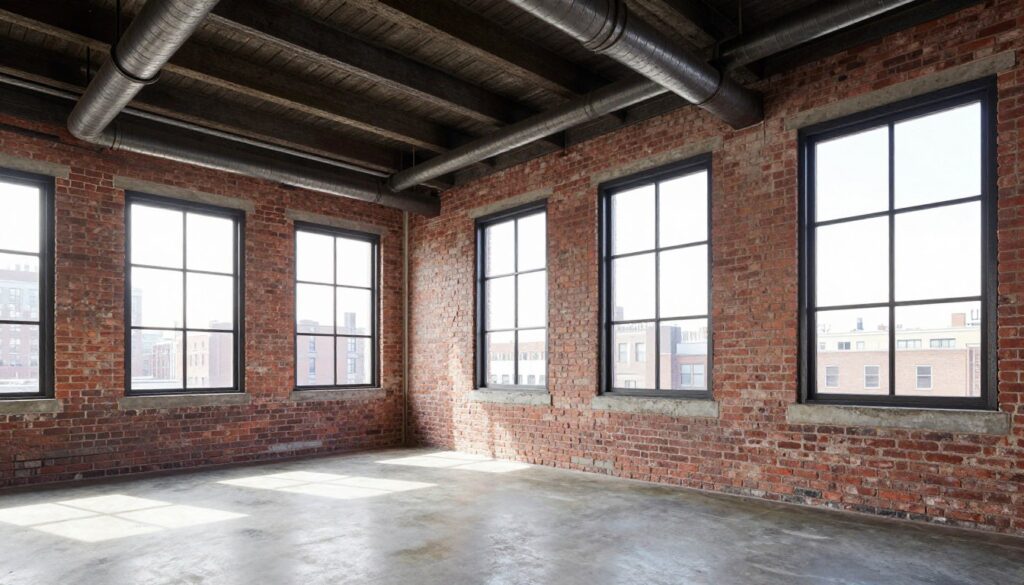
Unique Drain Challenges in Renovated Properties
Renovation updates living spaces but often leaves original drain systems largely untouched. Replacing drain lines requires expensive demolition work. Developers and homeowners frequently retain existing drains, adapting new fixtures to old pipes. This creates stress points where modern usage exceeds vintage capacity.
Increased Water Volume
Modern fixtures use more water than vintage counterparts. Contemporary washing machines discharge 20-30 gallons per cycle. Large soaking tubs require 80+ gallons to fill. High-efficiency toilets flush rapidly with substantial water volume. Multiple bathrooms running simultaneously create peak flow rates original systems never experienced. Pipes undersized for these volumes drain slowly or back up entirely.
- Modern appliances exceeding vintage drain pipe capacity
- Multiple bathrooms operating simultaneously in converted buildings
- Commercial-grade kitchen equipment in renovated restaurant spaces
- Increased occupancy density compared to original building use
Incompatible Materials
Renovations often connect modern PVC drain lines to original cast iron or clay pipes. These material transitions create problem points. Different expansion rates stress connections. Dissimilar materials corrode at junctions. Adapters and transitions represent weak points where leaks and clogs develop. Proper installation mitigates issues, but poorly executed connections fail prematurely.
- PVC to cast iron transitions requiring specialized fittings
- Corrosion at dissimilar metal connection points
- Failed rubber gaskets in transition couplings over time
- Misaligned connections from improper installation techniques
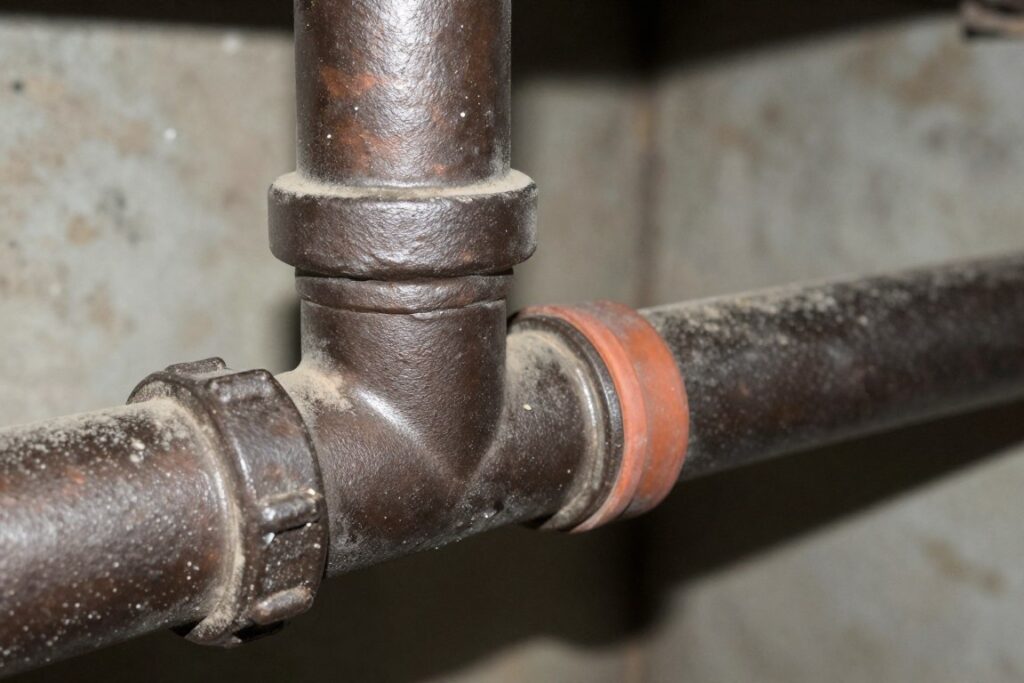
Common Problems in Converted Industrial Buildings
Former factories and warehouses present unique drain cleaning challenges. Original drains served industrial purposes—floor drains for washdown, minimal restroom facilities, basic utility sinks. Conversion to residential or commercial use adds extensive new drain demands. Existing main drain lines may lack capacity for added fixtures. Vertical drain stacks serving multiple floors experience increased loads throughout their length.
Recognizing Overstressed Drain Systems
Several signs indicate drain systems struggling with modern usage:
- Slow drainage throughout the building, not isolated to single fixtures
- Gurgling sounds from multiple drains when water discharges elsewhere
- Sewage odors indicating inadequate venting for increased usage
- Frequent clogs requiring repeated professional cleaning
- Water backing up through floor drains during heavy usage periods
These symptoms suggest drain systems require capacity upgrades, not just cleaning. Professional assessment determines whether cleaning resolves issues or whether pipe replacement becomes necessary.
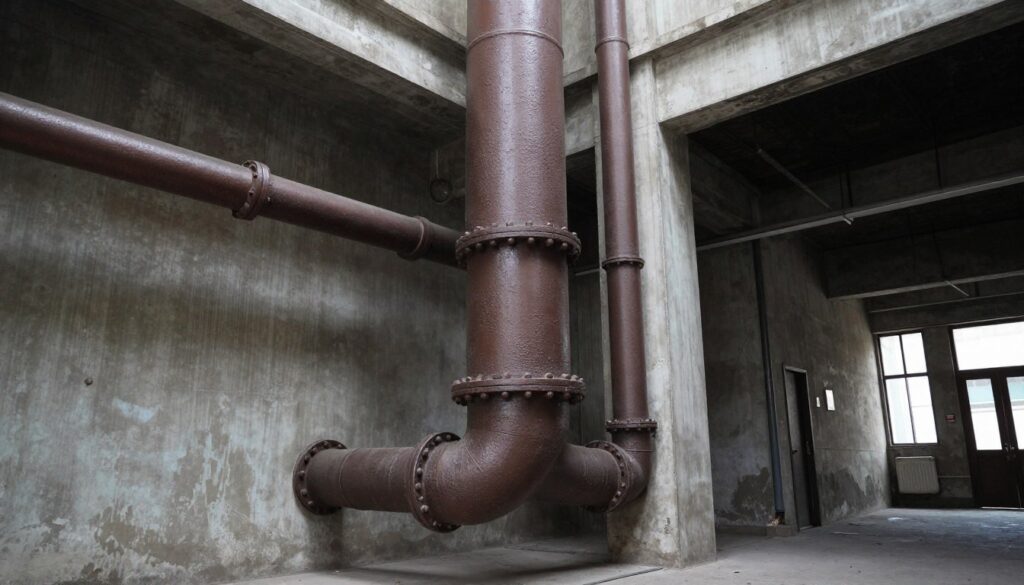
Center City High-Rises Have Complex Vertical Drain Systems
Center City Philadelphia’s vertical architecture creates unique drain cleaning challenges. High-rise buildings have drain systems extending dozens of floors from penthouse bathrooms to street-level connections. Water and waste travel through vertical stacks under gravity. These complex systems require specialized knowledge and equipment for proper maintenance and repair.
Center City high-rises have complex vertical drain systems serving hundreds of fixtures across multiple floors. A single clog high in the building can affect every unit below. Vent stack problems create drainage issues throughout entire vertical sections. Understanding these interconnected systems proves essential for effective troubleshooting and repair.
How High-Rise Drain Systems Operate
Vertical drain stacks form the backbone of high-rise plumbing. Branch lines from individual units connect to main stacks. Water falls under gravity through these vertical pipes to basement collectors and street connections. Vent stacks running parallel to drain stacks provide air pressure equalization preventing trap siphoning and allowing proper flow.
- Main vertical drain stacks serving all floors of the building
- Horizontal branch lines connecting individual units to main stacks
- Vent stacks providing air pressure balance throughout the system
- Basement collector drains combining all vertical stacks
- Building drain lines connecting to city sewer mains
- Cleanout access points at strategic locations for maintenance
Drain problems in high-rises affect multiple units. A clog in a main stack impacts every unit connected below the blockage point. Grease from upper-floor kitchens accumulates as it falls, building up at horizontal offsets and connections. Tree root intrusion, impossible in upper floors, affects basement and street-level connections where outdoor drain lines exist.
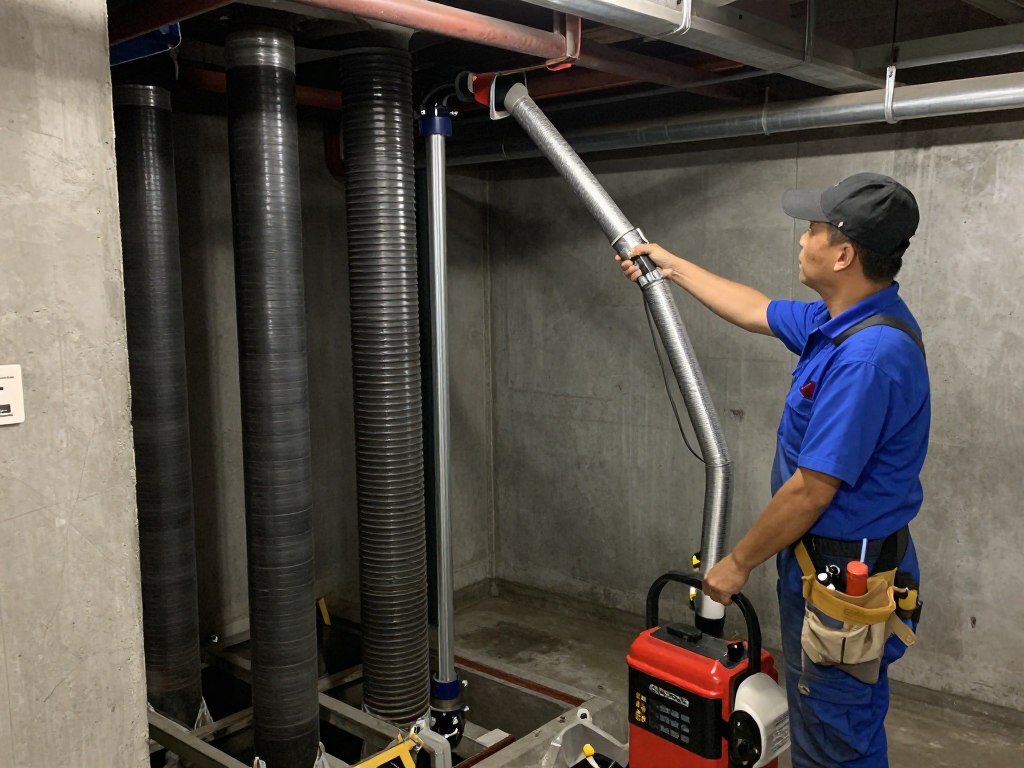
Professional drain cleaning in high-rises requires specialized access and equipment. Contractors may need roof access to insert cables down vent stacks. Basement cleanouts provide lower-level access points. Cable lengths must reach vertically through many floors. Coordination with building management ensures access to necessary areas and notification to affected residents during service work.

Common High-Rise Drain Issues
Vertical drain systems experience specific recurring problems. Stack blockages from accumulated debris. Vent stack obstructions affecting drainage throughout buildings. Connection point failures where horizontal branches meet vertical stacks. Each issue requires diagnosis considering the entire vertical system, not just individual floor problems.
Stack Blockages
Main vertical stacks collect debris falling from upper floors. Grease coats stack interiors. Foreign objects dropped into fixtures can lodge at horizontal offsets. Hair and soap accumulation builds up over years of service. Complete stack blockages affect many units simultaneously, creating emergency situations requiring immediate response.
Vent Problems
Blocked vent stacks cause slow drainage and gurgling throughout buildings. Bird nests in roof vent terminations restrict airflow. Ice dams in winter can seal vent openings. Without proper venting, drains cannot flow efficiently. Negative pressure siphons water from fixture traps, allowing sewer gases into units.
Connection Failures
Horizontal branch connections to vertical stacks represent stress points. Poor installation creates leaks. Settling buildings shift connections. Corrosion attacks connection fittings. Failed connections leak into walls and ceiling spaces of units below. Regular inspection and maintenance catch connection problems before major damage occurs.
How to Connect with a Local Philadelphia Drain Specialist
Finding qualified drain cleaning contractors requires knowing what to look for. Philadelphia’s unique drain challenges—historic pipes, row home shared lines, freeze risks, high-rise systems—demand specialized expertise. Not all plumbing contractors possess experience with these specific situations. Connecting with specialists familiar with Philadelphia’s distinctive drain infrastructure ensures effective service.
Local contractors understand neighborhood-specific challenges. An Old City specialist knows colonial-era plumbing. A Fishtown contractor has experience with converted industrial buildings. South Philly experts understand row home shared laterals. This local knowledge makes service more efficient and effective compared to contractors unfamiliar with Philadelphia’s unique characteristics.
What to Look for in a Drain Cleaning Contractor
Several factors indicate contractor quality and reliability. Licensing requirements ensure basic competency. Insurance protects homeowners from liability. Experience with specific drain types matters significantly. References from neighbors facing similar problems provide valuable insights. Emergency availability proves crucial when drains fail outside business hours.
- Valid Pennsylvania plumbing contractor license
- Current liability and workers compensation insurance
- Experience with Philadelphia historic properties if applicable
- Specialized equipment for drain inspection and cleaning
- Emergency service availability for urgent situations
- Local references from Philadelphia neighborhood customers
- Transparent pricing and service explanations
Essential Qualifications
- Knowledge of row home shared drain line systems
- Experience with colonial-era and Victorian-era pipes
- Understanding of freeze protection for Philadelphia winters
- Familiarity with converted industrial building drain challenges
- High-rise vertical drain system expertise when needed
- Relationships with city inspectors for permit processes
- Access to specialized historic plumbing restoration resources
Philadelphia-Specific Experience
Questions to Ask When Connecting with Contractors
Asking specific questions helps identify qualified professionals. Responses reveal experience levels and approach to customer service. Contractors confident in their abilities welcome questions and provide detailed answers. Hesitation or vague responses may indicate limited experience with Philadelphia’s unique drain challenges.
Licensing and Insurance
Verify credentials before hiring contractors. Pennsylvania requires plumbing contractors to maintain licenses and insurance. These protections safeguard homeowners from poor workmanship and accidents during service.
- Can you provide your Pennsylvania contractor license number?
- Do you carry liability insurance and workers compensation?
- Will you pull necessary permits for drain line work?
- Can you provide certificates of insurance if requested?
Philadelphia Experience
Specific local experience matters significantly for drain cleaning success. Contractors familiar with Philadelphia’s unique systems work more efficiently and avoid problems that inexperienced contractors might create.
- How long have you worked on Philadelphia drain systems?
- Do you have experience with my neighborhood’s specific challenges?
- Can you provide references from similar properties nearby?
- What specialized equipment do you use for inspections?
Service Approach
Understanding contractor methods and policies prevents surprises. Clear communication about processes, timing, and costs builds trust and ensures satisfaction with completed work.
- Do you perform camera inspections before cleaning?
- What cleaning methods do you recommend for my situation?
- How do you protect historic pipes during cleaning?
- What happens if cleaning reveals larger problems?
Emergency Services
Drain emergencies require immediate response. Contractors offering true emergency service provide peace of mind that help is available when urgent problems arise outside normal business hours.
- Do you offer genuine 24/7 emergency response?
- What is your typical emergency response time?
- Do emergency rates differ from regular service pricing?
- Can you handle emergency situations in my specific property type?
Connect with Philadelphia Drain Cleaning Specialists Now
Whether you need emergency service or preventive maintenance, connect with experienced contractors who understand Philadelphia’s unique drain systems. Service available across all ZIP codes and neighborhoods including 19101, 19102, 19103, 19107, 19125, 19127, 19134, 19145, 19146, and 19147.
Drain Maintenance and Prevention for Philadelphia Properties
Preventive drain maintenance proves far less expensive than emergency repairs. Regular cleaning prevents buildup that creates blockages. Periodic inspections identify developing problems before they become emergencies. Philadelphia homeowners who invest in preventive care extend drain system lifespan and avoid costly emergency service calls during inconvenient times.
Different properties require different maintenance schedules. Historic homes with aging pipes benefit from frequent gentle cleaning. Row homes sharing drain lines should coordinate maintenance among neighbors. High-rise buildings need professional maintenance programs. Understanding your property’s specific needs helps establish effective preventive routines.
Recommended Maintenance Schedules by Property Type
Historic Properties (Pre-1940)
Old City, Society Hill, and similar neighborhoods with colonial-era or Victorian-era plumbing benefit from annual professional drain inspection and cleaning. Gentle methods prevent damage to aging pipes while removing accumulated debris before it creates blockages.
- Annual professional camera inspection of main drain lines
- Bi-annual gentle cleaning of kitchen and bathroom drains
- Seasonal checks before winter freeze periods
- Immediate attention to any slow drainage symptoms
Row Homes with Shared Lines
South Philadelphia, Northern Liberties, and other row home neighborhoods require coordinated maintenance. Annual cleaning of shared laterals prevents problems affecting multiple homes. Individual home drains need regular attention based on usage patterns and family size.
- Annual professional cleaning of shared lateral drain lines
- Coordinate maintenance timing with attached neighbors
- Semi-annual individual home drain line maintenance
- Video inspection every 2-3 years to monitor condition
Converted Buildings (Fishtown, Kensington)
Properties with modern usage stressing vintage drain systems need frequent professional attention. Increased water volume and fixture counts create accelerated wear. Quarterly inspections catch problems before they escalate into major blockages requiring emergency service.
- Quarterly professional drain inspection and cleaning
- Monitor for slow drainage indicating capacity problems
- Annual comprehensive drain system assessment
- Address any drainage issues immediately before they worsen
High-Rise Buildings (Center City)
Vertical drain systems serving many units require professional maintenance programs. Building management typically coordinates service. Individual unit owners should report any drainage problems promptly to prevent issues affecting neighbors on lower floors.
- Annual professional cleaning of main vertical stacks
- Semi-annual vent stack inspection and clearing
- Quarterly monitoring of basement collector drains
- Immediate response to any unit drainage complaints
Homeowner Best Practices Between Professional Service
Property owners can take simple actions that reduce drain problems. These practices don’t replace professional service but extend the time between needed cleanings. Consistent attention to what enters drains prevents many common clogs from developing.
Kitchen Drain Care
- Never pour grease down drains—dispose in trash containers
- Use sink strainers to catch food debris before entering drains
- Run hot water after each use to help move oils through pipes
- Avoid harsh chemical drain cleaners that damage old pipes
- Grind ice cubes in disposal monthly to clean blades
Bathroom Drain Care
- Install hair catchers in shower and tub drains
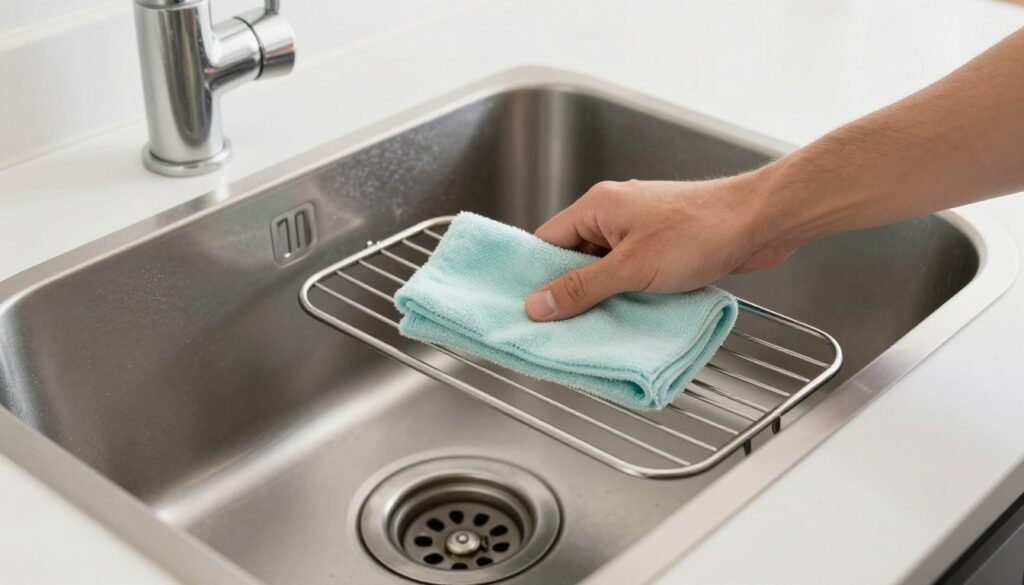
- Clean drain covers weekly to remove accumulated hair
- Flush drains with hot water after each shower or bath
- Never flush cotton swabs, dental floss, or hygiene products
- Use drain screens to prevent items from entering pipes
Winter Preparation
- Insulate exposed pipes in basements and crawl spaces
- Seal foundation cracks preventing cold air infiltration
- Maintain basement temperatures above 55°F when possible
- Know location of water shut-off for freeze emergencies
- Schedule pre-winter drain inspection and cleaning
Frequently Asked Questions About Drain Cleaning Philadelphia PA
How much does professional drain cleaning cost in Philadelphia?
Drain cleaning costs vary based on problem severity and location. Simple kitchen or bathroom drain clogs typically cost less than main sewer line blockages. Emergency service outside business hours may carry additional fees. Historic properties requiring specialized gentle techniques might involve higher costs due to extra care needed. Main sewer line cleaning with camera inspection represents a larger investment than basic fixture drain service. Tree root removal from drain lines costs more than simple grease or hair blockage clearing. Row home shared lateral cleaning costs might be divided among multiple property owners. Factors affecting price include accessibility of drain lines, length of cable run needed, and whether excavation becomes necessary for repairs discovered during cleaning.
How quickly can I get emergency drain cleaning service in Philadelphia?
Emergency drain cleaning services typically respond within one to two hours in Philadelphia, depending on time of day and contractor availability. True emergency services operate around the clock, including nights, weekends, and holidays. Response times may vary slightly based on your specific neighborhood location and current service demand. Center City locations often receive faster response than outlying areas due to contractor proximity. Winter weather can slow emergency response times when contractors face high call volumes from freeze-related problems. When calling for emergency service, clearly describe the situation—sewage backing up into living spaces receives priority over slow-draining sinks. Having your address ready, including cross streets and any access complications, helps contractors arrive quickly. Some contractors provide estimated arrival times when you call, allowing you to plan accordingly while waiting for service.
Will drain cleaning damage my historic Philadelphia home’s old pipes?
Professional contractors experienced with historic Philadelphia properties use appropriate techniques that protect aging pipes. Camera inspection before cleaning reveals pipe condition and helps contractors select suitable cleaning methods. Gentle cable work with appropriate cutting heads clears blockages without puncturing thinned cast iron. Controlled hydro-jetting pressure settings prevent damage to fragile clay pipes common in Old City and Society Hill homes. Contractors familiar with colonial-era and Victorian-era plumbing understand material limitations and work within safe parameters. Sometimes inspection reveals pipes too deteriorated for any cleaning method, requiring replacement planning instead. Reputable contractors explain pipe conditions and recommend appropriate actions rather than risking damage through aggressive cleaning of compromised pipes. Proper technique by experienced professionals actually extends pipe lifespan by removing buildup before it causes complete blockages requiring emergency intervention that might damage weakened systems.
What should I do if my row home shares a drain line with neighbors and we have a clog?
When shared drain lines clog in Philadelphia row homes, communication with neighbors becomes essential. First, determine if multiple homes experience the problem—if so, the blockage likely exists in the shared lateral rather than individual home lines. Contact your immediate neighbors to compare drainage symptoms and timing. Camera inspection helps pinpoint exact blockage location, determining whether the clog falls within individual property responsibility or shared lateral areas. Review property deeds or homeowners association documents that may specify maintenance responsibilities for shared drain infrastructure. Cost sharing for shared lateral cleaning is common practice among row home owners. Coordinate contractor access if work requires entry through neighboring properties. Document the problem and service performed for future reference. Establish preventive maintenance schedules with neighbors to reduce future shared line problems. Some neighborhoods form informal maintenance agreements where attached homes alternate covering costs or share expenses for annual preventive cleaning of shared laterals. Professional contractors experienced with Philadelphia row homes can guide proper responsibility determination based on problem location.
How can I prevent my Philadelphia home’s drains from freezing in winter?
Preventing drain freeze damage in Philadelphia requires multiple protective measures before winter arrives. Insulate exposed pipes in unheated basements, crawl spaces, and along exterior walls using foam pipe sleeves. Apply heat tape with thermostatic controls to particularly vulnerable sections. Seal rim joists and foundation cracks to prevent cold air infiltration into basement areas. Maintain basement temperatures above 55°F when possible during cold snaps. Disconnect and drain outdoor hoses, then insulate or cover exterior hose bibs. For pipes in exterior walls, open cabinet doors during extreme cold to allow warm room air circulation. During severe cold events, letting faucets drip slightly keeps water moving through pipes, reducing freeze risk. Know the location of your main water shut-off valve in case pipes freeze and you need to prevent pressure buildup. Schedule pre-winter drain inspection and cleaning to ensure proper drainage—standing water in low spots or bellied sections freezes more readily than pipes that drain completely. Consider professional assessment of particularly vulnerable areas to implement targeted protection strategies before temperatures drop below 20°F.
Still Have Questions? Talk to a Philadelphia Drain Specialist
Get answers specific to your property’s drain situation from experienced contractors familiar with Philadelphia’s unique challenges. Available 24/7 for emergencies and consultations.
Drain Cleaning Services Across Philadelphia Neighborhoods
Professional drain cleaning Philadelphia PA services reach all city neighborhoods, each with unique characteristics requiring specialized knowledge. From Center City’s high-rises to South Philadelphia’s classic row homes, experienced contractors understand local infrastructure and common problems specific to each area.
Neighborhood-Specific Drain Challenges
Center City and Old City (19101, 19102, 19103, 19107)
Center City combines modern high-rise buildings with historic structures. High-rise vertical drain systems require specialized equipment and expertise. Old City’s colonial-era properties need contractors familiar with centuries-old pipes. Mixed-use buildings combine residential and commercial drain demands. Street-level businesses face grease problems from restaurant operations. Dense urban environment means limited access for service vehicles and equipment.
Fishtown and Northern Liberties (19125)
This rapidly developing area features many converted industrial buildings with original drain systems stressed by residential conversion. Modern fixture installations connected to vintage pipes create capacity mismatches. New construction alongside historic buildings presents varied drain system types. Young families with multiple children increase household drain usage beyond original system design. Basement finishing projects add fixtures to previously minimal drain systems.
South Philadelphia and Passyunk (19145, 19146, 19147)
South Philly’s extensive row home neighborhoods mean shared drain lateral issues affect most properties. Close-set houses with minimal side yards complicate drain line access for repairs. Street trees common throughout neighborhoods create root intrusion problems in aging laterals. Mix of original longtime residents and new homeowners affects maintenance history knowledge. Many properties retain original early-1900s drain systems requiring careful handling during service.
Manayunk and Roxborough (19127)
Hillside locations create unique drainage challenges with gravity working differently than flat neighborhoods. Properties built on slopes may have unusual drain line routing. Older homes in historic Manayunk Main Street area have vintage plumbing similar to Old City. Newer developments on hilltops have modern systems but may face different problems. Distance from Center City means ensuring contractor serves these northwest neighborhoods.
Kensington (19134)
Similar to Fishtown, Kensington has many renovated industrial buildings and updated row homes. Working-class neighborhood history means some properties have deferred maintenance requiring catch-up work. Mix of rental and owner-occupied properties affects maintenance consistency. Older drain infrastructure throughout the area needs regular professional attention. Economic diversity means demand for fair, transparent pricing from contractors.
Service Coverage
Professional drain cleaning contractors serve all Philadelphia ZIP codes including 19101, 19102, 19103, 19107, 19125, 19127, 19134, 19145, 19146, and 19147. Emergency service reaches all neighborhoods with equal priority. Response times may vary based on contractor location and current service demand, but all areas receive full professional service.
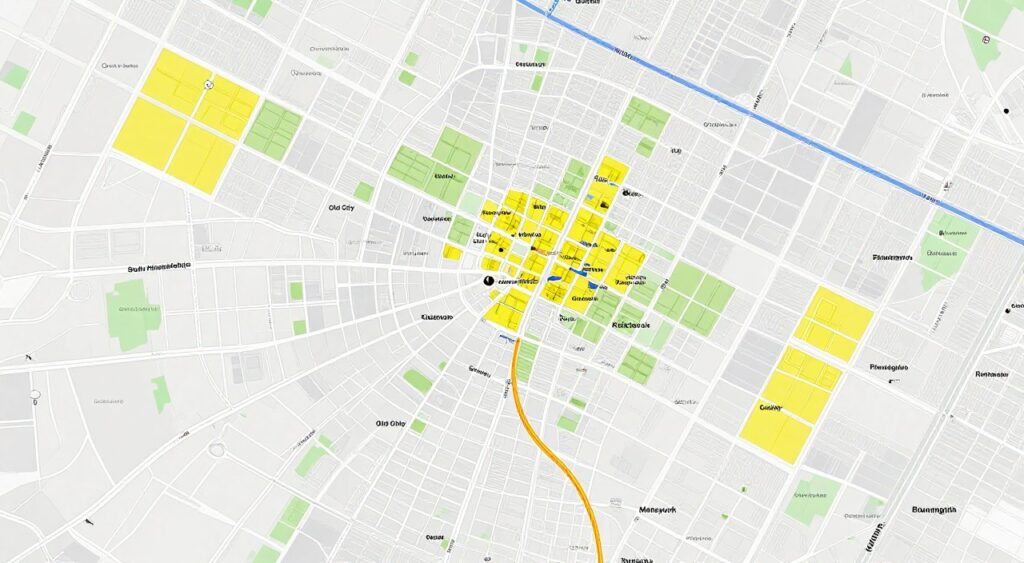
Professional Drain Cleaning Protects Philadelphia Properties
Philadelphia’s unique architectural heritage and urban infrastructure create drain cleaning challenges unlike those in other cities. Colonial-era pipes in historic neighborhoods demand specialized care. Row home shared drain lines require coordinated maintenance approaches. Winter freeze-thaw cycles threaten aging systems throughout the city. High-rise buildings need expertise with vertical drain stacks. Each neighborhood presents distinct characteristics affecting drain system performance and maintenance needs.
Professional drain cleaning services protect property value and prevent emergency disasters. Regular maintenance extends pipe lifespan, particularly important in historic homes where replacement proves expensive and complicated. Emergency services provide crucial support when drains fail during nights, weekends, or holidays. Experienced contractors familiar with Philadelphia’s specific challenges deliver more effective service than those unfamiliar with local conditions.
Whether facing emergency backups or planning preventive maintenance, Philadelphia homeowners benefit from connecting with qualified drain cleaning specialists. Understanding your property’s unique characteristics—its age, construction type, neighborhood location, and drain system configuration—helps you communicate effectively with contractors and receive appropriate service. Investing in proper drain care maintains Philadelphia’s historic properties while ensuring modern functionality for contemporary living.
Connect with Philadelphia Drain Cleaning Experts Today
Professional drain cleaning services available 24/7 across all Philadelphia neighborhoods. From emergency backups to preventive maintenance, experienced contractors understand your property’s unique needs.