Fast, licensed Phoenix drain cleaning specialists — ready to respond anytime to protect your home.
Phoenix homes face persistent drain issues from very hard water, shifting caliche soil, and extreme temperature swings. When a clog threatens your plumbing or an emergency plumbing situation develops during summer heat or monsoon storms, call licensed local contractors who know these regional conditions and deliver lasting solutions.
Don’t let a minor slowdown turn into a costly backup — emergency drain services are available now to clear clogs, diagnose the root cause with video inspection, and protect your plumbing system.
Emergency Drain Cleaning Available Now
24/7 emergency plumbing and drain services across the Phoenix metro. Licensed & insured technicians, prompt dispatch, and verification available on request.
Why Phoenix Drains Clog Faster Than Anywhere Else
Phoenix tap water carries high levels of dissolved minerals—mainly calcium and magnesium—which promote rapid scale formation inside pipes. Over time that mineral scale narrows drain passages, so homeowners in this region schedule professional drain cleaning more often than in softer-water areas.
As mineral deposits build on pipe walls they create rough surfaces that trap debris like hair, soap residue, and grease. A modest slowdown in flow can quickly become a stubborn clog that common DIY fixes and chemical cleaners won’t fully remove.
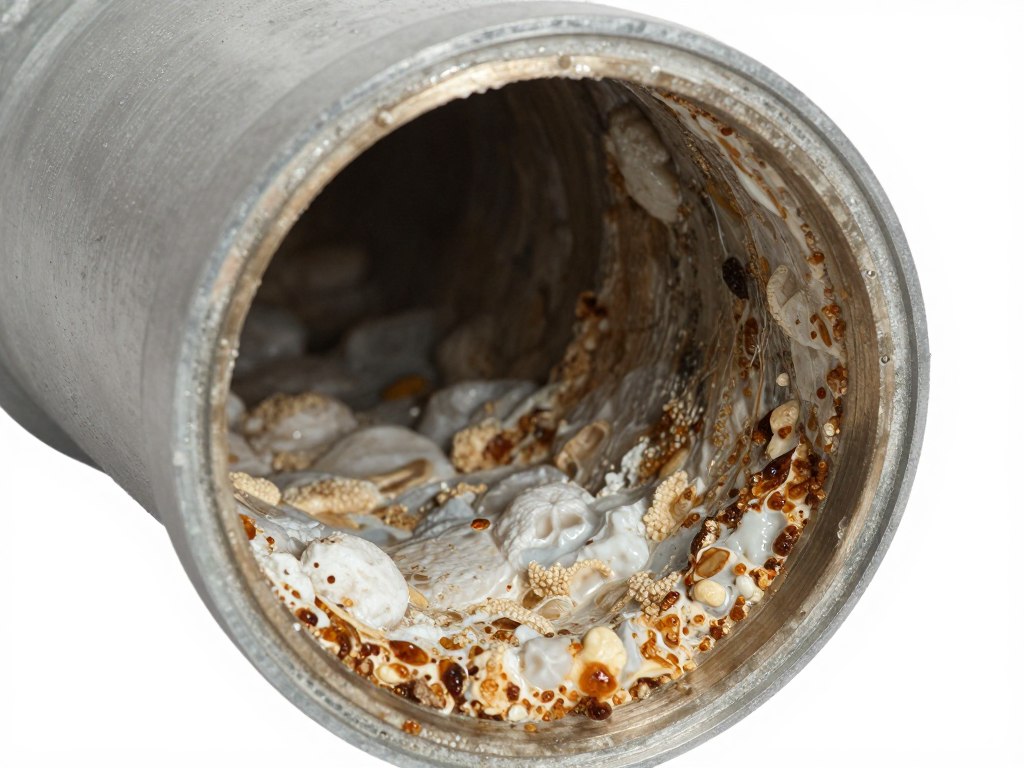
Sediment from water heaters makes the issue worse: mineral-heavy water leaves scale inside heaters, and when particles break loose they travel through your plumbing and can settle in drain lines. Regular water heater maintenance plus scheduled professional drain cleaning removes this sediment before it contributes to major backups.
Quick homeowner steps: run a 2–3 minute hot-water flush down kitchen and bathroom drains weekly to slow new buildup, use drain screens to catch hair and food debris, and schedule professional cleaning when you notice repeated slow drains or lingering odors.
Caliche Soil and Monsoon Season Pipe Damage
The desert soil around Phoenix commonly contains caliche, a hardened layer of calcium carbonate found in many yards and building sites. During monsoon season (typically July through September), heavy rains can saturate that soil and trigger ground movement that stresses underground sewer lines and drainage pipes.
When caliche shifts or expands, buried pipes can crack, separate at joints, or even collapse. Those structural failures allow dirt and debris into your sewer line, producing blockages that routine drain cleaning alone won’t fully resolve.
Pre-Monsoon Drainage Issues
- Slow draining sinks and tubs
- Gurgling sounds from drains
- Water backing up in multiple fixtures
- Unpleasant odors from drain openings
Post-Monsoon Emergency Signs
- Complete drain blockages
- Sewage backup in lowest drains
- Wet spots in yard above sewer lines
- Multiple drains failing simultaneously
Before and after the monsoon, check low spots in your yard for new wet areas and watch for simultaneous failures inside the home—these are classic signs of sewer line damage rather than a simple clog. Safe homeowner how-to: look for unusually green patches, soft or sunken soil, and standing water over cleanout areas; avoid digging yourself and document locations with photos to share with a technician.
Professional technicians use video camera inspection to distinguish mineral or grease buildup from root intrusion or soil-shift damage so you get the right repair instead of wasted cleaning attempts. If you see wet areas above the pipe, multiple fixtures failing, or visible cracks in yard surfaces, prioritize a camera inspection rather than a standard snaking service.
Summer Heat Pipe Expansion and Contraction Problems
Phoenix summers regularly push temperatures very high, and that daily thermal cycling puts stress on your home’s plumbing. Drain pipes expand during hot daytime temperatures and contract as things cool, which over time can loosen joints and create small gaps where debris and sewer gases collect.
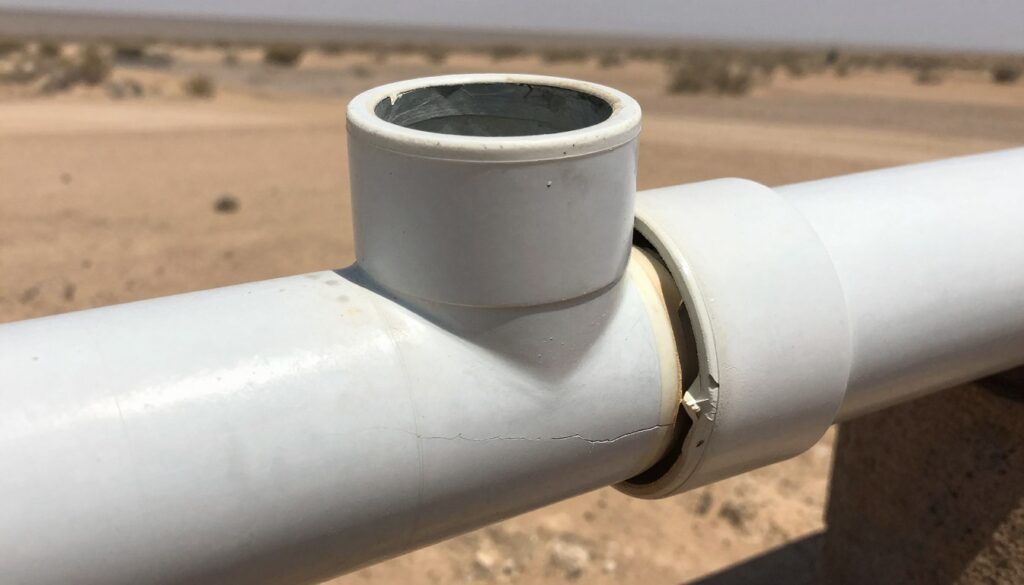
PVC pipes—common in newer builds across Chandler, Gilbert, and Mesa—can experience joint loosening under extreme heat, allowing sewer gases to escape and debris to collect in separated sections. Metal pipes like cast iron or galvanized steel behave differently; differential expansion between metal and surrounding materials can increase stress, accelerate corrosion, and lead to leaks or hairline cracks.
Watch for homeowner signs such as new or worsening odors, small leaks at joints, hairline cracks in exposed piping, or drains that began slowing after a prolonged heatwave. Quick safety tip: do not attempt major repairs yourself—only tighten visible fittings if you are comfortable and the water is off; otherwise call a professional.
Preventive steps: visually inspect accessible pipes after heat spells, schedule a professional inspection 2–4 weeks before peak summer to catch issues early, and include hot-water system maintenance as part of annual plumbing upkeep to reduce sediment-related problems that can affect drains.
PVC Pipes and Root Intrusion in New Construction Areas
Rapid growth in Chandler, Gilbert, and Mesa has put thousands of new homes on PVC drainage systems. While PVC resists corrosion, joints and small gaps can still attract tree roots seeking moisture—especially with desert landscaping that includes mesquite, palo verde, and acacia.
Roots detect moisture from tiny leaks or vapor near pipe joints and enter through small openings. Once inside, roots expand into dense mats that restrict flow and cause recurring drain problems that simple cleaning won’t permanently fix.
Early Root Intrusion Warning Signs
- Drains that clear slowly then return to normal
- Toilet water level fluctuations
- Seasonal changes in drainage performance
- Lush green patches in the yard above sewer lines
- Visible roots near cleanout access points
Advanced Root Damage Symptoms
- Complete drain stoppages requiring emergency service
- Multiple fixture backups throughout the home
- Recurring clogs despite recent cleaning
- Sewage odors in the yard or inside the house
- Soft or sunken areas above underground pipes
Professional drain cleaning for root intrusion uses specialized tools—rotating cutting heads and targeted hydro jetting when appropriate—to remove roots while minimizing pipe damage. Technicians follow up with video inspection to confirm full removal and to evaluate pipe condition. If the line shows cracks or repeated intrusion, contractors may recommend repair options like cured-in-place pipe lining (less invasive, extends pipe life) or targeted replacement (better for collapsed or heavily damaged sections).
Prevention tips: avoid planting water-thirsty trees near sewer lines; install root barriers when landscaping near known sewer routes; and schedule periodic inspections if you notice early warning signs. Compared to repeated repairs, a properly installed root barrier or early lining can be more cost-effective over the long term—ask your plumber for a site-specific recommendation and maintenance schedule.
Connect With Local Phoenix Drain Specialists
Licensed contractors available 24/7 for emergency drain cleaning and root removal across Scottsdale, Tempe, Mesa, and the greater Phoenix area.
Emergency Drain Cleaning Phoenix Neighborhoods and Service Areas
Drain emergencies don’t keep regular hours. A backed-up kitchen sink at midnight or a flooded bathroom on Sunday morning needs immediate action. Emergency drain cleaning services operate around the clock across the Phoenix metro so help arrives when you need it most.
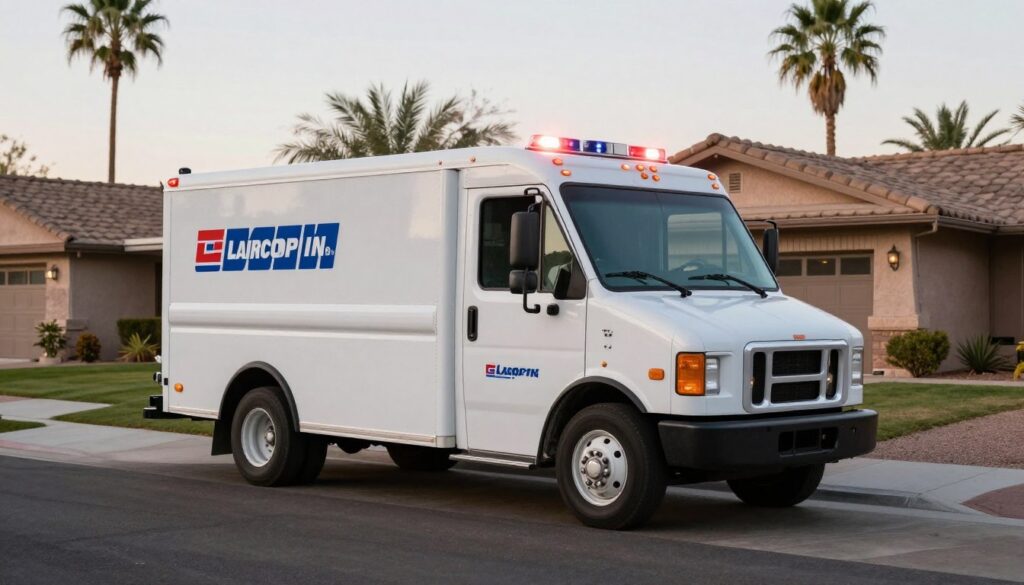
Scottsdale homeowners (ZIPs like 85254 and 85250) often call emergency drain services for complex, luxury systems with multiple water heaters, commercial-style kitchens, and extensive outdoor drainage—systems that require contractors experienced with high-end plumbing configurations.
Tempe (including areas around 85281) combines older plumbing and new construction. Many Tempe drain lines were installed decades ago and are more vulnerable to Phoenix’s mineral-heavy water; those aging systems benefit from more frequent maintenance to avoid unexpected failures.
Ahwatukee and Arcadia Drain Service
Ahwatukee (85044) properties face slope-related drainage challenges—gravity affects how water moves through hillside systems and can create unusual clog locations. Arcadia (85016) has many mid-century homes with original cast-iron drain lines that can corrode internally; these properties need regular inspection and professional cleaning to stay functional.
Paradise Valley, Chandler, and Mesa Coverage
Paradise Valley estates require contractors who understand sophisticated plumbing networks—multiple bathrooms, complex water heater setups, and high-capacity kitchen equipment. Chandler (85224) combines newer PVC systems and older installations, so technicians must be prepared to work on a wide range of pipe materials and repairs.
Mesa (85201) contains some of the region’s oldest residential plumbing. Drain services in Mesa often encounter unexpected pipe layouts or legacy materials that require creative troubleshooting and tailored solutions.
Need emergency dispatch to your neighborhood now? Call immediately for priority response.
Glendale and Peoria Drain Cleaning Services
Glendale homeowners (areas like 85301) frequently deal with a mix of older and newer plumbing. Older properties often have galvanized steel pipes that corrode internally, producing rough interiors that trap debris and grease and lead to faster clogs compared with smooth PVC or copper lines.
Peoria’s growing communities combine master-planned developments with modern plumbing and established neighborhoods with aging systems. Contractors serving Peoria must bring the right equipment and experience to handle both advanced installations and vintage pipe materials.
Both Glendale and Peoria contend with hard water that speeds mineral buildup inside drain pipes, increasing the need for professional maintenance. Homeowner tip: if you notice recurring grease clogs in the kitchen or persistent slow drains after hot-water use, schedule an inspection—early service prevents emergency repairs.
How to spot a grease clog: slow draining after cooking, unpleasant kitchen odors, and recurring backups near the disposal are common signs. Immediate homeowner steps: avoid using chemical cleaners, scrape grease into a container before rinsing, run cold water with the disposer, and call a drain services professional if the problem returns.
Schedule a Glendale or Peoria Inspection
Local technicians available for same-day or scheduled inspections and maintenance. Call to book an inspection and stop grease and mineral clogs before they become emergencies.
Clogged Drain Phoenix: Common Causes and Solutions
Understanding what causes clogs helps Phoenix homeowners prevent emergencies and decide when to call a pro. Local factors—very hard water, high heat, and desert landscaping—combine to create drain problems that often require professional drain cleaning and targeted maintenance.
Hard Water Mineral Accumulation
Phoenix tap water deposits calcium and magnesium inside drain pipes each time you run water. Hot water accelerates that process, so kitchen sinks and showers with frequent hot use build scale faster. Over months and years these mineral layers narrow pipe openings and create rough surfaces that trap other debris.
Quick homeowner step: run a 2–3 minute hot-water flush down kitchen and bathroom drains weekly to slow new buildup (use caution with scald risk for children or elderly), and schedule professional cleaning if you notice repeated slow drains.
Grease and Food Debris Problems
Cooking grease combines with mineral scale to form sticky coatings that capture food particles. In hard-water areas this interaction produces dense, growing blockages faster than in softer-water regions. Don’t pour oils down the sink—scrape plates into the trash and collect grease in containers for disposal.
Items That Damage Drains
- Cooking oils and animal fats
- Coffee grounds and eggshells
- Pasta and rice that expands
- Fibrous vegetables and peels
- Flour-based products
- Paint and harsh chemical cleaners
Drain-Safe Disposal Practices
- Scrape plates into trash before rinsing
- Collect grease in containers for disposal
- Use drain screens in all sinks
- Run cold water when using a disposal
- Perform regular hot-water flushes weekly
- Schedule preventive drain maintenance
Professional Cleaning Benefits
- Complete blockage removal
- Video inspection identifies damage and exact causes
- Extends drain system lifespan
- Prevents emergency backups
- Removes mineral scale buildup
- Restores proper drainage flow
Hair and Soap Scum Blockages
In bathrooms, hair mixes with soap scum and mineral deposits to form dense mats that block drains. Hard water leaves more residue, making soap scum stickier and harder to flush away than in soft-water areas.
Use drain screens and clean them weekly. If bathroom drains clog repeatedly, consider professional drain cleaning—technicians use specialized tools to remove hair and will inspect for underlying mineral buildup or pipe damage that causes recurring problems.
When to call a pro versus DIY: try DIY steps for a single slow sink (clean screens, hot-water flush). Call professional drain services if clogs recur, affect multiple drains, produce sewage odors, or follow signs of pipe damage.
Phoenix Drain Problems? Get Help Now
Connect with experienced local contractors who understand Phoenix-specific drainage challenges. Available 24/7 for emergencies and scheduled cleaning; ask about hydro jetting and video inspection for stubborn clogs.
Signs You Need Professional Drain Cleaning Services
Catching drain problems early saves Phoenix homeowners from costly emergency repairs. Below are clear signs your drains or main sewer line need professional attention—plus quick, safe steps you can take before calling a technician.
Slow Drainage Throughout the Home
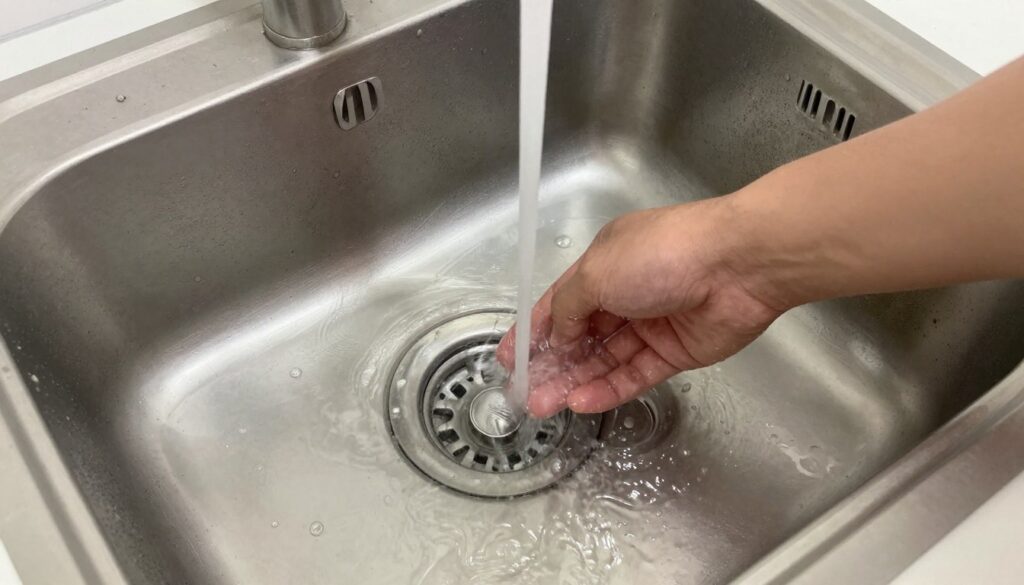
Signs: multiple fixtures draining slowly or water pooling in more than one location suggest an issue in the main sewer line rather than a single trap. A slight slowdown can progress to a full backup if ignored.
- Home checklist: run a cold-water flush at each fixture, check outdoor cleanouts for standing water, and note whether multiple drains are affected.
- When to call: if two or more fixtures are slow or you see standing water, schedule a video inspection to locate the blockage before it becomes an emergency.
Recurring Clogs in the Same Drain
Signs: a specific sink or shower that clogs repeatedly even after plunging or short-term DIY fixes.
- Home checklist: remove and clean strainers, avoid harsh chemical cleaners that can damage pipes, and use a manual auger only if you’re experienced and comfortable doing so.
- When to call: recurring clogs typically indicate an underlying problem—root intrusion, mineral scale, or a partial collapse—and need professional drain cleaning and diagnostics.
Unpleasant Odors From Drains
Signs: persistent foul smells from one or more drains indicate trapped organic material; sewer-gas odors can point to damaged pipes, failed traps, or venting issues.
- Home checklist: run water in seldom-used drains, pour a bit of water into traps to reseal them, and inspect for visible leaks or dried-out P-traps.
- When to call: if odors persist after these checks, request a professional inspection—odors often signal deeper blockages or structural problems needing repair.
Gurgling Sounds From Drains or Toilets
Signs: gurgling or bubbling noises mean air is trapped in the system, typically because of partial blockages that prevent proper venting.
- Home checklist: note when the gurgling happens (after using another fixture, during storm events) and how often it occurs.
- When to call: gurgling frequently precedes more serious backups—call for professional drain services to diagnose and clear the obstruction before damage occurs.
- Emergency – Call now: visible sewage, overflowing fixtures, standing water inside the home.
- Urgent – Schedule today: multiple slow drains, persistent odors, recurring clogs.
- Routine – Book maintenance: a single slow sink, periodic video inspection, preventive cleaning.
Professional Drain Cleaning Methods Used in Phoenix
Experienced technicians use several proven methods to clear clogs and restore proper flow. The best approach depends on the clog type, location, pipe material, and severity—so professional drain cleaning delivers reliable results that DIY attempts often cannot match.
Motorized Drain Snake Technology
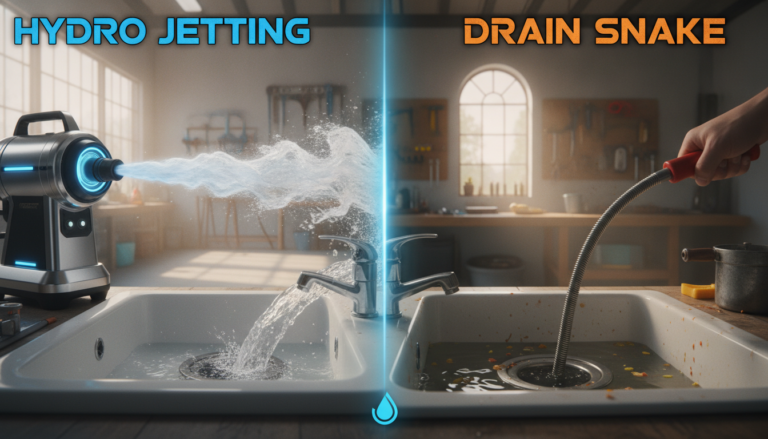
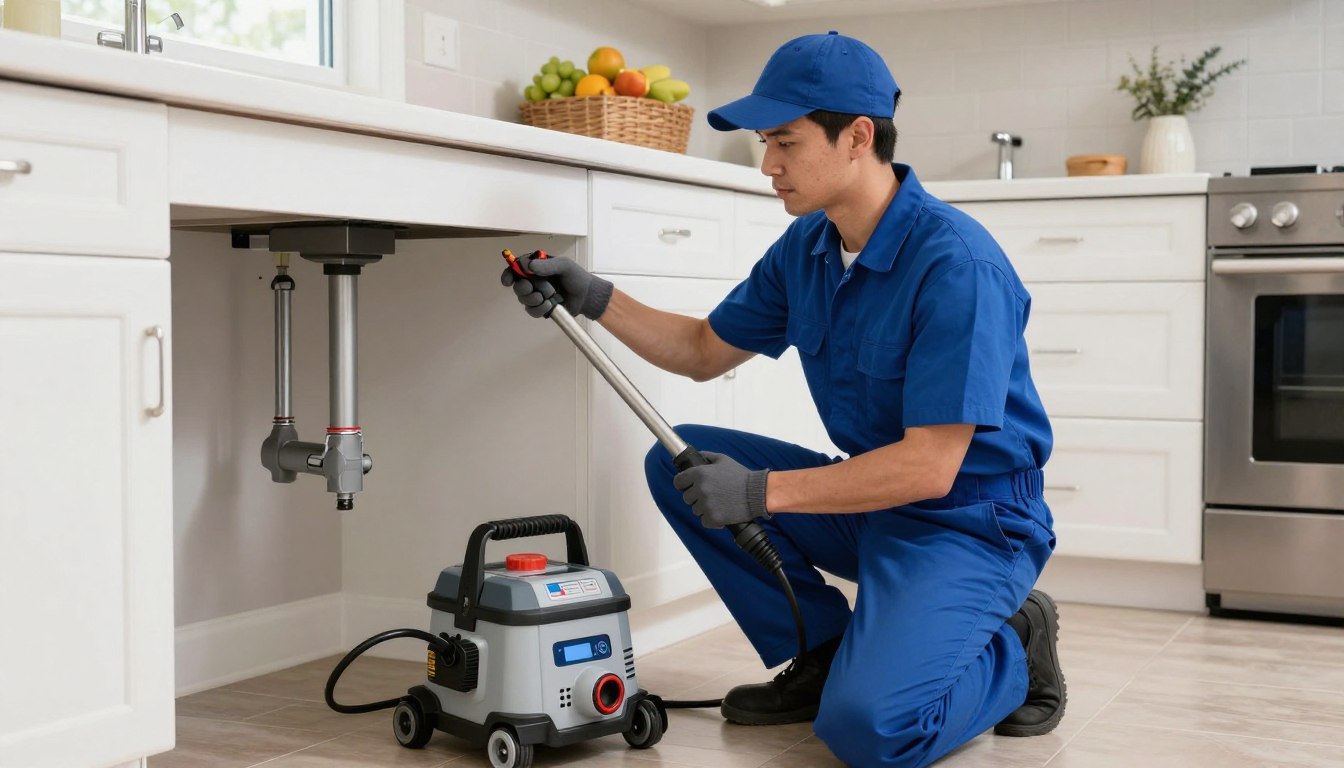
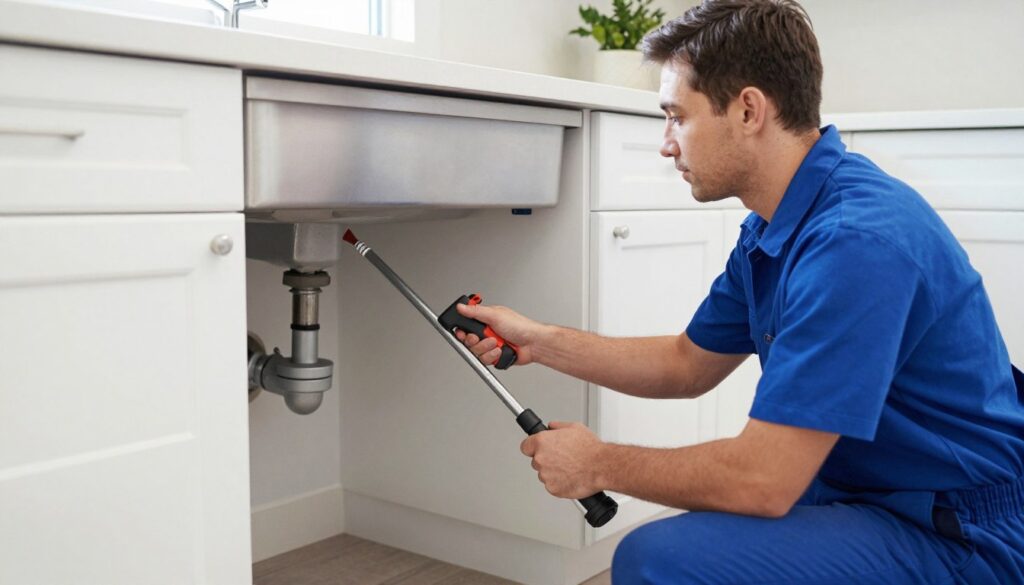
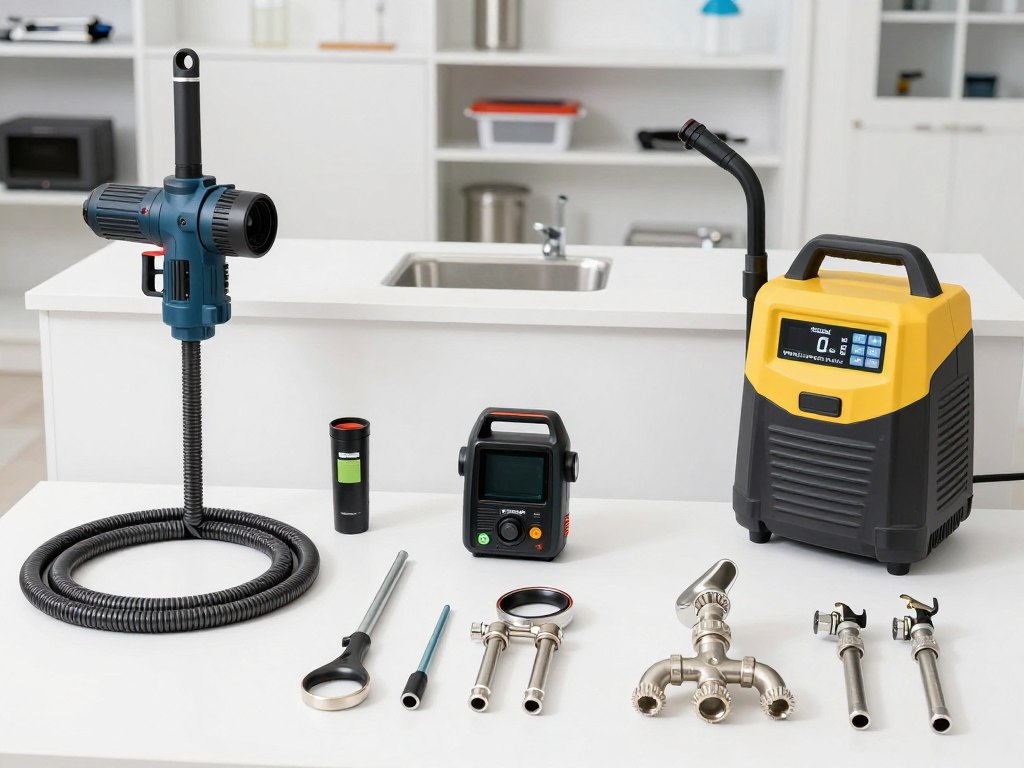
Motorized drain snakes use rotating cables with cutting heads to slice through hair, grease, and light root intrusions. Technicians pick cable size and head style to match the pipe diameter and clog type, applying controlled force to clear the obstruction while minimizing risk to the line. Snaking is efficient for many common blockages, especially in bathroom and other smaller-diameter drains.
Hydro Jetting for Severe Blockages
Hydro jetting blasts high-pressure water through pipes to scour mineral scale, grease coatings, and entrenched debris—restoring pipe interiors close to their original condition. For Phoenix homes with heavy hard-water buildup or persistent grease layers, hydro jetting often provides a longer-lasting cleaning than mechanical snaking.
Safety note: hydro jetting is powerful and may not be appropriate for very old, heavily corroded, or cracked cast-iron pipes. A video camera inspection before aggressive cleaning helps technicians decide whether hydro jetting is safe and effective for your plumbing.
Video Camera Inspection Services
Video camera inspections let technicians see inside pipes in real time to identify the exact cause and location of a problem—clog, root intrusion, crack, or joint separation. Performing a camera inspection before aggressive cleaning avoids unnecessary or damaging treatments and guides accurate repair recommendations. Technicians typically provide the inspection footage or a still-image report so you can see the condition yourself.
When We Choose Which Method
- Snaking: small-diameter bathroom drains, hair and soap scum, quick clearing needs.
- Hydro jetting: severe grease, mineral scale, or repeated clogs where a deeper clean is required.
- Repair or lining: visible cracks, collapsed sections, or repeated intrusion shown on camera—cleaning alone won’t solve the problem.
What to Expect During a Service Visit
- Initial assessment and safety check of affected fixtures and access points.
- Video inspection to diagnose the problem and choose the right method.
- Cleaning with a motorized snake or hydro jetting as appropriate.
- Post-cleaning camera run to confirm blockage removal and inspect pipe condition; footage and a short report provided on request.
- Technician explanation of findings, repair recommendations (if any), expected cleanup, and preventive tips.
Professional Drain Solutions for Phoenix Homes
Local technicians use advanced equipment and diagnostic inspections to solve drain problems the first time. Call now to schedule service or request an on-site video inspection—daytime appointments reduce emergency rates and allow full diagnostics.
Preventive Drain Maintenance for Phoenix Homeowners
Regular preventive maintenance extends the life of your drain system and reduces the chance of costly emergency repairs. Because Phoenix presents hard-water, soil, and heat challenges, routine care is especially valuable—investing in maintenance prevents many emergency drain situations and saves money over time.
Recommended Maintenance Schedule
Maintenance frequency depends on household size, pipe age, and past drainage issues. Many local professionals recommend a full drain inspection and cleaning every 18–24 months for typical homes. Homes with older plumbing, large households, heavy garbage-disposal use, or prior clogs should consider annual service.
Decision rule: if you notice recurring slow drains, persistent odors, or gurgling, move from preventive care to diagnostic service (video inspection) sooner rather than later.
Monthly Homeowner Tasks
- Run a 2–3 minute hot-water flush through kitchen and bathroom drains weekly to reduce mineral buildup (use caution for children and the elderly).
- Clean drain screens and stoppers regularly to catch hair and food debris.
- Check every fixture for slow drainage and listen for unusual sounds.
- Inspect visible pipes and under-sink areas for leaks, new stains, or corrosion.
- Keep a log of recurring issues (dates, symptoms) to share with your plumber.
Professional Service Schedule
- Annual drain inspection and cleaning for higher-risk homes.
- Video camera inspection every 3–5 years or sooner if recurring problems appear.
- Water heater flush annually to remove sediment that contributes to drain debris.
- Main sewer line inspection bi-annually for older properties or those with trees nearby.
- Emergency service as needed when active backups or sewage appear.
Hard Water Treatment Solutions
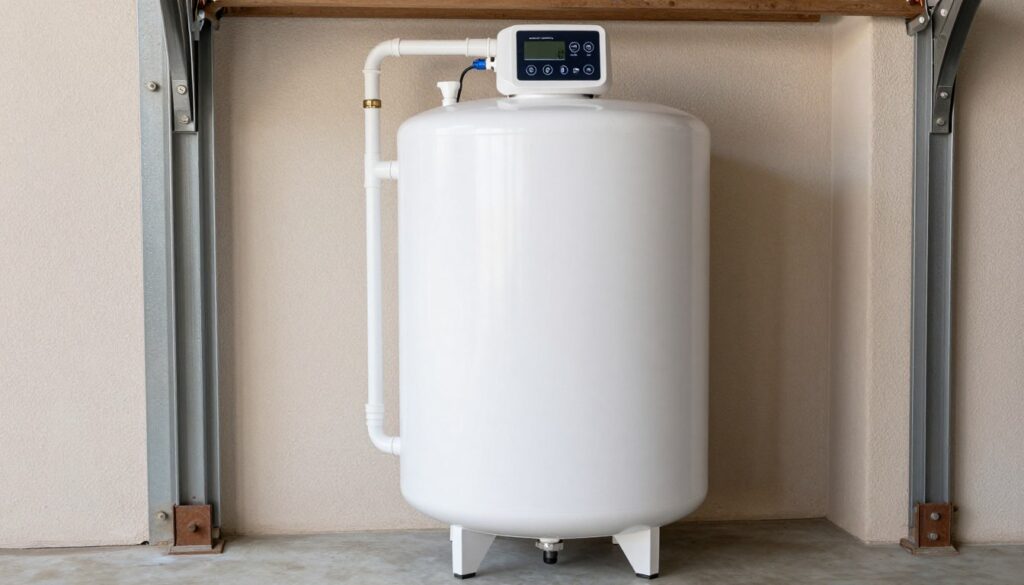
Installing a water softener reduces mineral deposits throughout your plumbing—this lowers the rate of scale buildup inside drains and water heaters, decreases the frequency of drain cleaning, and can extend pipe lifespan. Softening can deliver long-term savings by cutting down on cleaning and premature pipe replacement.
Note: a water softener does not remove existing scale. After installation, schedule professional drain cleaning to remove accumulated mineral deposits so you start with clean pipe interiors and fully benefit from softer water.
Sign Up for a Preventive Maintenance Plan
Protect your home with scheduled drain cleaning and inspections tailored to Phoenix conditions. Call to discuss plans, get a recommended schedule for your property, or book a video inspection.
Choosing a Drain Cleaning Contractor in Phoenix
Picking the right contractor ensures quality work, fair pricing, and fewer repeat visits. Before hiring any plumbing or drain cleaning service, verify a few key qualifications so you avoid unlicensed operators and get a lasting solution for your home’s drainage issues.
License and Insurance Requirements
Arizona requires plumbing contractors to hold valid licenses from the Arizona Registrar of Contractors. Ask for the contractor’s license number and verify it online or by phone. Also request proof of insurance—both general liability and workers’ compensation—so you aren’t financially responsible for on-the-job accidents.
Experience With Phoenix-Specific Issues
Local experience matters. Ask potential contractors about their work with hard-water scale, caliche-related soil shifts, root intrusion, and heat-related pipe problems common in Chandler, Gilbert, Mesa, and greater Phoenix. Contractors familiar with these conditions are more likely to recommend effective, long-term repairs instead of temporary fixes.
Equipment, Technology and Process
Modern drain work requires specialized tools homeowners don’t own. Confirm that the contractor uses motorized snakes, hydro jetting equipment, and video inspection cameras. Insist on a camera inspection before aggressive cleaning so technicians can choose methods that clear blockages without damaging fragile or corroded lines. Ask whether inspection footage will be provided with the estimate.
Questions to Ask and Red Flags
- Ask: “Can you provide your license number and proof of insurance?”
- Ask: “Do you perform a video inspection before cleaning, and will I receive the footage?”
- Ask: “What method will you use and why—snaking, hydro jetting, or both?”
- Red flags: refusal to provide license or insurance proof, insistence on cash-only payment, vague answers about methods, or no written estimate.
Get a written, itemized estimate that lists scope of work, included inspections, expected methods, cleanup responsibilities, and any warranty or guarantee on repairs. A reputable plumber will explain recommended repairs, expected lifespan improvements, and preventive maintenance to reduce future service needs.
Connect With Qualified Phoenix Drain Specialists
Our directory helps you find licensed, insured technicians experienced with Phoenix drainage systems. Available 24/7 for emergencies and scheduled service—confirm license and insurance before hiring.
Drain Cleaning Cost Factors in Phoenix
Several variables influence drain cleaning pricing in the Phoenix area. Understanding these drivers helps homeowners compare quotes, budget appropriately, and spot fair bids versus low-ball offers that may lead to repeat work or costly repairs.

Service Complexity and Location
Accessible clogs at a sink or tub typically take less time and equipment than deep main sewer line obstructions. Emergency calls (nights, weekends, holidays) usually carry a premium for immediate response. If technicians must access pipes through walls, floors, or landscaping, labor and restoration work add to the final price—ask whether restoration is included or quoted separately.
Required Equipment and Methods
Basic mechanical snaking is generally less expensive than hydro jetting because it uses simpler equipment and less setup time. Severe mineral scale, grease buildup, or entrenched root intrusion often require hydro jetting or specialized cutting heads, which raises the service level and cost. Always ask whether a video inspection is included—camera work adds upfront cost but often prevents repeat visits by identifying the true cause and avoiding unnecessary treatments.
Pipe Condition, Age and Repair Needs
Old, corroded, or damaged pipes take longer and require more careful techniques; cleaning may be only the first step before repair or replacement. Newer PVC lines usually clear faster than cast iron or galvanized pipes, but PVC with root intrusion may still need specialized cutting and follow-up repairs. Replacement is typically advised when a video inspection shows recurring structural failures, large-scale corrosion, or collapsing sections of pipe—repeated cleaning in those cases only delays the inevitable and increases lifetime cost.
Questions to Ask for Transparent Pricing
- Is a video inspection included in the estimate, and will I receive the footage?
- Is the quoted price for a standard snaking only, or does it include hydro jetting if needed?
- Are emergency or after-hours rates separate from the base quote?
- Do you provide a written, itemized estimate with scope of work, cleanup responsibilities, and any warranties?
Quick email template to request an itemized quote: “Please provide an itemized estimate for drain service at my property (address). Include whether a video inspection is included, methods likely used (snaking/hydro jetting), emergency or after-hours fees, restoration costs, and any warranty on work.” Use this to compare bids fairly.
When replacement is more cost-effective: if video inspection reveals a collapsed section, repeated root intrusion at the same joint, or extensive corrosion across a long span, replacement or cured-in-place lining often solves the problem for longer and at lower total cost than repeated cleanings and repairs.
Emergency vs. Scheduled Drain Service
Knowing when to call emergency services versus scheduling routine maintenance helps protect your home and wallet. Both service types matter—emergency plumbers stop active damage, while scheduled maintenance prevents many emergencies before they start.
When Emergency Service Is Necessary
Emergency drain cleaning is required when blockages interrupt normal home use or threaten property damage. Examples include sewage backing up into living spaces, completely blocked toilets preventing use, or water actively overflowing from fixtures. In those cases, immediate action is essential to stop damage and restore basic function.
Emergency Situations
- Sewage backing up into the home
- Multiple drains blocked at once
- Water overflowing from fixtures
- Complete toilet blockage
- Foul odors with visible waste
- Standing water inside the house
Urgent But Not Emergency
- Slow draining sinks
- Gurgling drain sounds
- Recurring minor clogs
- One drain slower than normal
- Mild drain odors
- Occasional drainage slowdown
Scheduled Maintenance
- Annual preventive cleaning
- Video pipe inspection
- Post-monsoon system check
- Pre-summer or pre-winter preparation
- After water heater replacement
- New home plumbing inspection
How to Decide: Quick Flow
- If you see sewage, overflowing water, or multiple fixtures failing → call emergency service now.
- If you have slow drains, gurgling, or recurring clogs without active overflow → schedule a diagnostic inspection during the day.
- If you want to avoid emergency rates, enroll in scheduled maintenance—regular service reduces the chance of after-hours failures.
What to Do While Waiting for Emergency Help
- Stop using affected fixtures and appliances to limit water flow.
- Turn off water at the main if you see active flooding or cannot stop the overflow.
- Contain any solid waste with towels or disposable barriers and protect carpets and belongings from contamination.
- Document the situation with photos and note the time—this helps technicians and may be useful for insurance.
Benefits of Scheduled Maintenance
Scheduling drain cleaning during normal business hours is typically less expensive than after-hours emergency calls and gives technicians time to perform thorough inspections and repairs. Regular maintenance extends the life of your drain system, improves performance, and reduces lifetime plumbing costs compared with reactive, emergency-only service. Ask about maintenance plans that include scheduled inspections to lower long-term risk and potentially reduce emergency fees.
Frequently Asked Questions About Drain Cleaning in Phoenix
How often do Phoenix homes need professional drain cleaning?
Quick answer: Many professionals recommend inspection and cleaning every 18–24 months for typical homes; higher‑risk properties may need annual service.
- Action: If your home has older pipes, a large household, heavy garbage-disposal use, or recurring slow drains, schedule annual maintenance. Otherwise, plan a professional inspection and cleaning every 18–24 months.
Why do drains clog more frequently during monsoon season?
Quick answer: Monsoon rains can saturate caliche soils and cause ground movement that stresses underground sewer lines, allowing dirt and debris to enter pipes.
- Action: Inspect low spots and outdoor drains before and after monsoon season. If you see wet areas over sewer lines, multiple drain failures, or new odors, request a camera inspection to check for soil-shift damage or blockages.
Can chemical drain cleaners damage Phoenix plumbing?
Quick answer: Yes — chemical cleaners can accelerate deterioration in already‑weakened pipes and usually deliver only temporary relief.
- Action: Avoid repeated use of harsh chemicals. For persistent clogs, schedule professional drain cleaning (snaking or hydro jetting) and a video inspection to address the underlying cause without harming pipes.
What causes the hardest tap water in Phoenix to clog drains?
Quick answer: High levels of calcium and magnesium in Phoenix water lead to mineral scale that adheres to pipe walls, narrowing drains and trapping debris.
- Action: Run periodic hot-water flushes and consider a water softener to reduce new scale formation. If you already have buildup, professional drain cleaning and a camera inspection will remove scale and assess pipe condition.
Do newer Phoenix homes need drain cleaning services?
Quick answer: Yes — new homes can still develop problems from mineral deposits and root intrusion, so early inspection is wise.
- Action: Schedule a professional drain inspection within the first few years after construction—especially if landscaping includes mesquite, palo verde, or other trees. Early detection prevents recurring issues and emergency repairs.
Professional Drain Solutions for Phoenix Challenges

Phoenix homeowners face drain challenges driven by hard water, caliche soil, extreme heat, and rapid development—conditions that increase the frequency of clogs and the need for professional drain cleaning. Recognizing these local factors helps you decide when an issue requires immediate attention and when scheduled maintenance will prevent future emergencies.
Professional drain services remove blockages completely, diagnose underlying causes with video inspection, and recommend repairs or solutions tailored to Phoenix plumbing systems. Whether you have an emergency backup or want to schedule preventive maintenance, licensed local contractors have the tools and experience to resolve the problem safely and effectively.
Before you hire, verify licensing and insurance, take photos of the affected areas, and ensure clear access to cleanouts and fixtures—these small steps speed diagnosis and repair. Scheduling a preventive inspection now can reduce the chance of costly emergency repairs later.
Get Connected With Phoenix Drain Experts Now
24/7 emergency service and scheduled appointments are available throughout Phoenix, Scottsdale, Tempe, Mesa, Chandler, Glendale, and Peoria. Licensed local contractors ready to provide lasting drain solutions and repairs.