A clogged toilet drain is one of the most common plumbing issues homeowners face. It’s inconvenient, frustrating, and often comes at the worst possible time. But before you panic, know that many clogs can be fixed without the need for a plumber. Whether it’s a minor blockage or a more stubborn obstruction, there are several ways to address the problem yourself. Here’s a step-by-step guide on what to do when you have a clogged toilet drain.
Don’t flush again!
When your toilet starts to back up, the first thing you should do is stop flushing. Flushing repeatedly can cause the water to rise higher and overflow, leading to a bigger mess. Instead, turn off the water supply by locating the shutoff valve behind the toilet and turning it clockwise. This will stop the flow of water into the bowl.
Assess the situation
Before you start taking action, assess the level of the clog. Is the water rising rapidly or just draining slowly? If it’s rising, it’s important to act quickly to prevent an overflow. If it’s just draining slowly, the problem may be less severe and could be tackled with a plunger or other DIY methods.
Use a plunger
A plunger is your best tool for clearing a clogged toilet drain. Here’s how to use it effectively:
- Choose the right plunger: Make sure you’re using a flange plunger, which is designed specifically for toilets. The regular cup-style plunger is more suited for sinks.
- Create a seal: Place the plunger in the toilet bowl, ensuring the rubber flange is completely submerged. Create a tight seal around the drain opening.
- Plunge with force: Push the plunger down, then pull it back up, maintaining the seal. Repeat the motion rapidly 10-15 times. The suction created by the plunger will help dislodge the clog.
- Test the water flow: After a few plunges, check if the water drains properly. If it does, flush the toilet to ensure the clog is fully cleared. If the water still rises or drains slowly, you may need to try other methods.
Read more: How to clean bathroom drains naturally
Try a toilet auger (plumbing snake)
If the plunger doesn’t do the trick, it’s time to use a toilet auger (also called a plumbing snake). This tool can reach deeper into the drain and break up or pull out the clog. Here’s how to use it:
- Insert the auger: Feed the cable of the auger into the toilet drain until you feel resistance.
- Turn the handle: As you rotate the handle, the cable will move through the drain, breaking up the clog or hooking onto it.
- Pull out the clog: Once you feel the obstruction loosen, pull the auger back out slowly. If the clog is dislodged, flush the toilet to check if it’s cleared.
If the auger doesn’t work, the clog may be deeper in the plumbing system and may require professional help.
Use a natural cleaning solution
If your toilet is still clogged, a natural cleaning solution might help break down the blockage. Here’s a simple method using baking soda and vinegar:
- Pour 1 cup of baking soda into the toilet bowl.
- Add 2 cups of vinegar to the bowl, and let the mixture sit for 10-15 minutes. The chemical reaction between the vinegar and baking soda can help break down grease and organic material causing the clog.
- Flush with hot water: After the mixture has had time to sit, pour hot water into the bowl and flush. The combination of the solution and hot water should help clear minor blockages.
Use hot water
Sometimes, hot water alone can help clear a clog, especially if it’s caused by grease or soap scum. Here’s how to use it:
- Boil water: Boil about 3-4 liters of water.
- Pour the hot water slowly: Pour the boiling water slowly into the toilet bowl, keeping a safe distance from the water to avoid burns.
- Let it sit: Allow the hot water to sit for 10-15 minutes. The heat can dissolve the grease or soap buildup that may be causing the blockage.
- Test the water flow: After waiting, check if the water drains properly. If it does, flush the toilet to ensure the blockage is cleared.
When to call a professional plumber
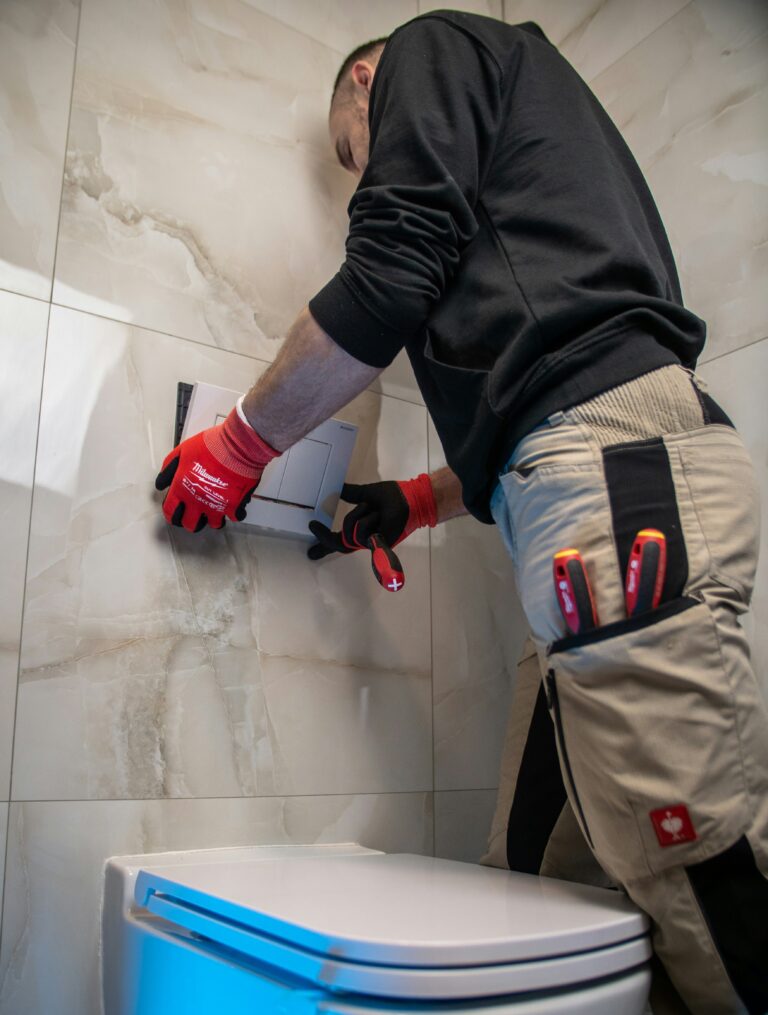
If the clog persists after trying these methods, it’s time to call a professional plumber. Here are some signs that indicate you need professional help:
- Frequent clogs: If the toilet clogs frequently, it could be a sign of a more serious underlying issue, such as damaged pipes or tree root infiltration.
- Complete blockage: If nothing seems to work, there may be a serious obstruction deep within your plumbing that requires specialized equipment.
- Water backup: If the toilet continues to overflow or if you notice backups in other drains in your home, the issue may be in the main sewer line and should be addressed immediately by a professional.
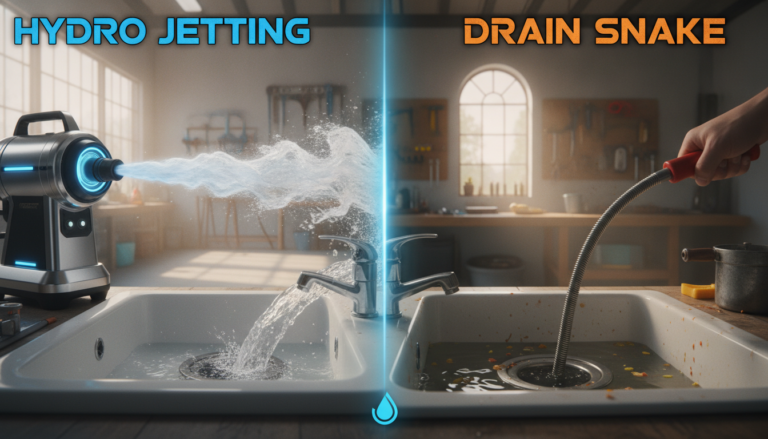
Plumbers have specialized tools like camera inspections and hydro jetting to effectively diagnose and resolve deep clogs or plumbing issues without causing damage.
Prevent future clogs
Once your toilet is unclogged, it’s important to take steps to prevent future blockages. Here are some tips for keeping your toilet drains clear:
- Avoid flushing non-toilet paper items: Never flush wet wipes, feminine hygiene products, or paper towels. These items can cause significant blockages in your pipes.
- Use less toilet paper: Excessive toilet paper can cause clogs, especially if it’s flushed all at once. Use only what’s necessary to avoid overloading your pipes.
- Regular cleaning: Occasionally clean your toilet with natural products like baking soda and vinegar to prevent buildup in your pipes.
Read more: Pipe materials compared : copper, PER or multilayer?
A clogged toilet drain can be a hassle, but with the right tools and techniques, you can often fix it yourself. Start with a plunger, then move on to a toilet auger if necessary, and use natural solutions like baking soda and vinegar to keep your pipes clean. If these methods don’t work, it may be time to call in a professional plumber to handle more serious issues. By maintaining your toilet regularly and being mindful of what goes down the drain, you can avoid future blockages and keep your plumbing running smoothly.