Clogged pipes aren’t just a nuisance; they can disrupt your entire home and lead to costly repairs. Choosing the right tools to clean your pipes therefore becomes essential to avoid long-term inconvenience. In 2025, solutions are diversifying and improving, with tools that are more efficient and easier to use. From manual augers to high-pressure cleaners, each technology has its own specific features.
Why pipe cleaning is important for your home
Regular pipe maintenance helps prevent costly and unpleasant problems. When neglected, blockages can form, leading to leaks or foul odors. Imagine the scenario: a clogged pipe causing water to overflow in your kitchen or bathroom, or unpleasant smells spreading throughout your home. These issues can quickly become a source of stress, especially when they become recurring.
The importance of regular pipe maintenance
A simple preventive cleaning can save you from major headaches. Blockages form gradually, sometimes without you noticing. Small accumulations of grease, hair, or food debris can block the flow of water, increasing the pressure in your pipes and leading to leaks or breaks. Keeping your pipes clear helps extend their lifespan and keeps your plumbing system in good condition.
Consequences of neglecting your pipes (Leaks, Foul Odors, Blockages)
If you ignore the signs of blockages, the consequences can quickly become severe. In addition to leaks and foul odors, neglected pipes can cause significant damage to your property. The earlier you act, the fewer risks there will be for your home and finances. Don’t let plumbing problems escalate, be proactive in preventing them before they worsen.
The most common pipe problems
Several types of problems can arise in your pipes. The cleaning tool choice will vary depending on the source of the blockage.
Accumulation of grease and food debris
Kitchens are often the first to experience blockages due to the accumulation of grease and food debris in the pipes. Over time, grease solidifies and clogs the flow of water, making drainage difficult and causing stagnation. Not only does this slow down water flow, but it can also create unpleasant smells in your home. Regularly removing grease is vital to avoid these discomforts.
Tree roots and solid obstructions
Tree roots can infiltrate pipes, especially in clay pipes. They infiltrate through small cracks, and over time, they create actual blockages, completely blocking the flow of water. These roots can develop in large quantities, making cleaning and repairs more complex and costly. Identifying these blockages early is essential because they can damage your pipes and require major repairs.
Foul odors and water stagnation
Clogged pipes can also lead to unpleasant odors rising from the pipes. This is often caused by the accumulation of organic debris, grease, or food residues. These foul odors can spread throughout the home, making the environment uncomfortable. In addition to the smell, water stagnation can also cause mold, which can affect indoor air quality.
Different pipe cleaning tools in 2025
There is a wide range of tools available for pipe cleaning. The right choice depends on the type of problem you need to solve. Each tool has specific advantages depending on the situation.
The manual auger: a classic and effective tool
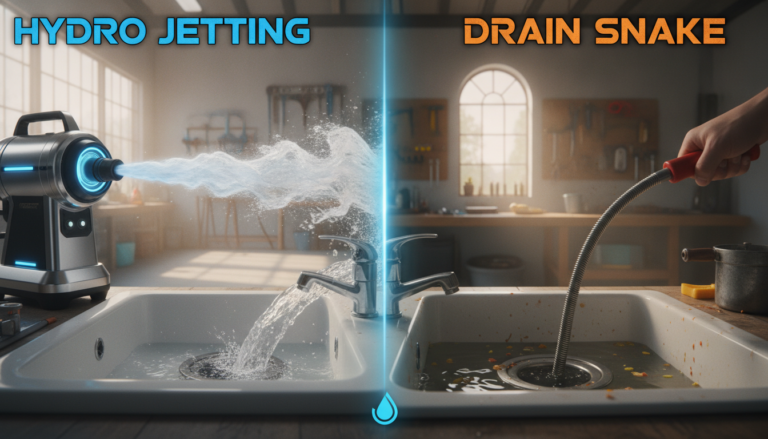
The manual auger remains a popular tool because of its simplicity and effectiveness. It consists of a flexible cable, often made of metal, which is operated manually to dislodge blockages in pipes. It is particularly useful for light to moderate blockages. This tool is perfect for a quick unclogging without the need for chemicals, and it is ideal for superficial blockages, like hair or food residue.
Advantages and disadvantages
It’s easy to use, inexpensive, and doesn’t require chemicals. However, it can be limited when dealing with more severe or deep blockages. If the clog is too deep or too tough, the manual auger might not suffice. Therefore, it’s essential to understand the nature of the blockage before using it.
When to use it?
The auger is ideal for superficial blockages, such as accumulations of hair or grease in bathroom and kitchen pipes. If you’re dealing with a light blockage or one near the pipe’s entrance, the manual auger is a great choice.
High-pressure cleaners: for stubborn blockages
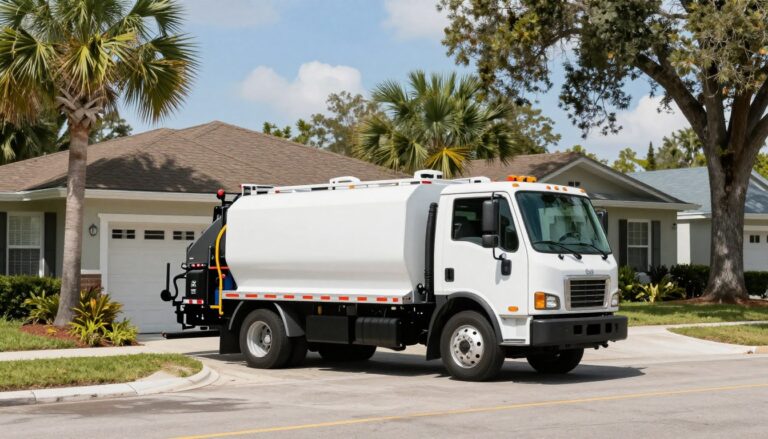
High-pressure cleaners are perfect for more serious blockages. They send water at high pressure through pipes to dislodge blockages. This is a powerful choice for deep cleaning, especially for outdoor pipes and sewer lines. These devices use water pressure to spray out the debris stuck in the pipes, clearing stubborn blockages.
Why choose a high-pressure cleaner?
This tool helps quickly address severe blockages. It’s also ideal for large-scale maintenance of outdoor pipes. High pressure can eliminate not only grease and debris but also tree roots that have infiltrated pipes.
Use cases and effectiveness
It’s particularly effective for removing tree roots and solid debris, which are hard to remove with other tools. If you have outdoor pipes or sewer lines that suffer from regular blockages, this tool is a wise choice. It can also deeply clean PVC or metal pipes.
Air compressor drain cleaners: a modern and fast solution
Air compressor drain cleaners use an air pulse to dislodge blockages. This tool is especially useful for unclogging pipes quickly without the need for chemicals. It works by generating a pulse of air inside the pipe, forcing debris out. It’s also fast and easy to use, perfect for emergency situations.
How does it work?
It works by sending a burst of air through the pipes to remove the blockages. This allows for effective unclogging without damaging the pipes. It’s ideal for minor blockages or for dislodging organic waste like hair.
Why adopt it?
It’s easy to use and perfect for moderate blockages in domestic pipes. It’s also more environmentally friendly than chemical products and helps you save time while being highly effective. It’s a practical and quick tool to solve light to moderate clogging issues.
Chemical products: when and how to use them safely
Chemical products can be effective in unclogging pipes, but they come with risks, especially for health and the environment. It’s important to use them carefully. While they are sometimes necessary for tough blockages, overuse can damage your pipes and pollute the environment.
Types of chemical products
There are products made with caustic soda, acid, or gel-based formulas. Each product is designed to dissolve grease, hair, or other organic debris. Some are more effective for dissolving grease, while others are meant to remove solid blockages.
Risks and safety precautions
Although effective, these products can damage pipes, especially if they are metal. It’s important to strictly follow the instructions and not use them too frequently. Chemical products can also be harmful to health, so be sure to wear gloves and safety glasses when handling them.
Choosing the right tool for your pipe problem
Every situation requires a specific tool. The tool choice depends on the blockage, the pipe size, and the pipe material.
Analyze the nature of the blockage
Before selecting a tool, it’s crucial to properly identify the type of blockage (grease, roots, solid debris, etc.). This will allow you to choose the most appropriate tool for your problem. For example, a hair clog will be easily solved with an auger, while a solid blockage will require a high-pressure cleaner.
Evaluate pipe size and depth
Narrow pipes require a more flexible tool, like an auger, while larger pipes can be effectively cleaned with a high-pressure cleaner. Evaluating the size of the pipe will help you determine which tool is best suited for the job.
Consider pipe material (PVC, Metal, etc.)
Your pipe material also affects the tool choice. Chemical products can damage metal pipes, while a manual auger is more suited for PVC pipes. Be mindful of the product specifications before use.
Regular pipe maintenance can prevent many costly problems. Choose the right tools, follow usage advice, and you’ll avoid many hassles. Whether you use an auger, a high-pressure cleaner, or modern air compression solutions, make sure you choose the tool that best suits the situation.