When it comes to equipping a kitchen or bathroom, the choice of faucets is often relegated to the background. However, these elements play a crucial role not only in daily comfort, but also in water and energy consumption. Opting for faucets that are both sustainable and economical allows you to make a gesture for the planet and preserve your budget in the long term. What are the criteria for choosing better?
Understanding the durability of a faucet
The durability of a faucet is mainly based on the quality of the materials, the reliability of the design, and the wear resistance.
The materials to favour
Brass is one of the most robust and most used materials. It is resistant to corrosion and has a very good longevity. Stainless steel is also an excellent option: hygienic, easy to clean, and rust resistant. Avoid cheap faucets made of plastic or poor quality alloys, which are quickly damaged and can leak over time.
The finishes
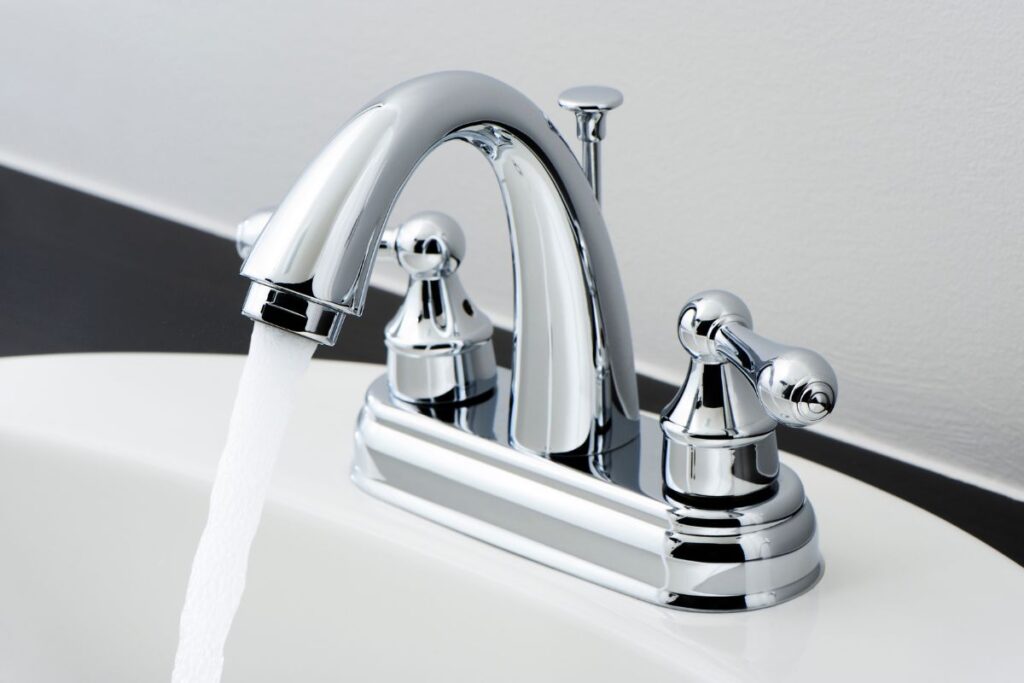
The finishes in chrome, brushed nickel or stainless steel are not only aesthetic. They also protect the tap from moisture, limescale and scratches.
Manufacturing technology
Opt for models equipped with ceramic cartridges, much more resistant than rubber seals. They ensure better sealing and precise control of flow and temperature.
Assess water and energy savings
An economical tap reduces water consumption without compromising the comfort of use.
The sparkers
These small devices integrated into the faucet spout mix air with water and thus reduce the flow. But at the same time they retain a feeling of a powerful jet. Some models save up to 50% of water.
Thermostatic mixers
They quickly stabilise the water temperature, which limits unnecessary adjustments and reduces hot water consumption. This represents significant energy savings, especially in large households.
Infrared sensors
Used mainly in public places, these taps are activated only when they detect hands. They avoid any waste and are very hygienic.
Labels and certifications
Look for products with environmental labels such as NF Water Saving or WaterSense (for North American products). The latter guarantee superior hydraulic efficiency.
You can read : Which water heater to choose: electric, gas, or heat pump?
Analyse the specific needs of your installation
The choice of the faucet also depends on its location and the use for which it is intended.
- Kitchen: Opt for a faucet with pull-out shower to facilitate the cleaning of vegetables and dishes. High-spout models make it easy to fill large pans.
- Bathroom: A classic mixer is usually enough for sinks. For bathtubs, prefer a model with a diverter to switch between faucet and hand shower.
- Wall or plan installation: Check the existing configuration of your plumbing before purchasing a model. Poor compatibility may result in additional installation fees.
Thus, the location is just as decisive for a wise choice.
Consider maintenance and repairability
A good faucet is also an easy-to-maintain faucet:
- Anti-limescale: Some brands offer models with integrated anti-limescale systems, useful in regions where the water is hard.
- Availability of spare parts: Choose a recognised brand that easily offers spare parts. This prolongs the life of the equipment without having to replace it completely in the event of a minor failure.
- Warranty: A multi-year warranty is often a sign of a manufacturer confident in the quality of its products. Prioritise brands with a at least 5-year warranty.
A good faucet must therefore facilitate its cleaning.
Compare value for money
The price should not be the only criterion. A cheap faucet can cost more in the long run if it requires frequent repairs or leads to overconsumption of water. For a profitable investment, you should opt for a quality model that costs between €70 and €200. This type of model will often last several years, even decades, with little maintenance. Also opt for smart offers that include accessories (hoses, filters, foamers) that save you from making additional purchases.